Why Choose Amber‑Yellow Lighting for These Special Applications?
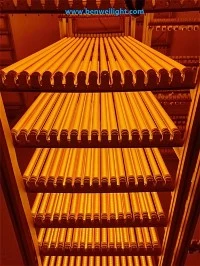
When talking about yellow‑toned lighting, most people think of warm‑yellow decorative lights for homes or shops. However, the 1788K amber‑yellow T8 LED tube is not a decorative ambient lamp. It is a special‑purpose functional light source. Although it emits yellow light visually, it is fundamentally different from common 3000K warm‑white T8 tubes. Ordinary warm‑white light contains large amounts of blue light, while amber‑yellow tubes filter most blue and ultraviolet rays. Its unique spectral characteristics solve practical production challenges across many industries. Below we focus on its real‑world industry applications.
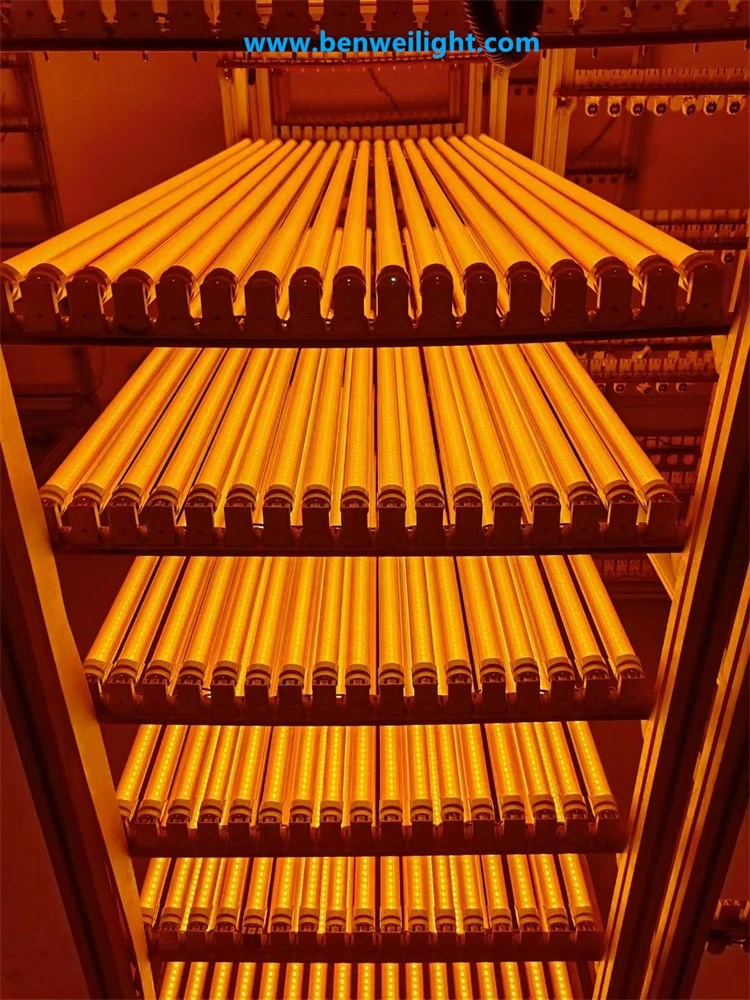
1. Suitable Application Scenarios for Amber‑Yellow T8 LED Tubes
1.1 PCB Plate‑making, Printing Film Darkrooms
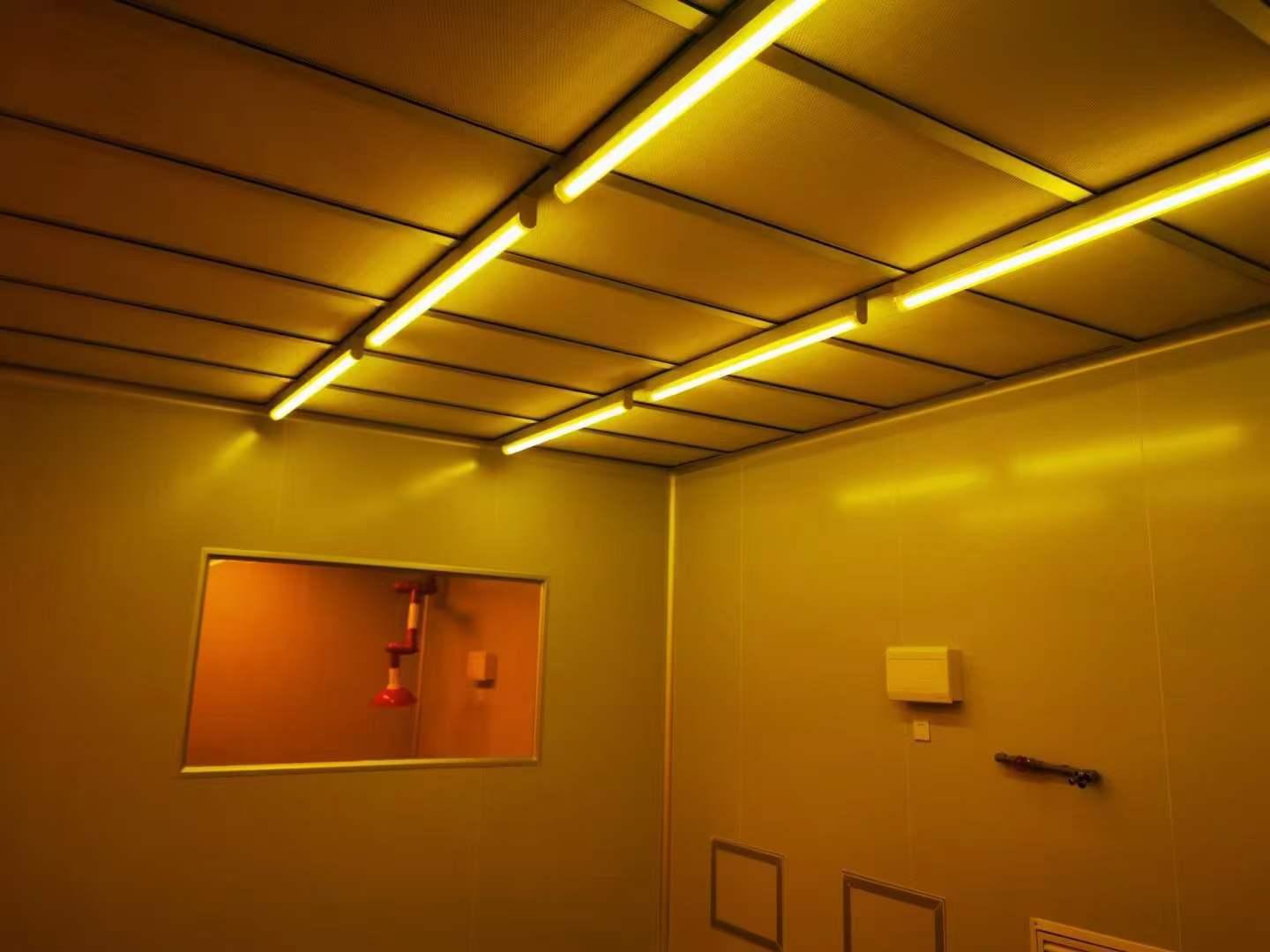
In PCB circuit‑board production and printing plate‑making workshops, photosensitive materials such as film and dry‑film are widely used. Once exposed to blue or ultraviolet light, these materials will be pre‑exposed, directly causing board scrap and higher production losses.
Workshops cannot stay completely dark. Operators need basic lighting to handle materials, inspect equipment and transfer goods. Amber‑yellow T8 tubes deliver light free of short‑wave radiation that damages photosensitive materials. They provide enough brightness for daily operations without triggering unintended exposure. They are a popular drop‑in replacement for older yellow fluorescent tubes.
1.2 Food‑processing Plants & Central Kitchens
Food‑processing workshops enforce strict pest‑control standards. Flying insects landing on food or packaging create major food‑safety risks.
Insects are mainly attracted by blue light and ultraviolet radiation. Thanks to its special spectrum, amber‑yellow light physically reduces insect attraction and aggregation. It lowers insect population indoors and reduces workload for insect traps. It is widely adopted in raw‑material sorting areas, packaging workshops and material aisles for food factories and central bakeries.
1.3 Livestock & Poultry Housing Lighting
Poultry houses require tailored lighting environments. Blue‑light stimulation should be avoided during certain breeding stages. Amber‑yellow T8 tubes create soft yellow lighting conditions, which can reduce poultry restlessness and feather pecking, lowering breeding losses. Featuring standard T8 G13 bases, these tubes are easy to install and can directly retrofit existing lighting fixtures in chicken and duck houses.
1.4 Photosensitive‑material Storage Rooms & Archive Passageways
Warehouses storing photosensitive chemicals or film raw materials must block ultraviolet and blue light to prevent material deterioration. For archive and ancient‑document storage aisles, amber‑yellow light reduces photo‑degradation of paper and fabrics caused by short‑wave light.
Note: These tubes are only for passageway lighting in storage rooms. They cannot replace professional museum display‑case light sources and shall not illuminate exhibits directly.
2. Unsuitable Scenarios - Avoid Wrong Product Selection
Amber‑yellow tubes are functional lights with clear application boundaries. Many customers purchase them simply because of their yellow appearance and end up with unsatisfactory on‑site performance.
- General‑office & regular factory workstation lighting: This light source has poor color‑rendering performance. Object colors appear heavily distorted. Long‑time working under this light interferes with visual judgment. It is not fit for regular manual‑operation workstations.
- Product‑inspection and color‑matching stations: True product colors cannot be reproduced. Using these tubes for color checking will lead to misjudgment and false quality inspection results.
- Retail display & residential indoor lighting: They are not designed for ambient decoration. Under amber‑yellow light, goods show distorted colors and poor visual presentation.
Important Reminder: Do NOT confuse 3000K ordinary warm‑white tubes with amber‑yellow tubes. Both look yellow to human eyes, yet regular warm‑white light still contains blue light and cannot prevent exposure or repel insects. Never select products based only on visual light color.
3. Practical On‑site Tips
- Deploy mainly for ambient background lighting and aisle lighting; do not use for color‑critical fine‑detail workstations.
- For retrofit projects, you can directly replace original T8 tubes without modifying existing lamp brackets for easy implementation.
- If your project requires both blue‑light‑blocking performance and acceptable color recognition, custom‑made light sources will be needed.
Conclusion: The core value of amber‑yellow T8 LED tubes lies in spectral protection rather than yellow‑colored appearance. They deliver full benefits only when matched with special working conditions. Misapplication will cause production and operational problems.
If your project covers PCB plate‑making workshops, food‑processing factories, poultry houses or photosensitive‑material storage rooms and you need amber‑yellow T8 LED tubes, please share your application scenario, tube length, voltage requirements and estimated order quantity. We can provide product‑selection guidance and project quotations for your reference.