Why is it so important that LED eye protection classroom lights meet health standards?
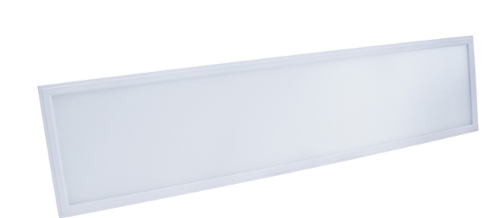
The quality of LED eye protection classroom lights directly affects students’ vision, so what standards should LED eye protection classroom lights meet? Let’s take a look now!
"Color rendering index" (abbreviated as CRI, an index that evaluates the ability of a light source to display the original color of an object is called color rendering index) is a lighting indicator that has received less attention. CRI is helpful to improve students' ability to recognize colors. The color rendering index of fluorescent lamps and poor-quality LED light sources is about 70, which means about 30% of the original color of the object is lost, and the color rendering ability of saturated red (R9) is generally low, or even negative. Long-term learning in such a classroom lighting environment will inevitably lead to the decline and decline of color recognition ability, weak color, poor color recognition ability, etc.
The learning efficiency of students is closely related to the color temperature (evaluation index of the color emitted by the light source): when the color temperature is lower than 4000K, the light is soft, and it is difficult for students to concentrate. When the color temperature is higher than 6000K, the light becomes white and it is easy to be excited and tired. Research shows that the color temperature of 5000K is more suitable for learning, and it is twice the result with half the effort for the efficiency of teachers and students.
Lamp efficiency is the percentage of the luminous flux emitted by the entire lamp to the luminous flux emitted by all the light sources of the lamp. It is one of the important parameters to measure whether a lamp is energy-saving. If the efficiency of the lighting in a full-eye classroom is higher, it means that the lighting can effectively use the luminous flux of the light source; on the contrary, the lower the efficiency, the more energy is wasted. Therefore, you should pay attention to reasonable matching when choosing, and reduce energy use while ensuring the comfort of children.