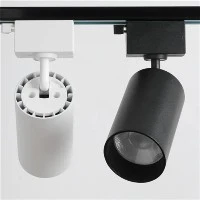
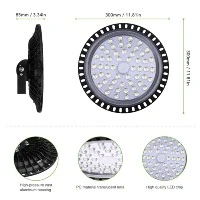
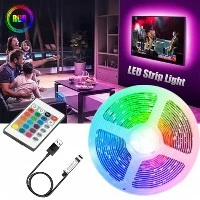
Using LED corn lights is one fast option to replace inefficient outdoor lighting with energy-efficient LEDs. These lights in the form of bulbs are made of hundreds of individual LEDs attached to heat-dissipating materials. They are known as 'corn lights' because of how resembling a corn cob the way the LEDs are attached to the central component are.
These bulbs are a popular option for retrofitting existing light fixtures since they are often more than 75% more efficient than metal halide lamps. Highway illumination, street lighting and sidewalk lighting are all excellent uses for corn lights. They are readily available and very simple to install in the majority of screw-in sockets. The corncob bulb is larger than the previous one, so make sure the light is the correct size for the installation. There must be a couple inches of space all around it.
Because of the huge surface area of its aluminium structure, a good corn lamp should be able to disperse heat on its own. Proper ventilation is needed for corn lights working in hot settings. Make sure to purchase lights designed for the temperatures and operating conditions you will be working in when purchasing these lights for your project.
Since LEDs consume less power than other types of lights and lower current, using them for temporary project needs is ideal. For those who utilise temporary site lights, this is crucial. Long strings of led temporary work lights, like those used during tunnel building, are often employed. Voltage loss from resistance may be rather high on these lengthy strings. Most builders will utilise heavy duty low resistance cables, which often have lower current draws, to make up for this voltage loss. Due to the use of lighter gauge wires made possible by the decreased current consumption, end users will pay less. Another significant advantage of LED lighting is that it enables staff to utilise longer light strings than previously possible.
Low voltage operation of LEDs is also possible with less power, allowing project managers to employ high lumen output with reduced voltage needs. While low voltage users have had access to incandescent lamps for a while, their high power consumption frequently puts projects at a serious disadvantage.
High current at low voltage results in high power, while high voltage drop over long cable lengths is caused by high current. People who used low voltage products in the past had to make up for this by using fewer bulbs or shorter strings than people who could use higher voltage products. With LEDs, low-voltage consumers now have a temporary lighting option that can match the brightness and string lengths of high-pressure incandescent bulbs.
Less power also translates into fewer kilowatt-hours being added to your account. For instance, a 100-watt incandescent bulb consumes 100 watts, compared to the 15 watts used by a standard 100-watt LED bulb. LEDs save the end user $0.70 per hour for a 1,000-foot string of lights with one bulb per 10 feet and a $0.07 per kWh power cost. The Restriction of dangerous Substances Directive does not apply to conventional lamp alternatives, which is interesting since many bulbs are created with dangerous and possibly deadly elements, such mercury. This requirement is often met by LED lighting, which keeps your project in compliance.
employing these LED temporary work lights will help you save tax in addition to the energy savings and safety enhancements that come with employing LED lights in your construction or temporary projects. Since it is now abundantly clear that LEDs have a significantly better environmental impact than conventional lights, many states are beginning to impose regulations that may eventually forbid other high-power lighting. While individual states are providing tax incentives for citizens and businesses to switch to LED lights, the federal government is also currently working to phase out incandescent and halogen lamps in the United States.
Anyone who wants to finish a project on schedule, within budget, and without any surprises must give top priority to having a well-lit jobsite. A better method to guarantee your employees finish jobs in a well-lit, accident-free workplace is to use led temporary work light for construction, mining, tenant improvement, or remodelling. No of the job, these LED lights will prove to be dependable, safe, and robust thanks to innovative technology and low-energy sources. Using LED lighting as a temporary site lighting source has several benefits. Keeping up with trends enables your construction site to do the work efficiently and securely. As usual, we advise working with a lighting professional for all of your lighting requirements.