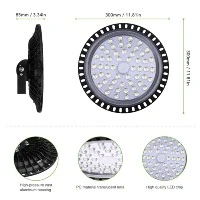
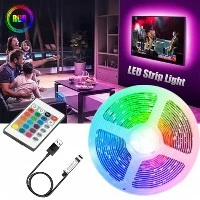
In recent years, LED lighting has grown in popularity because of its long lifespan and energy efficiency. Its potential to damage human eyesight has been questioned, though. By examining the several facets of LED lighting and its possible impacts on the eyes, we shall investigate this subject in this essay.
The problem of blue light emission is one of the primary issues with LED lighting and vision. Blue light, or high-energy visible (HEV) light, is emitted in large quantities by LEDs. Numerous possible eye issues have been linked to blue light. Long-term exposure to intense blue light can harm the retina photochemically. The interaction between the blue light photons and the retinal cells results in the generation of free radicals, which over time have the potential to harm the retinal tissue.
Digital eye strain, sometimes referred to as computer vision syndrome, is another possible problem. People are frequently exposed to blue light for extended periods of time due to the growing usage of LED-lit screens on gadgets like computers, tablets, and smartphones. Symptoms of digital eye strain include headaches, impaired vision, dry eyes, and eye fatigue. These symptoms can arise because blue light from LEDs might interfere with the eye's focusing mechanism's regular operation, making it harder for the eyes to adapt to varying distances.
Some LED lights have flicker, which might be an issue in addition to blue light. Even while flicker is minimized in current, high-quality LEDs, certain less expensive or badly designed LED devices may still exhibit significant flicker. Flicker can lead to headaches, eye strain, and in certain situations, migraines in sensitive people. The visual system is further taxed when the eyes are continuously attempting to adjust to the quickly shifting light levels brought on by flicker.
It's crucial to remember that not all LED illumination is bad for your eyes. These issues are now being addressed by a number of manufacturers. Certain LEDs, for instance, are made with unique coatings or filters that might lessen the quantity of blue light they generate. These "warm-white" LEDs are said to be more aesthetically pleasing than "cool-white" ones since they contain less blue light.
Furthermore, the possible hazards can be reduced by using and designing lighting appropriately. The impact on the eyes can be lessened by making sure the LED lighting is positioned at the proper height and angle and by providing enough ambient lighting in the space. Digital eye strain can also be avoided by using anti-glare screens on LED-backlit devices and taking frequent breaks while using screens for extended periods of time.
Research-wise, more long-term studies are still required to completely comprehend the cumulative effects on human eyesight, even if there is evidence of the potential harm caused by blue light and flicker from LEDs. The majority of recent studies have been carried out in lab environments or on animal models, and the practical applications may differ based on variables like individual variations in eye sensitivity and the general lighting conditions.
In conclusion, blue light emission and flicker are the primary reasons why LED lighting may be harmful to human eyesight. However, these risks can be greatly decreased with appropriate design, advancements in production, and responsible use. As buyers, we should be mindful of the possible problems, select high-quality LED products, and follow proper lighting and eye care practices. By doing these things, we may minimize the possible harm to our eyesight while still enjoying the advantages of energy-efficient LED lighting. More eye-friendly LED lighting options should become available in the future as technology develops, further protecting our eyes in the era of LED-dominated illumination.