Looking to Cut Light Pollution? Could Amber Lenses Be the Answer for LED Streets?
By Kevin Rao November 24,2025
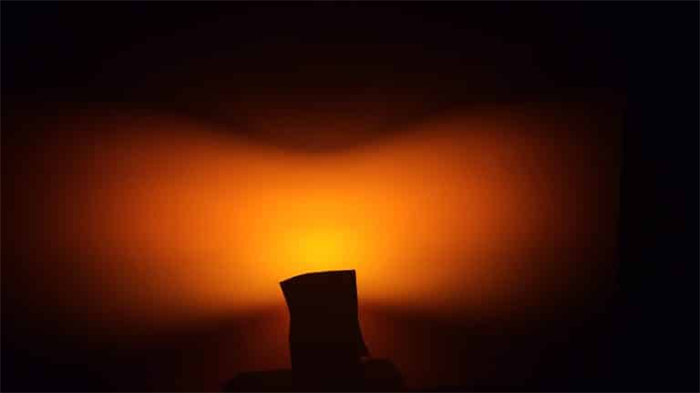
In the development of modern urban lighting, a crucial challenge the industry faces is how to provide efficient illumination while minimizing ecological impact. Benwei's innovative amber lens technology offers a groundbreaking solution, creating a more wildlife-friendly lighting environment through specialized optical design.
Optical Principles and Technological Breakthroughs
The core of amber lens technology lies in precise spectral control. Conventional white LEDs typically contain a high proportion of blue light (wavelengths 450-500nm), which is the spectrum most likely to disrupt the circadian rhythms of wildlife. According to a 2023 research report by the International Dark-Sky Association, blue light below 500nm can significantly interfere with the navigation, foraging, and reproductive behaviors of nocturnal animals【1】.
Benwei has developed amber lenses utilizing two distinct technological approaches:
Correlated Color Temperature (CCT) Conversion: This method transforms 4000K LED light into a warmer 3000K color temperature while strictly limiting blue light emission below 500nm to less than 1.25%. This approach significantly reduces ecological impact while maintaining lighting efficiency.
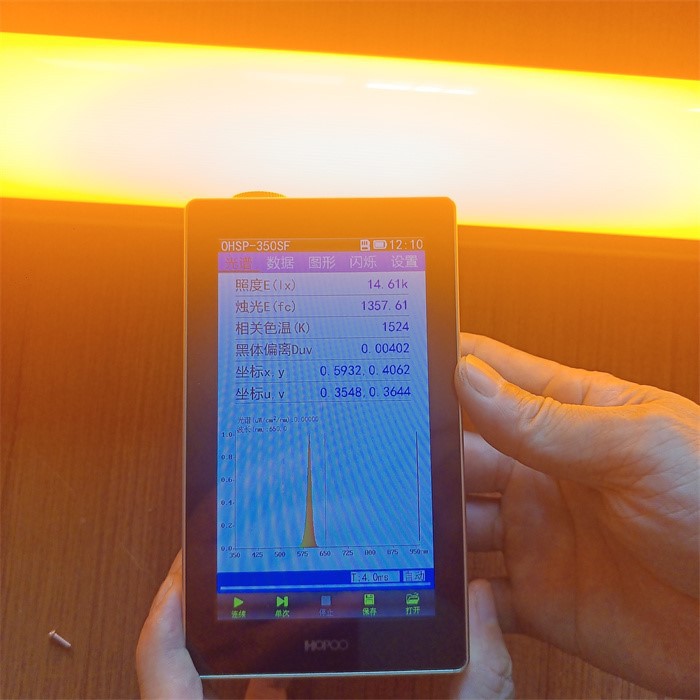
Pure Spectrum Technology: By precisely adjusting the spectral composition, the purity of 590nm amber light is enhanced to over 90%. This technology not only effectively minimizes ecological disruption but also significantly improves the Color Rendering Index (CRI), ensuring object colors appear natural and authentic even under amber light. Although this demands higher-quality LED chips, it delivers a superior visual experience.
Environmental Benefits and Ecological Protection
The eco-friendly attributes of amber lenses are demonstrated in several key areas:
Reduced Sky Glow: Well-designed LED optical systems, combined with amber lenses, ensure light is precisely directed to intended areas, minimizing upward-scattered light. Research indicates amber lighting can reduce sky glow pollution by up to 50%, creating better conditions for astronomical observation.
Wildlife Protection: The visual systems of sea turtles, migratory birds, and many nocturnal mammals are particularly sensitive to short-wavelength blue light. A 2024 study by the National Wildlife Federation highlighted that using amber lighting with wavelengths above 560nm can significantly reduce disorientation in sea turtle hatchlings, increasing their survival rate by over 30%【2】.
Diverse Application Scenarios
Historic Districts and Cultural Heritage Sites
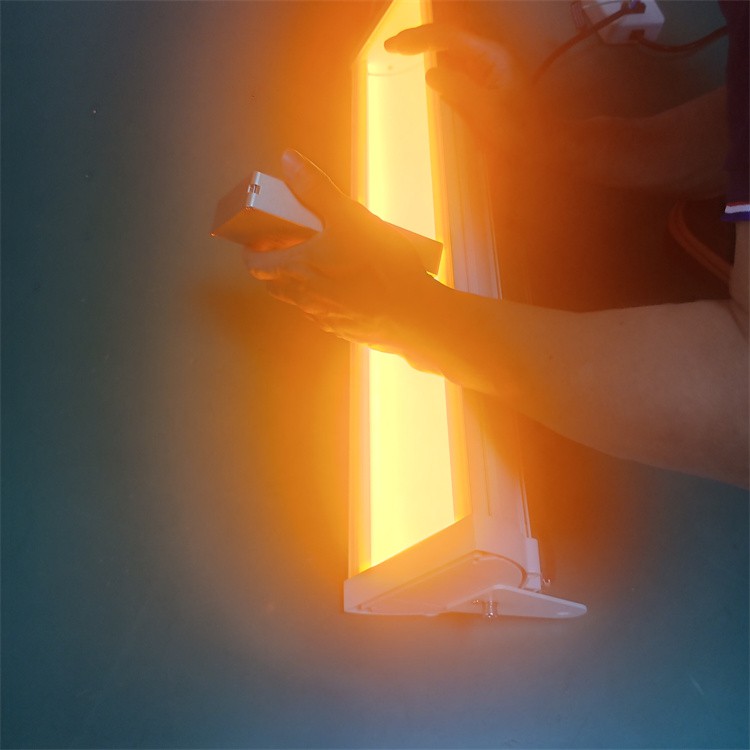
In ancient town conservation areas and historic building complexes, the amber-orange lens perfectly replicates the warm hue of traditional sodium-vapor lights, harmonizing with the historical ambiance. It simultaneously meets modern standards for energy efficiency and longevity, achieving a balance between preservation and innovation.
Nature Reserves and Ecologically Sensitive Areas
Implementing amber-yellow technology for road lighting around national parks and wildlife reserves minimizes disruption to local ecosystems. This lighting solution is particularly crucial in sensitive areas such as sea turtle nesting beaches and bird migration paths.
Urban Residential Areas and Coastal Zones
Using amber lighting in residential streetlights helps create a comfortable nighttime environment while reducing sleep disturbance for residents. Lighting in coastal areas protects the normal biological activities of marine life.
Technical Parameters and Performance Comparison
| Parameter | Traditional White LED | Amber-Yellow Lens LED | Amber-Orange Lens LED |
|---|---|---|---|
| CCT Range | 4000-5000K | ~3000K | 1900-2200K |
| Blue Light Ratio (<500nm) | 15-25% | <1.25% | <0.5% |
| Typical CRI | 70-80 | 70-75 | 80-90 (Pure Spectrum Type) |
| Impact on Wildlife | Higher | Significantly Reduced | Very Low |
| Efficiency Comparison | Baseline | 5-8% Lower | 10-15% Lower |

Future Outlook
As public understanding of light pollution deepens and ecological conservation awareness grows, environmentally friendly lighting is becoming an inevitable choice for urban development. Benwei's amber lens technology represents a significant advancement in this direction, fulfilling our responsibility to the natural environment through innovative optical design while ensuring functional lighting performance.
Amber light Solar Street Light

FAQ (Frequently Asked Questions)
Q1: Are amber lenses suitable for retrofitting existing streetlights?
A1: Amber lenses are compatible with most mainstream LED streetlight structures and are particularly suited for the full range of Benwei roadway lighting products. For other brands, we offer customized solutions, subject to evaluating the original fixture's optical structure.
Q2: Will illuminance drop significantly after installing amber lenses?
A2: There is a slight reduction in luminous efficacy (approximately 5-15%), but this can be compensated for through optimized optical design. We recommend considering this factor during the planning stage and potentially increasing luminaire density if necessary.
Q3: Is amber lighting suitable for all road types?
A3: It is particularly well-suited for residential areas, park pathways, historic city centers, and ecologically sensitive zones. For high-brightness applications like highways, a professional lighting design assessment is recommended.
Q4: Are there international standards supporting this lighting solution?
A4: Yes. The International Dark-Sky Association (IDA) has published relevant guidelines. Furthermore, regions like the state of Florida in the USA have legislated the use of wildlife-friendly amber lighting in coastal areas.
Reference Sources:
【1】International Dark-Sky Association. (2023). Artificial Light at Night: Effects on Wildlife and Ecosystems.
【2】National Wildlife Federation. (2024). Coastal Lighting Guidelines for Sea Turtle Conservation.