Are LED Lights Worth It? Comparing the Cost of LED Bulbs to Their Benefits
Does the cost of LED bulbs justify the energy savings they provide?
The short answer: Compared to incandescent bulbs, the cost of LED bulbs is absolutely worth it. In terms of light output efficiency per watt (W) of input, LEDs are approximately six times more efficient than incandescent bulbs. If you have incandescent bulbs in your home that remain lit for extended periods, you should consider replacing them with LED bulbs immediately.
For example: A 65W incandescent bulb can be replaced by an equivalent LED bulb consuming only 11W-just 17% of the original bulb's wattage-at a cost of approximately $3. If you use this bulb for 5 hours a day, you save 54W (65W – 11W) over that 5-hour period. This amounts to 270 watt-hours, or 0.270 kilowatt-hours (kWh). Based on an average U.S. electricity rate of $0.10/kWh, this means a single bulb can save you 2.7 cents per day.
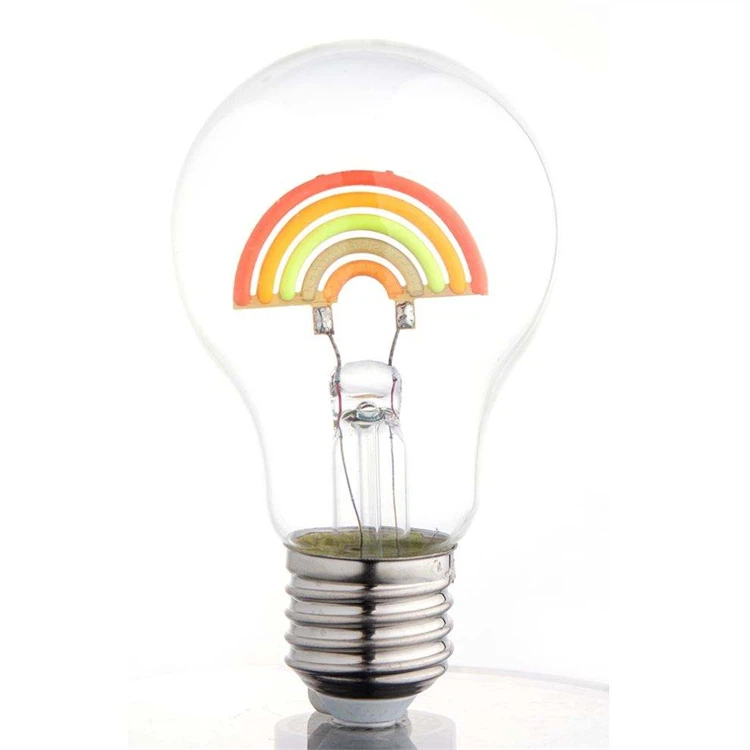
2.7 cents may not seem like much, but if you multiply that by 365 days per year, the annual savings reach $9.86-more than three times the $3 cost of the LED bulb itself. If you replace 10 such bulbs, you can save approximately $98.60 annually; moreover, these savings continue for many years, as the theoretical lifespan of an LED bulb is 10 times that of an incandescent bulb.
In just five years, LED lighting can save nearly $500 in energy costs. Given a price of $30 for a set of 10 LED bulbs, the upfront investment proves to be quite a bargain.Compared to compact fluorescent lamps (CFLs), the energy savings offered by LEDs are less dramatic-amounting to a reduction of only about 5 watts per bulb. Replacing a CFL with an LED bulb (assuming 5 hours of daily use) saves approximately 10 kWh of electricity per year, translating to a direct energy cost saving of about one dollar.
Additional Benefits of Basic and Smart LED Bulbs
Beyond direct energy savings, LED bulbs offer numerous other advantages. Basic LED bulbs illuminate instantly and generate significantly less heat compared to incandescent bulbs or compact fluorescent lamps (CFLs). Generating less heat translates to further energy savings in hot climates, as you avoid the need to expend energy via air conditioning to extract this excess heat from your living space.
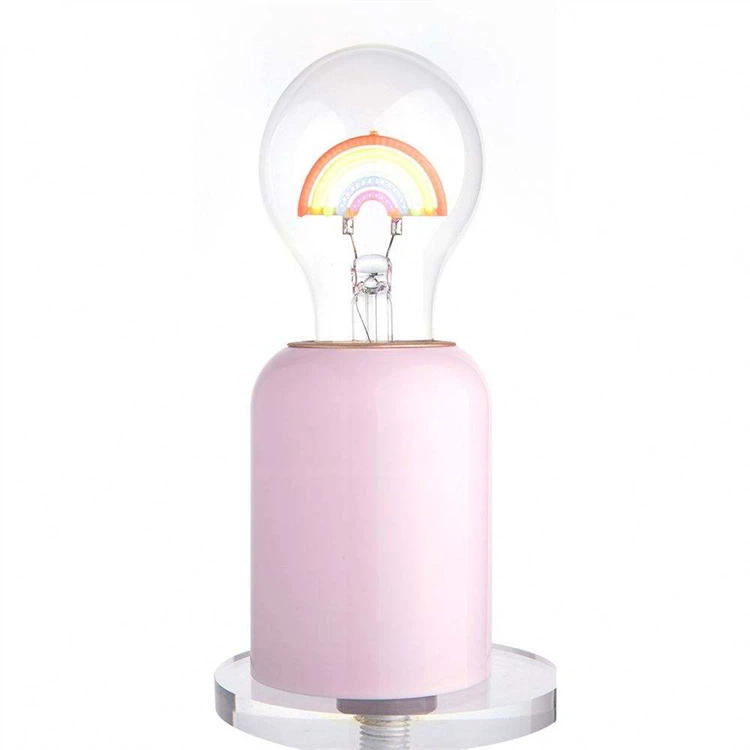
The instant-on capability of LED lights may also help reduce the hesitation-often associated with CFL bulbs due to their potential for shortened lifespans and required warm-up periods-to simply turn off the lights when not needed.
Furthermore, thanks to their long operational lifespans, LED lights do not require replacement as frequently as other types of light bulbs. While this may seem like a minor convenience from a personal standpoint, for industrial or commercial settings-where maintenance staff are billed by the hour-it translates into tangible cost savings.
LED lighting can be imbued with a degree of "intelligence." In simpler applications, smart bulbs can feature built-in motion sensors that automatically activate when someone enters the room, or light sensors that switch the bulb on only when ambient outdoor light begins to dim. Taking this a step further, many bulbs now feature built-in wireless connectivity and support adjustable brightness and color settings, allowing them to integrate seamlessly into home automation systems and offer a realm of nearly limitless possibilities.
Are the Benefits of LED Lighting Worth It?
Whether viewed from a purely economic perspective or in light of their potential for added functionality, both basic and smart LED bulbs offer a multitude of advantages. These improvements make LED bulbs a worthwhile investment for almost anyone-a choice that can ultimately help you save money.