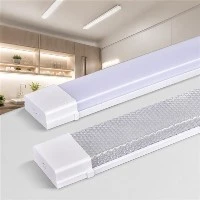
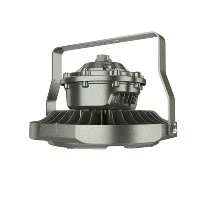
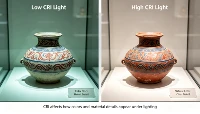
Imagine that you are having a gaming night with your buddies. You have the dice and are about to roll the ideal number when all of a sudden the lights go out. Your pals depart early because your celebration is spoiled. You check the circuit breaker and find that all of your light bulbs are dead. Is this situation even conceivable, though? We shall investigate if LED lights can really burn out in this post.
Burn-out of LED Lights
Your celebration was ruined, and now you have to go to the shop to purchase new light bulbs on top of that. The cycle will then resume and they will eventually burn out once again. But it's not need to. Imagine never again changing your light bulbs.
Despite seeming like science fiction, this is a possibility thanks to LED lighting. What are LED lights, and what major benefits do they offer? Continue reading to see how the LED light bulb will make your next gathering a huge success.
What is an LED?
Light-emitting diode, or LED. This essentially indicates that the bulb is built differently from other, more traditional bulbs. A tiny wire filament inside of incandescent bulbs heats up until it becomes so hot that it begins to glow. A tungsten wire is burned into a gas to produce a halogen light, which heats the bulb.
In compact fluorescent lighting, a long gas-filled tube is electrically charged to produce light. But with an LED, a chip that is managed by a driver and other electrical parts produces the light.
Why is an LED Different?
The fact that LED light bulbs don't generate nearly as much heat as incandescent ones is one of its finest qualities. Even while the bulb generates some heat when it is energized, it is far less than an incandescent bulb. Any heat that the light bulb does emit is sent via a heat sink, which absorbs it and disperses it uniformly across the whole bulb, keeping it significantly cooler.
Are LED Light Bulbs Efficient?
Compared to other kinds of light bulbs, LED lights are particularly efficient. One of an LED bulb's most crucial aspects is its efficiency. These bulbs will cost the customer substantially less over the course of the bulb's lifespan since they are significantly more efficient. Because a more efficient light will consume less power, which results in less wear and tear on the bulb, this efficiency is also directly related to the lifespan of the bulbs.
How Long Do LED Light Bulbs Last?
The fact that LED light bulbs use a great deal less energy than halogen or incandescent bulbs is another big benefit of using them. The bulb will last longer than other bulbs since the LEDs get less current than conventional bulbs do. Depending on how often they are used, LED lights are intended to last between 10-15 years.
Do LED Lights Dim with Age?
Yes. LED lights will gradually lose some of their brightness. They will do this since the bulb's parts will eventually deteriorate and begin to perform less effectively. The bulb will start to emit less light as its internal components begin to deteriorate.
What is the Expected Life of an LED?
An LED bulb's lifespan is expressed in hours of operation. One thousand hours is the lifespan of certain light bulbs, such as the incandescent bulb. The lifespan of many LEDs is close to 50,000 hours. The lifespan of an LED light is not calculated until it burns out, which distinguishes it from the lifetime of an incandescent bulb.
Instead, it is monitored until the amount of light produced is around 30% less. An LED light would thus need to stay on for about 150,000 hours—roughly 33 years—to work until it stopped shining altogether. While it is not advised, it is possible for bulbs to stay unaltered for that long.
Do LED Lights Burn out?
This is a typical query from customers, but you're in luck LED lighting never burns out. The fact that this cannot happen is much greater. Because LED lights don't require heat as incandescent bulbs do, they can't burn out or lose their gas or wiring.
There are no components in the LED bulb that are intended to burn up since the LED's microprocessor generates a little amount of heat that is removed by the heat sink. As previously said, the LED bulb will eventually dim, but it will take a lot longer than it would with other kinds of bulbs.
Can LED Lights Become Faulty?
Even though LED lights cannot burn out, there are a few very small risks that they might develop defects. While it is uncommon for an LED to become defective, other electrical parts might eventually fail. Then you must swap out the fixture or bulb.
How to Dispose of LED Light Bulbs?
When it does become necessary to replace an LED bulb, it is crucial to contact the neighborhood recycling and garbage management services. Parts of the LED light can be recycled in certain places, but in other places, the LEDs will be disposed of just like regular rubbish. If the business does not provide its contact information to the person directly, the municipality will be able to give you the information.
Conclusion
Imagine inviting some pals around to play some games. When it is your turn to roll the dice this time, you strike the ideal number, causing your piece to go to home base and help you win the game. Yes, you had to go to the shop to get new light bulbs, but because you bought LED light bulbs, you know that you won't have to worry if they suddenly burn out when you have game evenings.

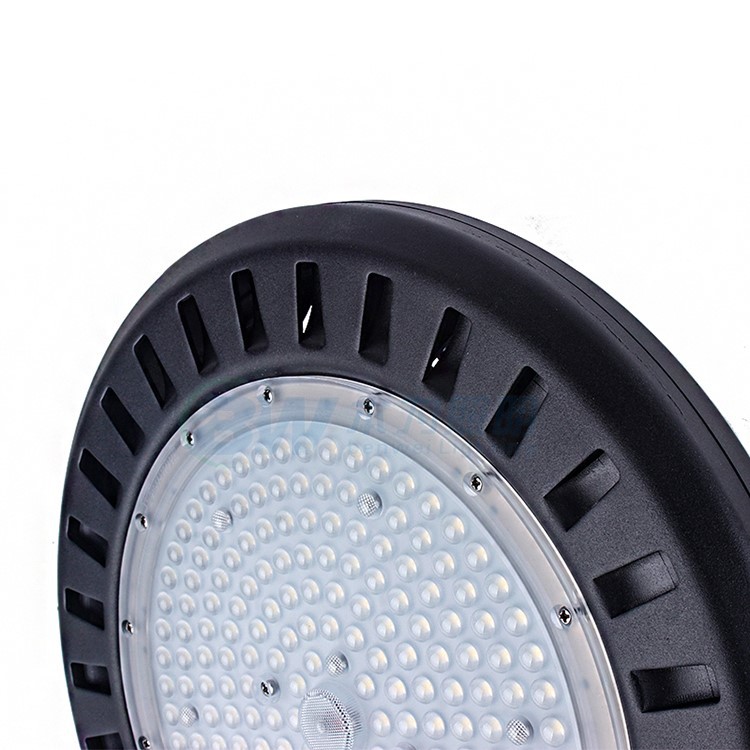

Benwei warehouse led lights:
|
Model |
BW-002-S100W |
BW-002-S150W |
BW-002-S200W |
|
Power(W) |
100W |
150W |
200W |
|
Light Source |
SMD |
||
|
Input Voltage |
AC220-240V/ AC100-305V / 480v 50/60Hz |
||
|
Material |
Aluminum+PC |
||
|
Beam Angle |
60°/90°/120° |
||
|
IP Rating |
IP65 |
||
|
CCT |
3000K / 4000K / 6000K |
||
|
CRI |
Ra>80 |
||