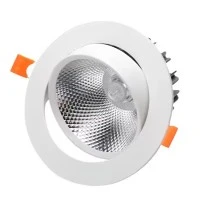
When choosing downlights, many clients don't ask about brightness or color temperature first. Instead, they ask: "My ceiling is made of gypsum board-can I install them?" or "Will drilling holes in a wooden ceiling cause any issues?"
The short answer is: most circular recessed downlights can be installed in various ceilings, though the specific requirements differ for each type. A proper installation ensures the fixture is secure, dissipates heat effectively, and looks neat. An improper installation, however, can lead to loose fixtures or cracked edges around the cutout-and in more serious cases, it can even shorten the lifespan of the light. This article breaks down the key installation points for three common types of ceilings.
How Recessed Downlights Are Installed
Regardless of the ceiling material, the method for securing circular recessed downlights is generally the same:
Cutting the hole: A circular hole is cut into the ceiling based on the fixture's required cutout dimensions.
Spring-clip fixation: The fixture is equipped with spring clips on either side. Once inserted into the hole, these clips expand upward, gripping the back of the ceiling panel.
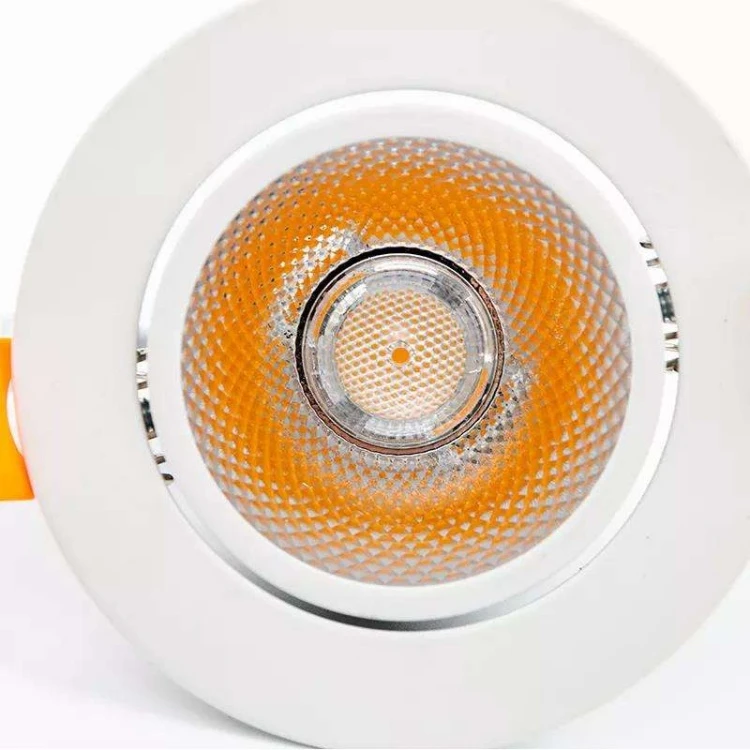
Trim/Bezel coverage: The outer rim of the fixture is slightly larger than the cutout, allowing it to conceal the edges of the hole.
Ultimately, whether a downlight can be installed securely depends on whether the ceiling is thick and sturdy enough for the spring clips to grip it firmly.
Gypsum Board Ceilings: The Most Common and Hassle-Free Option
Gypsum board is the ideal material for recessed downlights.
Thickness: Typically ranging from 9mm to 15mm, this thickness falls perfectly within the clamping range of most downlight spring clips.
Cutting the hole: You can simply use a hole saw; it produces clean edges and allows for precise control over the hole diameter.
Point 1: Ensure the cutout size is accurate. If the hole is too large, the trim won't cover the edges; if it's too small, the fixture won't fit, and forcing it in could crack the surrounding material.
Point 2: Consider the weight of the fixture. Gypsum board has limited load-bearing capacity. Standard LED downlights are lightweight and generally pose no issue; however, for larger, high-power models, it is advisable to choose versions that feature reinforced mounting structures.
Point 3: Check for insulation material within the ceiling cavity. Ensure that insulation does not come into direct contact with the light fixture; leave sufficient space for heat dissipation.
Wooden Ceilings: Consider Thickness and Heat Dissipation
Wooden ceilings (such as those using wood veneer panels, solid wood boards, or plywood) are suitable for recessed lighting, but they require two additional considerations compared to gypsum board ceilings:
Thickness: Verify that the ceiling thickness falls within the range supported by the fixture's spring clips. If a wooden panel is too thick, the spring clips may not be able to grip it securely, causing the fixture to become loose. Always check the "applicable ceiling thickness" specified in the product's technical parameters before installation.
Heat Dissipation and Fire Safety: Wood is a combustible material. Although LED lights generate relatively little heat, space must still be provided behind the fixture for heat dissipation. Prioritize products with reliable build quality and effective temperature control.
Edge Finishing: After cutting a hole in a wooden panel, the edges may have burrs that prevent the fixture's trim ring from sitting flush against the surface. Sanding the edges ensures a smooth, level fit.
Avoid Joists: Ensure that the cutout locations do not coincide with the ceiling joists (framework), as this would make it impossible to install the fixture. Plan the lighting layout to avoid these structural elements.
Suspended Ceilings (Mineral Fiber Boards, Aluminum Panels, etc.): Focus on Load-Bearing Capacity
This category primarily refers to suspended ceiling systems commonly found in offices and retail spaces, such as mineral fiber board ceilings or aluminum panel ceilings.
Mineral Fiber Boards: These materials are relatively soft and brittle. Spring clips on downlights may not hold firmly, creating a risk that the fixture could sag or fall over time. In such cases, it is advisable to use additional suspension wires or support brackets to secure the fixture.
Aluminum Panels: These panels are thin and rigid. Cutting them requires specialized tools, and any burrs along the edges must be removed-otherwise, they may detract from the appearance or even damage electrical wiring.
Avoid Placing the Fixture's Weight on the Panels: Suspended ceiling panels have limited load-bearing capacity. Opt for lightweight fixtures, or ensure the lights are independently secured to the ceiling framework (joists/grid).
Wiring Space: There is typically ample space within a suspended ceiling cavity. Ensure that LED drivers and junction boxes are organized neatly rather than left hanging haphazardly from the ceiling panels.
Key Parameters to Check Before Selecting Downlights
While downlights can be installed in various types of ceilings, it is best to verify the following specifications before placing an order to ensure they can be installed correctly upon arrival:
Cutout Size: Must match the actual opening or the pre-cut hole in the ceiling.
Compatible Ceiling Thickness: Ensure the spring clips can securely grip the thickness of the ceiling material.
Installation Depth: Confirm that the space above the ceiling is sufficient to accommodate the light fixture and its driver.
Fixture Weight: Must be within the load-bearing capacity of the ceiling.
Fire and Ingress Protection (IP) Ratings: For damp areas (such as kitchens or bathrooms), choose models with an appropriate IP rating.
Summary
Returning to the initial question: Can circular recessed downlights be installed in gypsum board, wood, or suspended ceilings? Yes, they can-though each type requires specific considerations:
Gypsum Board: Highly compatible; simply ensure the cutout size is accurate.
Wood Ceilings: Pay attention to the thickness of the material and ensure adequate heat dissipation for the fixture.
Suspended Ceilings: Focus on load-bearing and secure mounting; for mineral wool ceiling tiles, additional support is recommended.
By getting the size right, verifying the thickness, and ensuring sufficient space, you can avoid most installation issues.
Need Selection Advice or a Quote?
If you are sourcing downlights for a residential, hotel, retail, or office project, please contact us. Simply provide details regarding your ceiling type, cutout dimensions, and the quantity required, and we will promptly offer a selection proposal and a price quote.