How Does LED Lighting Enhance Learning Environments?
LED lighting technology has transformed educational spaces, offering benefits that extend from gyms and sports fields to offices and classrooms. By significantly improving light quality, LED solutions enhance the well-being and performance of both students and teachers, contributing to the overall image of the school as a modern, safe, and high-quality learning institution.
Here's how LED classroom lighting is making a difference in education.
The Impact of Classroom Lighting on Learning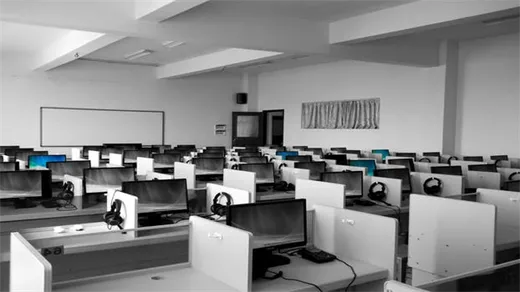
Research published in the Journal of Environmental Psychology indicates that lighting can either support or hinder learning. The study revealed that in 80% of classrooms equipped with 100Hz fluorescent lighting, students experienced headaches and visual impairment. These traditional lighting systems often produce glare and flicker, which distract students and reduce their ability to concentrate.
In contrast, LED lighting closely mimics natural daylight and eliminates common issues like flickering and harsh glare. Natural light is considered ideal for learning environments, and studies have shown that artificial lighting which replicates it can boost concentration and academic performance among students.
LED Lighting in Practice: Safety, Performance, and Perception
LED lighting does more than just improve visibility-it also helps create a safer and more engaging campus environment. In 2017, a Department of Energy trial in three Texas classrooms equipped with tunable LED systems found that teachers reported a noticeable improvement in the learning atmosphere.
Indoor and outdoor LED lighting ensures clear, consistent illumination day and night, making it ideal not only for classrooms but also for extracurricular activities and sports. A well-lit campus enhances security and ensures that students feel safe whether they are attending classes, participating in after-school programs, or exiting the building after dark.

Designing Optimal Classroom Lighting with Photometric Analysis
To determine the best lighting solutions for educational settings, we recently conducted a photometric study of a standard 30 ft by 28 ft classroom. Using IES simulation files that account for beam angle, color temperature (Kelvin), lumen output, and other fixture characteristics, we assessed whether proposed lighting layouts would meet recommended standards.
The study used foot-candles (FC) to measure light intensity on surfaces. Ideal task lighting-such as that needed for reading and writing-typically requires 35 to 40 FC at desk level. The classroom in question currently suffers from highly uneven light distribution, with FC values ranging from 8 to nearly 100. This inconsistency often leads teachers to turn off the lights entirely on sunny days, resulting in both poorly lit and overly bright areas that hinder the learning experience.
Why LED Is the Optimal Choice for Classrooms
Based on our analysis, LED lighting offers a tailored solution that delivers uniform, high-quality light while reducing energy consumption. In the classroom studied, the proposed LED system not only improved illumination quality but also lowered the connected electrical load by 60%. Additional energy savings can be achieved when lights are dimmed to appropriate levels.
Beyond energy efficiency, LED systems offer better light control, reduced maintenance, and a healthier learning environment-free of flicker and glare-that helps students stay focused and comfortable.

Conclusion
LED classroom lighting represents more than an upgrade in technology; it's an investment in student well-being and academic success. With benefits ranging from enhanced concentration and safety to major energy savings, LEDs are helping schools build better learning environments-one classroom at a time.