Harnessing LED Light for Fruit and Vegetable Preservation
In the global fresh produce industry, maintaining the quality and extending the shelf life of fruits and vegetables post-harvest remains a significant challenge. Traditional preservation methods, such as chemical treatments and refrigeration, often come with limitations including safety concerns, high costs, and operational complexity. In recent years, LED light modulation technology has emerged as a green, efficient, and innovative solution for post-harvest preservation, attracting widespread attention from researchers and industry stakeholders.

The Science Behind LED Light Modulation
LED light modulation involves the use of specific light spectra-including blue, red, white, and composite lights-to influence the physiological and biochemical processes in fruits and vegetables. By adjusting light quality, intensity, and exposure duration, this technology can delay senescence, enhance nutritional value, and inhibit microbial growth without the use of chemicals.
Key Benefits of LED Light Treatment
1. Enhanced Appearance and Color Retention
The visual appeal of fruits and vegetables is a critical factor in consumer purchasing decisions. LED lighting has been shown to regulate the synthesis and degradation of pigments such as chlorophyll, anthocyanins, and carotenoids.
Red and white LED lights have been effective in maintaining chlorophyll levels in broccoli and pak choi, delaying yellowing and preserving green vitality [16, 18].
Blue light promotes anthocyanin accumulation in strawberries and blueberries, enhancing their red and purple hues [27, 39].
In some cases, red and blue composite light has been shown to maintain firmness in tomatoes and blueberries, extending their marketable life [20, 21].
2. Improved Nutritional Quality
LED irradiation can positively influence the metabolic pathways responsible for nutrient synthesis and preservation.
Sugars and Soluble Solids: Blue and green LED lights have been found to increase total soluble sugar content in strawberries and blueberries, enhancing sweetness and sensory quality [27, 30].
Proteins and Amino Acids: Blue-white composite light significantly boosted amino acid content in green onions, while red light maintained protein levels in broccoli [15, 37].
Vitamins and Antioxidants:
Red-blue composite light increased vitamin C content in broccoli by 1.28 times compared to dark storage [57].
Blue light also enhanced phenolic compounds in strawberries and cabbage, improving their antioxidant capacity [8, 27].
3. Strengthened Antioxidant Systems
LED light treatment activates antioxidant enzymes and enhances the synthesis of non-enzyme antioxidants, which help combat oxidative stress and slow down aging.
Red light irradiation increased the activity of POD, CAT, and APX enzymes in broccoli and grapes, reducing oxidative damage [66, 67].
Blue-white LED light elevated SOD and POD activities in green onions, further boosting their antioxidant potential [37].
4. Enhanced Disease Resistance
LED light not only directly inhibits microbial growth but also induces systemic resistance in produce.
Blue light (405–470 nm) has shown strong antibacterial effects against pathogens like E. coli, Listeria, and Penicillium on mangoes and apples [73, 74].
It also activates defense-related genes in cherry tomatoes and grapes, reducing the incidence of gray mold and other fungal infections [75, 76].

Practical Applications and Commercial Potential
The non-thermal, chemical-free, and energy-efficient nature of LED light modulation makes it ideal for integration into modern supply chains-especially in cold storage, packaging, and transport. Combining LED technology with modified atmosphere packaging or cold chain logistics has shown synergistic effects in preserving quality and reducing losses.
A Leading Solution from Shenzhen Benwei Lighting
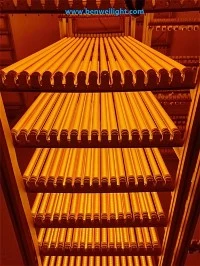
For businesses seeking reliable and advanced LED lighting solutions for agricultural and post-harvest applications, Benwei Lighting from Shenzhen, China, offers a range of specialized products designed to meet these needs. Their LED systems are tailored to provide optimal light spectra for enhancing fruit and vegetable preservation, ensuring longer shelf life and better quality.
Contact Benwei Lighting today to learn more about their innovative LED solutions:
Email: bwzm15@benweilighting.com
Website: http://www.benweilight.com/
Conclusion
LED light modulation represents a forward-thinking approach to post-harvest preservation-one that aligns with global trends toward sustainability and food safety. Supported by robust scientific evidence and practical benefits, this technology is poised to play a pivotal role in the future of food preservation. Companies like Benwei Lighting are at the forefront, providing the tools needed to bring this innovation to market.
References
[8] Lee et al., 2014; [14] Hasperué et al., 2016; [15] Liu et al., 2022; [16] Zhou et al., 2020; [18] Song et al., 2020; [20] Meiramkulova et al., 2023; [21] Li et al., 2024; [27] Xu et al., 2014; [30] Taulavuori et al., 2017; [37] Gao et al., 2022; [39] Shi et al., 2014; [57] Wang et al., 2017; [66] Jiang et al., 2019; [67] Nassarawa et al., 2022; [73] Kim et al., 2017; [74] Zhu et al., 2023; [75] Sun et al., 2024; [76] Huo et al., 2024.
https://www.benweilight.com/lighting-tube-bulb/grow-lamp-for-plants.html
Shenzhen Benwei Lighting Technology Co., Ltd.
Mobile (+86) 18673599565
WhatsApp: 19113306783
Email: bwzm15@benweilighting.com
Web: www.benweilight.com