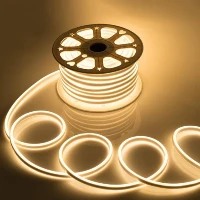
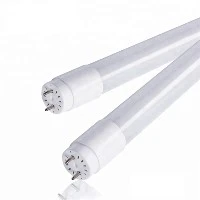
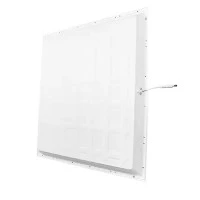
How can farms leverage LED lighting to boost breeding profits?
In large-scale livestock and poultry farming, light is an environmental factor as critical as feed and ventilation. Many farmers focus only on feeding and disease prevention, ignoring that lighting solutions directly affect poultry feeding, growth and laying performance. Traditional incandescent lamps and ordinary fluorescent lamps consume high power, are prone to damage and deliver unstable light, which easily causes stress in poultry. Professional breeding LED lights can adjust light intensity, spectrum and photoperiod to match the needs of poultry at different growth stages, helping farms stabilize production capacity and cut overall operating costs.
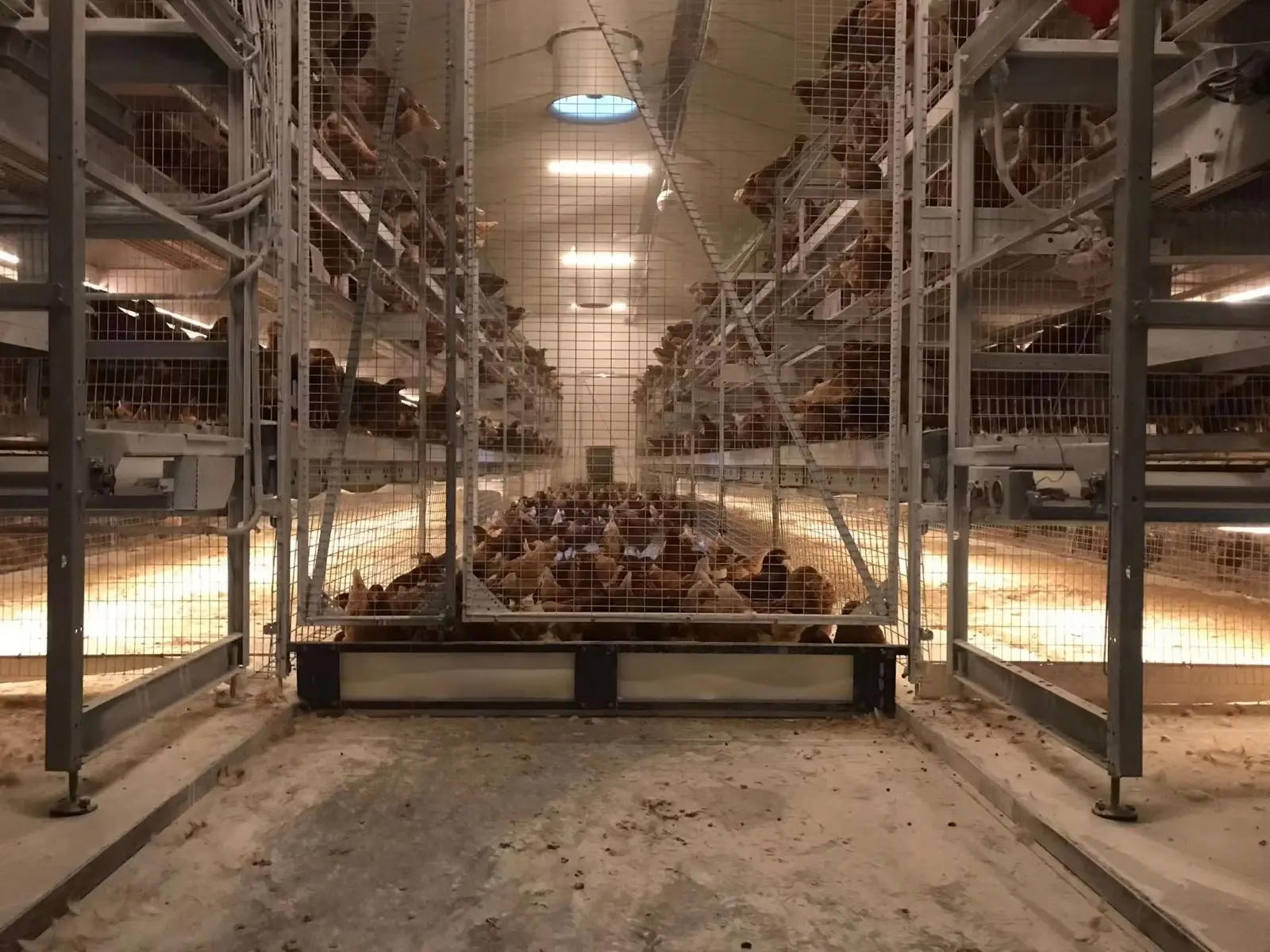
I. Practical application of LED lighting in farms across different growth stages
1. Brooding stage: Guide feeding and improve survival rate
Newly hatched chicks have weak eyesight. Sufficient and even light helps chicks find drinking water and feed, improving first feeding rate.
- Adopt neutral white light (3900–4200K) with soft light to avoid burning chicks with strong light;
- 180° wide beam angle ensures even light distribution in the house and reduces weak chicks in corners;
- Dimmable function: High illuminance in the early stage, gradually dim the light as the chicks grow, to achieve smooth transition and reduce restlessness of chicks.
2. Rearing stage: Light control prevents premature sexual maturity and ensures bone development
The core of light management during rearing is to control light intensity and duration, preventing premature sexual maturity of poultry to avoid egg fatigue and prolapse in the later laying period.
- Reduce light intensity and use flicker-free LED light. Poultry are far more sensitive to flicker than humans; flicker will trigger feather pecking and cannibalism.
- Maintain stable constant light without sudden brightness changes, so poultry grow quietly and build up energy reserves for egg production.
3. Laying stage: Spectrum adjustment stabilizes egg production rate
Lighting solutions in the laying period directly affect the length of the laying cycle, egg weight and broken egg rate, which is a key point for breeding efficiency improvement.
- Adopt 2600–2800K warm-spectrum LED lights. Light in this band stimulates the hypothalamus of poultry to promote gonadotropin secretion and maintain laying performance;
- Fixed light duration and stable lamp brightness reduce fluctuations in egg production;
- IP67 protection. Lamps are resistant to water flushing, ammonia gas and dust in poultry houses, avoiding lighting interruption that harms egg production.
4. Daily management: Light meets needs of both poultry and inspectors
Breeding LED lights serve both livestock and farm staff. High CRI>90 allows farmers to inspect poultry health, feces and identify sick individuals quickly. Wide voltage input adapts to unstable power grids on farms. With PF>0.9, the lamps cut reactive power consumption when dozens of lights run continuously.
II. Comparison table: Professional breeding LED ranch lights vs traditional lamps in farm application
| Comparison Item | Professional Breeding LED Ranch Light | Incandescent Lamp / Ordinary Fluorescent Lamp | Actual Impact on Farms |
|---|---|---|---|
| Energy Consumption | 140lm/W high luminous efficacy, saving about 50%~70% electricity | Low luminous efficacy, heavy heat generation | Greatly reduces electricity costs in long-term operation |
| Light Performance | Flicker-free, dimmable, optional color temperatures | Severe flicker, single spectrum, non-dimmable | LED prevents poultry pecking behavior and adapts to lighting processes for all growth stages; traditional lamps easily trigger stress |
| Environmental Resistance | IP67, anti-ammonia, dustproof, withstand high-pressure washing | Poor water resistance, easily burnt by moisture and corrosive gas | Less frequent lamp replacement and maintenance, avoid farm downtime |
| Lifespan | 50,000 hours | 1000–8000 hours | Cut labor cost for frequent lamp replacement |
| Dimming Function | Triac / 0-10V intelligent dimming available | Hardly dimmable | LED supports automatic lighting matching for poultry of different ages |
III. Key points for LED lighting deployment on farms
- Do not mix color temperatures: Cold white light shall not be used in laying houses, as it may cause poultry stress and egg yield drop. Separate color temperatures for brooding and egg-laying areas.
- Uniform lamp layout: Avoid local over-brightness or large shadow areas. Big brightness difference may cause poultry piling and trampling.
- Pay attention to lamp protection: Ammonia inside poultry houses is corrosive. Ordinary indoor LED lights age rapidly. IP67 breeding-specified lamps are required.
- Keep stable lighting schedule: Do not randomly change light duration or brightness after lamp replacement. Sudden light changes may lead to egg drop.
Final Summary
LED lighting for farms is not merely a replacement for old lamps, but an environmental regulation tool. By adjusting spectrum and light intensity for different growth phases, LED lights reduce poultry stress and pecking risk, stabilize growth and egg production, while cutting electricity and maintenance costs. Benwei ranching LED lights are engineered for high humidity, dust and ammonia environments in poultry houses. They support intelligent dimming. Custom lighting schemes are available according to house dimensions.