LED downlights are a popular option for contemporary houses because of their extended lifespan, elegant style, and energy economy. Although installing them can appear difficult, it's a doable do-it-yourself activity if you have the correct equipment and advice. A thorough, 1500-word tutorial on securely and successfully installing LED down lights may be found below.
Overview of LED Downlights
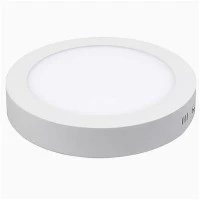
LED downlights, also referred to as recessed lights, provide concentrated lighting without the need for large fixtures because they are flush with the ceiling. They last between 25,000 and 50,000 hours and use up to 85% less energy than incandescent lights. Optimal performance and safety are guaranteed by proper installation.
Safety Measures
Prioritise safety before beginning:
To make sure the wires are dead, use a non-contact voltage tester after turning off the power at the circuit breaker.
Put on gloves and safety eyewear to guard against electrical risks and debris.
Make certain that your ladder is level and solid.
Verify local construction codes; electrical work may require permits in some areas.
If in doubt, seek advice from a qualified electrician.
Equipment & Supplies Needed
Assemble these necessities:
Instruments:
Voltage tester without contact
Stud locater
Hole saw or plasterboard saw (usually 4–6 inches in diameter, matching the diameter of the light)
Drill (to attach the hole saw)
Phillips and flathead screwdrivers
Wire cutters and strippers
Fish tape (if running new wire)
Pencil and measuring tape
A ladder
Resources:
LED downlight kit (with driver, trim, and housing)
Connectors for wires (wire nuts)
Electrical tape
Junction box (if the lamp does not come with one)
Mounting clips or plasterboard screws
Getting Ready for Installation
1. Make a layout plan
Choose a location for the lights. Set them 4–6 feet apart for uniform lighting.
Steer clear of pipes, ducts, and joists. To map ceiling impediments, use a stud finder.
Make sure the housing has three to six inches of space above the ceiling.
2. Select the Proper LED Downlight
If putting close to insulation, choose IC-rated (Insulation Contact) fixtures.
If a dimmer switch is being used, choose dimmable LEDs.
Verify the voltage compatibility (120V for North America, for example).
Detailed Installation Instructions
Step 1: Shut off the electricity and get the workspace ready.
Turn off the room's electrical breaker.
To collect rubbish, move furniture or cover floors.
Step 2: Indicate the Location of the Light
Mark each light's centre with a pencil.
Measure the necessary hole size or trace the housing's template, which comes with the package.
Step 3: Make a hole in the ceiling
Make a pilot hole in your mark's centre.
Slowly cut after connecting the hole saw to your drill. A plasterboard saw is a good tool for plasterboard.
A helpful tip is to hoover dust often to maintain a clean workstation.
Run the wiring in step four.
Use the current wiring if you're retrofitting. Run NM (non-metallic) cable from the power supply to the hole for new installations.
Leave the wire hanging 6 to 8 inches from the ceiling.
Connect the wires in step five.
Remove ½ inch of insulation from the wire ends.
Complement the hues:
Black (live) to either the red or black wire of the LED.
White (neutral) to the white wire of the LED.
Green/bare (ground) to the green housing or wire of the LED.
Use wire nuts to secure connections, then cover with electrical tape.
Installing the LED housing is step six.
Place the housing into the opening in the ceiling.
Use screws, springs, or built-in clamps to hold it in place. Make sure the ceiling is flat with it.
Step 7: Fasten the Bulb and Trim
The trim should be snapped into the housing. A detachable LED module is included with certain variants.
Make that the driver for integrated LEDs is plugged in and nestled inside the enclosure.
Step 8: Test and Restore Power
Reactivate the circuit breaker.
Use a switch or dimmer to test the light. Verify the dimmer's compatibility or connections if it flickers.
After-Installation Advice
To ensure alignment, adjust the trim.
To stop air leaks, use fire-rated caulk to seal any holes surrounding the housing.
To keep the lens bright, wipe it down with a microfiber cloth.
Solving Typical Problems
Lights that flicker:
Use a dimmer switch that is compatible with LEDs.
Make sure the cables are securely fastened.
A buzzing sound
Check for loose parts or replace dimmers that aren't suitable.
No Light Turns On:
Check that the circuit breaker is turned on.
Verify the wiring connections again.
LED downlight installation improves the energy efficiency and appearance of your house. By taking these precautions, putting safety first, and verifying connections, you may accomplish professional outcomes. When looking for model-specific information, always consult the manufacturer's instructions. When in doubt, seek the advice of a certified electrician to guarantee safety and compliance.