What color temperature do laying hens need?
The lighting needs and color temperature selection of laying hens (laying hens) should be combined with their physiological characteristics and production goals (such as egg production rate, health management). The following are scientific suggestions:
1. Recommended color temperature range
Optimal color temperature: 2700K~5000K
Warm white light (2700K~3500K):
Similar to natural light in the early morning/dusk, it reduces stress in the flock and is suitable for stabilizing emotions during the laying period.
Neutral white light (4000K~5000K):
Simulates midday sunlight, increases activity and feed intake, especially suitable for chicks and growing periods.
2. Color temperature adjustment at different stages
(1) Chick stage (0~6 weeks)
Color temperature: 4000K~5000K (slightly cool white)
Function:
High color temperature blue light has a large component, which stimulates chick activity and promotes feeding and bone development.
Avoid using red light (may cause pecking).
(2) Rearing period (7-18 weeks)
Color temperature: 3500K-4000K (neutral white)
Function:
Balance growth and sexual maturity, prevent premature laying.
(3) Egg-laying period (after 19 weeks)
Color temperature: 2700K-3500K (warm white)
Function:
Warm light reduces stress and stabilizes egg production.
Can be used with 14-16 hours of light exposure (recommended light intensity 10-20 lux).
3. Avoid color temperature
Cold white light (>6500K):
Excessive blue light may suppress melatonin, causing irritability or decreased egg production in the flock.
Pure red light (<2000K):
Although it reduces pecking, long-term use may delay sexual maturity.
4. Other key lighting parameters
Light intensity:
Chicken period: 20~30 lux
Egg-laying period: 10~20 lux (too bright can easily cause feather pecking).
Light cycle:
The egg-laying period requires a stable light duration (such as 14~16 hours), and sudden changes will cause egg production fluctuations.
5. Scientific basis
Blue light (450~480nm):
Stimulates chicken retinal ganglion cells and affects the hypothalamus to regulate egg-laying hormones (such as follicle-stimulating hormone).
Warm light (long wavelength):
Promotes melatonin secretion and improves rest quality.
6. Practical application suggestions
LED lamp selection:
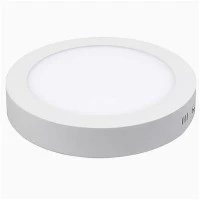
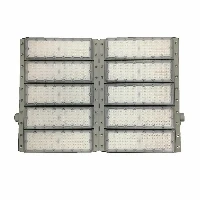
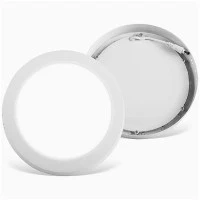
Select livestock-specific LEDs with adjustable color temperature (such as 2700K~5000K switchable) to meet the needs of different stages.
Automation control:
Combined with a timer to simulate natural day and night changes (such as gradually brightening to 5000K in the early morning and transitioning to 2700K in the evening).
Example solution
Stage Color temperature Lighting time Intensity (lux)
Chicken 5000K 23 hours 20~30
Growing period 4000K 8~10 hours 5~10
Egg-laying period 3000K 14~16 hours 10~20
Note: you can consult poultry led lamp and LED dimmer from http://www.benweilight.com