Your firm won't operate at 100% efficiency. Nothing ever comes out exactly as it went in. However, each successful firm aspires to such efficiency. In terms of success and production, the advantages may seem evident, but how does it relate to lighting? We demonstrate the harm that inefficient lighting does to your company and how to prevent it.
Why Is Lighting Wasteful?
You require electrical energy to run any electrical equipment. This energy passes into the lighting fixture to switch it on and sustain light output, even though many companies are increasingly supplementing their electrical energy with more renewable sources.
Not all of this energy, however, is transformed into light. The bulk of electrical energy is wasted as heat in certain lighting fixtures. High intensity discharge (HID) bulbs, such as metal halide lamps, are estimated to be 3 to 5 times more efficient than incandescent lighting in industrial environments. This does not, however, equate to great efficiency when you consider that certain incandescent lights may waste up to 90% of their electrical energy to heat.
Lighting Waste Is Expensive
Numerous lighting fixtures are necessary to keep industrial firms operating since they need such large locations. Their combined usage of lighting energy has a significant impact on your overhead costs. Even while these costs may be paid when company is booming, profit margins may still be impacted. Running expenses made worse by ineffective illumination might bankrupt a firm when business is bad.
Inefficient lighting has an impact on other appliances
Ineffective illumination also has a practical side effect. The interior temperatures of an industrial facility may be quite high due to the high amount of electrical energy that is converted to heat. This may result in worker safety hazards and a greater dependence on ambient temperature regulation in warmer areas.
Inefficient lighting may increase the amount of heat in a space, forcing air conditioning and other cooling systems to operate harder and placing more demand on overhead. Because certain HIDs produce so much heat, they may burn people or ignite combustible materials, lamp placement is especially crucial.
Efficiency Issues Can Halt Growth
Even if the money lost due to high overheads may not be sufficient to close a business, the influence on innovation is still there. Long-term consequences of not having enough money to plan new activities or create new means of production might be disastrous.
Inefficient lighting not only eliminates these prospects but also limits the advancement of lighting technology. HIDs take a long time to switch on and use a lot of energy. Because of this, they cannot be set up or even utilized with simple motion detection systems. As a consequence, a company loses out on the many advantages that programmable lighting may bring about for both their operations and their employees.
Inefficient lighting may result in a loss of business.
Our energy resources are suffering as a result of widespread energy inefficiency. Additionally, it is a factor in the dangerous climate change that is endangering everyone, including your company. Reducing inefficiency makes it possible to consume less energy overall while also enabling future growth. With efficient lighting, a cleaner, safer, and more prosperous future is more probable.
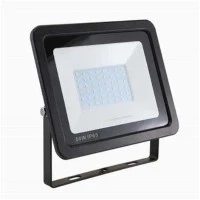
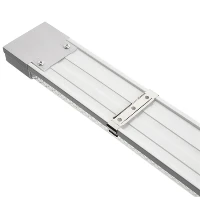
Here's where LED comes into play. They are the cleanest and least energy-consuming lighting technology available, up to 80% more efficient than HIDs. They not only work more effectively but also provide better-quality light that can be adjusted to market changes. Greater efficiency is yet to come, as LED lighting is still in its relative infancy.