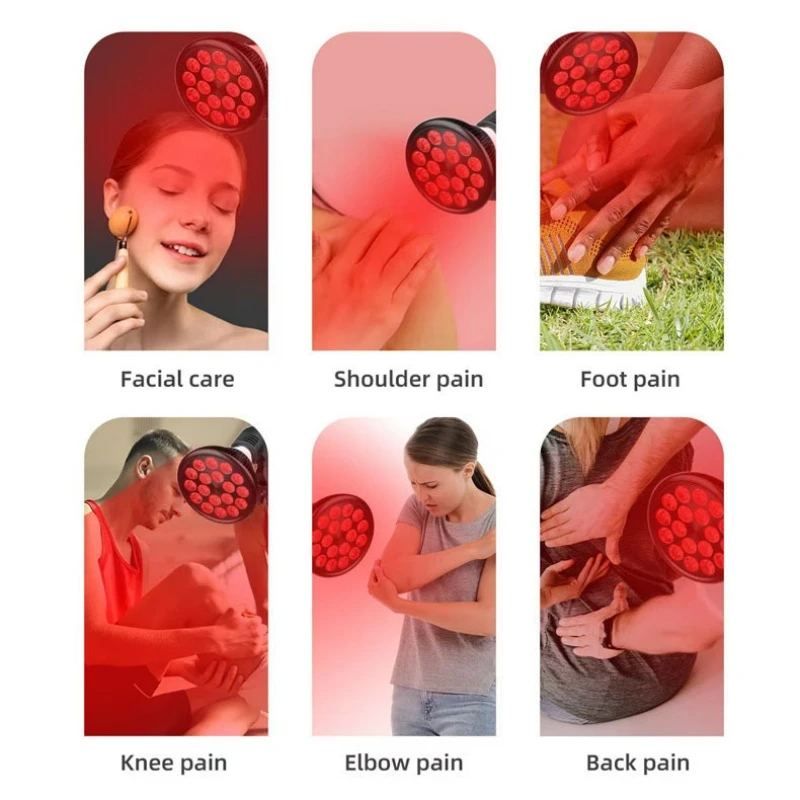
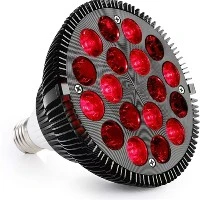
After purchasing a red light device, the first question many people ask is: "How long should I use it each time?" Will a 5-minute session be ineffective? Would 40 minutes yield better results? The answer isn't as simple as you might think. Even with a fixed duration of 15 minutes, the actual light energy received can vary several-fold depending on the device and the distance used. This article breaks down the key factors influencing treatment duration to help you find the right routine for your specific device.
A Reference Range to Start With
Here is a starting point suitable for most people: treat a specific area for 10 to 20 minutes per session, 3 to 5 times a week.
This is the common recommended range for most home-use panel lights and masks, and many manufacturers' manuals align with this.
However, this is merely a starting point, not a definitive standard. The following sections explain why your optimal duration might be shorter or longer than this range.
The Real Variable Behind Duration: Dosage
Red light therapy is measured not by "minutes," but by dosage-specifically, the amount of light energy actually absorbed by the skin's surface.
The simple conversion formula is:
Dosage (J/cm²) = Power Density (mW/cm²) × Time (seconds) ÷ 1000
For example:
If a device has a power density of 30 mW/cm² at your usage distance and you treat for 10 minutes (600 seconds), the dosage is approximately 18 J/cm².
If another device has a power density of only 10 mW/cm² and you treat for the same 10 minutes, the dosage is only 6 J/cm².
Even with the same duration in minutes, the actual results can differ significantly. Higher power requires less time, while lower power requires a longer treatment session.
Additionally, photobiomodulation is generally considered to exhibit a "biphasic dose-response": if the dosage is too low, effects are negligible; a moderate dosage is optimal; and an excessively high dosage may actually diminish the benefits. Therefore, longer treatment is not necessarily better.
Reference Guidelines for Treatment Duration by Device Type
Power output, coverage area, and treatment distance vary significantly depending on the product design, so recommended durations differ accordingly:
LED Masks: Worn close to the face; power density is usually lower but the distance is fixed. Common recommendations range from 10 to 20 minutes.
Small Handheld Devices: These have a small treatment area and require moving the device point-by-point. A common approach is 1–3 minutes per spot, with a total session time of around 10 minutes for the entire area.
Large Panel Lights: High power and large coverage area. When positioned 15–30 cm away, a common recommendation is 10–15 minutes per treatment area.
Full-Body Devices or Red Light Beds: High power density and wide coverage. A single session typically lasts 10–20 minutes, though some high-power models may require less time.
Please refer to your specific product manual and actual power output data, as there are significant differences between brands.
How Treatment Distance Affects Duration
Light intensity decreases as distance increases. With the same panel light, the power density can differ by more than twofold depending on whether it is placed close to the skin or 30 cm away.
In practice, you can adjust as follows:
Close distance: Power density is high; shorten the duration, but ensure you do not exceed the manual's recommendations.
Far distance: Power density is lower; you can appropriately extend the duration.
Maintain a consistent distance (e.g., standing in the same spot every time) to ensure a stable dosage and make it easier to observe your body's response.
Usage Frequency and Treatment Cycles
Frequency is just as important as duration.
Initial Phase: For the first 1–2 weeks, start with 5–10 minute sessions, three times a week, to observe how your skin or body adapts.
Maintenance Phase: Once adapted, you can adjust to 10–20 minute sessions, three to five times a week. Timeframe for Results: Changes from light therapy are usually cumulative; most people need several weeks of consistent use to notice a difference. Do not blindly increase the duration just because you don't feel an immediate effect after two or three sessions.
Rest Days: Schedule one or two days off each week to allow your body time to recover.
What happens if the session is too long?
Based on common user feedback, excessive exposure does not necessarily yield better results and may cause discomfort:
Mild skin warmth, redness, or dryness
Fatigue or head discomfort after the session
Stagnant results, or results that are less effective than with moderate usage
If these issues occur, reduce the session duration or frequency rather than increasing the dosage. When using near-infrared devices, avoid looking directly at the light source; wearing the provided protective eyewear is recommended. Individuals with specific skin conditions, those taking photosensitive medications, or those with other health concerns should consult a doctor before use.
Summary
The typical reference range for a single session is 10 to 20 minutes, 3 to 5 times per week.
Effectiveness is determined by dosage, not just the number of minutes; power density and distance affect the required duration.
Recommended durations vary for face masks, handheld devices, panel lights, and full-body units; always refer to the product specifications.
Beginners should start with shorter sessions, adjust gradually, and maintain a consistent distance and frequency.
Longer sessions are not necessarily better; reduce the duration if discomfort occurs.
If you are selecting a red light device, or if you would like specific power data and recommended usage times for a particular product at various distances, please feel free to contact us. We can recommend suitable models based on your specific needs-whether for personal care, commercial use, or wholesale-and provide detailed specifications, samples, and price quotes. Simply leave a message or send an inquiry, and we will get back to you promptly.
https://www.benweilight.com/industrial-lighting/led-high-bay-light/500w-ufo-led-lights.html