

How To Diffuse LED Lights?
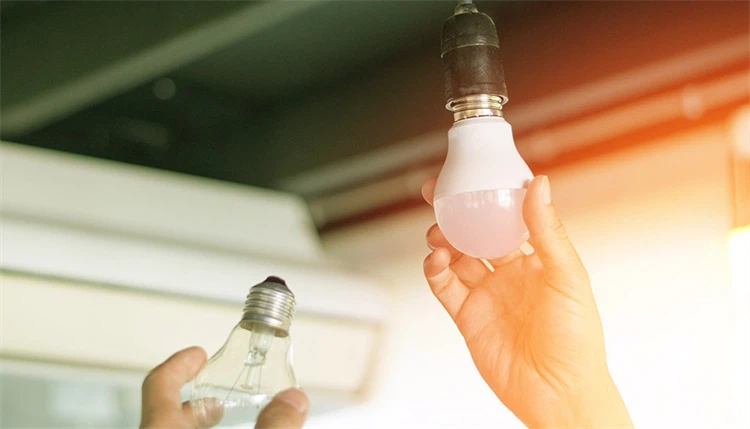
Diffusing LED light is the secret to transforming harsh, direct lighting into soft, pleasant illumination. This guide covers easy methods to diffuse both LED bulbs and strip lights using store-bought solutions or simple DIY materials.
Why Diffuse LED Lights?
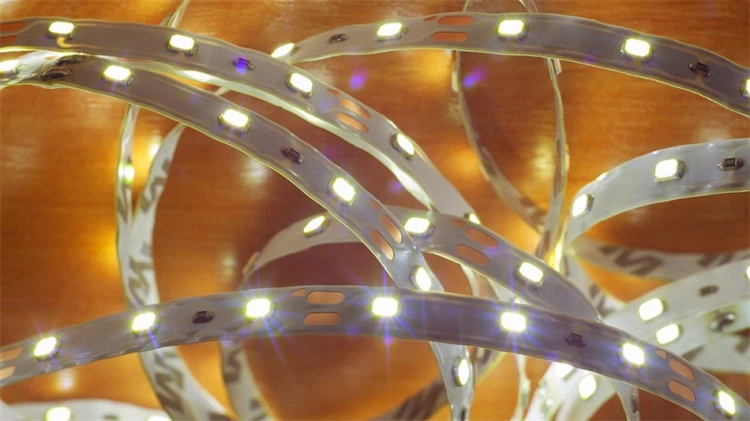
Diffusing light means scattering it to create a softer, more even glow. This reduces harsh shadows and bright "hot spots," making the light more comfortable for spaces like living rooms and bedrooms. While clear LEDs are great for task lighting in kitchens or offices, diffused lighting creates a calmer, more inviting atmosphere.
Diffused vs. Clear LEDs
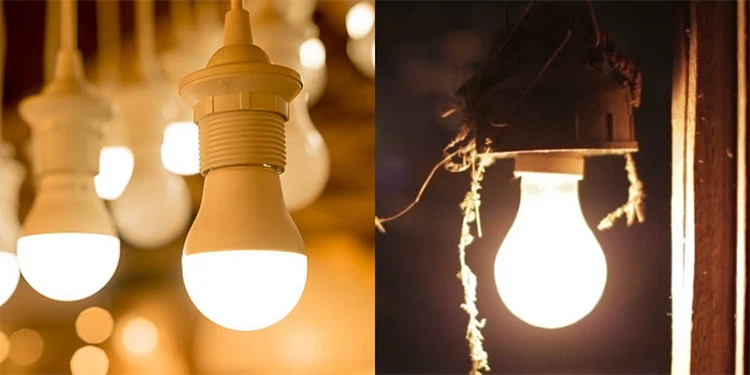
Clear LEDs: Have a transparent cover, focusing the light into a brighter, more direct beam. Ideal for task lighting.
Diffused LEDs: Feature an opaque or frosted coating that scatters the light. This creates a wider, more even glow, though it may slightly reduce perceived brightness.
Easy DIY Diffusion Methods
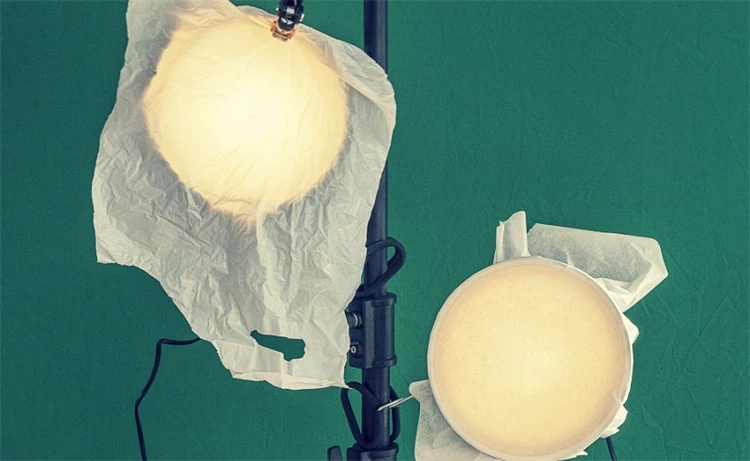
If you can't find a pre-diffused light you like, you can easily create your own diffusers. Important Safety Note: Only use these methods with LED lights, as they produce very little heat. Never cover hot-burning bulbs like incandescent or halogen, as this is a fire hazard. Always check that your LED bulb is cool to the touch before applying any material.
For LED Bulbs & Lamps:
Paper Solutions: Printer paper, tracing paper, or wax paper can be carefully shaped and placed over a lamp shade or fixture to soften the light. Experiment with the number of sheets and their distance from the bulb to achieve the desired effect.
Plastic or Acrylic: Semi-transparent plastic sheets or opaque acrylic panels make excellent, durable covers for DIY lamp shades or fixtures.
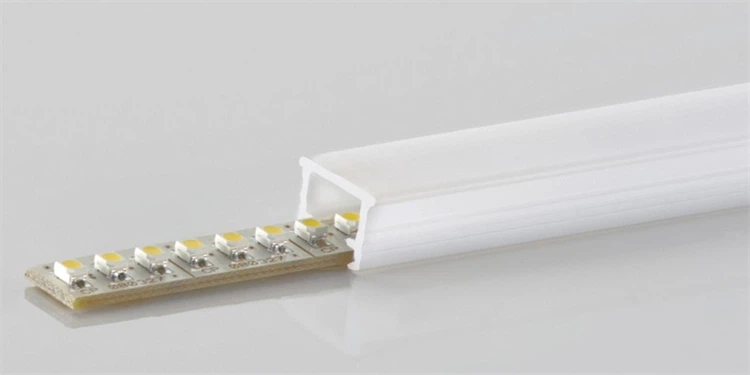
For LED Strip Lights:
Fabric: Thin cotton or knit fabric from old clothes or sheets is perfect. Simply cut the fabric to size and wrap it around the light strip, securing it with tape or adhesive. Colored fabric can also subtly change the light's color.
Shower Curtain: An opaque shower curtain is a ready-made diffusion material. Cut a section to size and attach it over the strip light.
Parchment or Tissue Paper: These household staples are easy to shape and attach. Parchment paper offers strong diffusion, while tissue paper provides a lighter effect.

Frequently Asked Questions
Is it safe to cover LED lights?
Yes, because quality LEDs emit minimal heat. However, always double-check that the LED is cool before covering it. Never cover other types of hot bulbs.
How do you make LED light spread out?
Cover the LEDs on all sides with a semi-transparent, opaque material. This scatters the light, making it spread over a wider area.
What is the benefit of diffused light?
It's easier on the eyes, reduces glare and shadows, and creates a more pleasant and ambient atmosphere in a room.
Conclusion
Creating beautiful, soft lighting is easy once you know how to diffuse LED lights. You can use specialized diffuser channels or common household items like paper, fabric, and plastic. Feel free to experiment with different materials to find the perfect soft glow for your space, always prioritizing safety by using cool-burning LEDs.


