Interpretation of the luminous intensity and luminous angle of LED home lighting
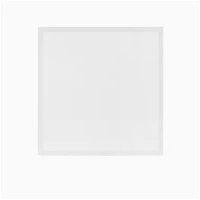
LED panel light refers to the assembly of LEDs on a strip-shaped FPC (flexible circuit board) or PCB hard board. It is named after its product shape is like a strip. Because of its long service life (normally 80,000 to 100,000 hours) and green environmental protection, it has gradually emerged in various decoration industries. The meaning of luminous intensity and luminous angle of LED panel light:
The basic unit of the luminous intensity of LED panel lights, candela is one of the basic units of the International System of Units. Generally, different colors of LED panel lights will have different luminous intensities. The common unit is mcd, that is, millicandela. The higher the value, the greater the luminous intensity, that is, the brighter.
This is an important indicator for evaluating the brightness of LED panel lights. The higher the brightness requirement, the more expensive the light strip. This is because high-brightness LED chips are expensive, and the higher the brightness, the more difficult it is to package.
The light-emitting angle of the LED panel light: This refers to the light-emitting angle of the LED components on the LED panel light. Generally, the light-emitting angle of the general-purpose SMD LED, that is, the SMD component, is 120 degrees. The larger the light-emitting angle, the better the astigmatism effect, but the brightness of the light is correspondingly reduced. When the light-emitting angle is small, the intensity of the light increases, but the range of illumination will be reduced.
Therefore, another important indicator for evaluating LED panel lights is the luminous angle. There are some bad manufacturers on the market. In order to increase the brightness of the light to earn higher profits, they deliberately reduce the light-emitting angle. If you are not careful, you will buy such shoddy components.