Is Ultraviolet Radiation Effective for Mold Remediation?
Mold contamination is a persistent problem in residential, commercial, and industrial environments. From musty basements and bathroom ceilings to HVAC ductwork and food processing facilities, mold spores thrive wherever moisture and organic matter meet. Beyond the unpleasant odors and aesthetic damage, mold poses serious health risks-triggering allergic reactions, asthma attacks, and chronic respiratory conditions.
Traditional remediation methods-chemical biocides, physical removal, and improved ventilation-each have their own limitations. In recent years, ultraviolet‑C (UVC) radiation has gained attention as a chemical‑free, rapid‑acting alternative for mold control. But does it actually work? And if so, when and how should it be applied?
This article reviews the scientific evidence behind UVC germicidal irradiation (UVGI) for mold remediation, compares it with other approaches, and provides practical guidance for safe and effective deployment-supported by real‑world case studies and up‑to‑date market data.
How UVC Radiation Works on Mold Spores
To understand whether UVC can remediate mold, we must first look at its target: the mold spore. Spores are resilient reproductive structures designed to survive harsh conditions. They can remain dormant for years before germinating into visible colonies when moisture returns.
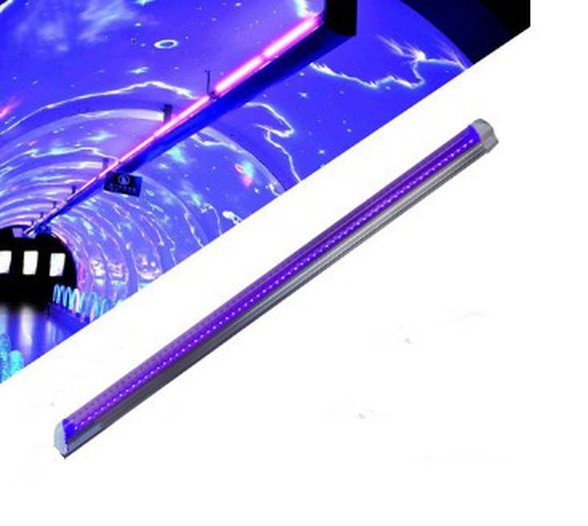
UVC light-particularly at a wavelength around 254 nanometers-does not "poison" mold. Instead, it physically damages the microorganism's genetic material. When a mold spore is exposed to a sufficient dose of UVC radiation, adjacent thymine bases within its DNA absorb photon energy and form abnormal covalent bonds known as thymine dimers. This structural damage disrupts DNA replication and transcription, rendering the spore non‑viable-unable to reproduce or cause further contamination. From a biological standpoint, the microorganism is effectively "dead" or sterilized.
The UVC wavelength band most effective at microbial sterilization is 254 nm, which matches the absorption peak of microbial DNA and RNA. UVC photons at this wavelength carry sufficient energy to break DNA chains directly, whereas longer‑wavelength UVA (365 nm or 395 nm) is far less effective unless combined with photocatalytic materials such as TiO₂.
However, the key variable is dose. The UV germicidal dose is the product of irradiance (intensity) and exposure time, measured in µJ/cm² or mJ/cm². Research published in Applied and Environmental Microbiology indicates that achieving a 99.9% inactivation rate for common indoor molds such as Aspergillus niger (black mold) and Penicillium requires a UV dose between 10,000 and 30,000 µJ/cm²-significantly higher than the dose needed for most bacteria. For reference, airborne bacteria may be inactivated at doses of 2,000–8,000 µJ/cm².
This differential is due to several factors:
- Thick cell walls that absorb or scatter UV photons before they reach the DNA
- Protective pigments (e.g., melanin) present in some fungal species that absorb UV energy
- Multi‑layered spore structures that require more cumulative damage for complete inactivation
It is also critical to note that mold hyphae-the filamentous, vegetative structures that form visible colonies-are considerably more resistant than spores due to their complex architecture and potential embedding within porous materials. This explains why UVC is highly effective against surface‑borne spores and airborne spores but is inadequate for established, visible mold colonies growing on or within materials like drywall, wood, or ceiling tiles.
UVC vs. Other Mold Remediation Methods
Choosing the right remediation strategy requires balancing effectiveness, cost, safety, and practicality. The table below compares four primary approaches:
| Comparison Dimension | UVC Irradiation | Chemical Biocides | Ventilation & Humidity Control | Physical Removal |
|---|---|---|---|---|
| Mechanism of action | Physical disruption of spore DNA | Chemical oxidation/destruction of cell structures | Alters the moist environment required for growth | Direct elimination of contaminated material |
| Primary advantages | No chemical residue; rapid action; treats airborne spores | Fast results on surfaces; effective against hyphae and spores | Addresses root cause; low long‑term cost; improves overall indoor air quality | Most definitive solution; immediately removes source |
| Key limitations | Only effective on direct line‑of‑sight surfaces; useless on hidden/deep mold; safety hazards | Potential toxic VOCs; surface corrosion; poor penetration into porous materials | Does not eliminate existing growth; challenging in humid climates | Generates dust and spores (cross‑contamination risk); labor‑intensive |
| Optimal applications | HVAC coils and AHU surfaces; adjunctive treatment of smooth surfaces; air‑stream disinfection | Small‑scale treatment on non‑porous, hard surfaces (tile, glass, stainless steel) | Foundational preventive measure for all environments (basements, bathrooms, crawl spaces) | Severely mold‑damaged porous building materials (drywall, carpet, ceiling tiles, insulation) |
| Professional dependency | Medium to High (requires professional equipment, dose calculation, safety training) | Low to Medium (consumer products available, follow safety protocols) | Low (can be implemented by occupant) | High (severe cases require professional mold remediation contractors) |
In addition to these four methods, ozone treatment is sometimes used for mold remediation. Ozone (O₃) is a strong oxidant that can kill mold spores in air and on surfaces. However, ozone poses significant safety risks-it is a respiratory irritant that can damage lung tissue, and the U.S. FDA has issued strict warnings against its use in occupied spaces. Unlike UVC, which requires direct exposure, ozone diffuses into areas, but it also leaves behind noxious residues and requires extensive ventilation after treatment. UV‑C, by contrast, provides hospital‑grade disinfection without any chemical residues or health risks when properly applied. Research has also found that fogging (a common chemical dispersal method) is less effective than UV radiation, particularly on vertical and downward‑facing surfaces.
Key Applications of UVC for Mold Remediation
UVC technology is not a one‑size‑fits‑all solution. Its effectiveness depends heavily on correct application. Below are the primary use cases where UVC delivers proven results.
1. HVAC Coil and Surface Irradiation
Cooling coils, drain pans, and filter surfaces inside HVAC systems are ideal breeding grounds for mold and biofilm. These areas are cool, dark, and consistently damp from condensation. Once mold establishes on coils, it not only degrades indoor air quality but also insulates the coil surface, reducing heat transfer efficiency and driving up energy costs.
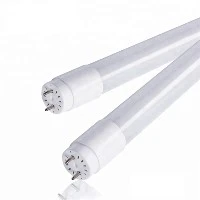
Installing UVC lamps directly above evaporator coils continuously irradiates the coil surface, preventing mold and biofilm buildup. This application is particularly effective because:
- The irradiated surfaces are smooth and non‑porous, allowing full UV exposure
- The close proximity of lamps to coils (typically 6–12 inches) ensures high irradiance levels
- Lamps can operate 24/7, providing continuous protection
A study published in the ASHRAE Journal found that UV‑C systems installed in HVAC units keep cooling coils clean, preserving HVAC efficiency and significantly reducing maintenance labor and expenses. UVC coil irradiation also reduces energy consumption by restoring heat transfer efficiency, with some facilities reporting up to 15‑20% energy savings after installation.
2. Air‑Stream Disinfection
In addition to coil irradiation, UVC lamps installed inside air handling units (AHUs) or ductwork can disinfect moving airstreams "on‑the‑fly." As air passes through the UV field, airborne mold spores are inactivated before they can circulate into occupied spaces. Properly designed systems can achieve up to 99% pathogen inactivation in a single pass.
Upper‑room UV‑C is another proven configuration. Lamps are installed near the ceiling, creating a germicidal disinfection zone above occupant height while shielded louvers protect people below. This approach can generate an additional 10‑16 equivalent air changes per hour (eACH) to existing ventilation systems-comparable to adding fresh outdoor air at a fraction of the cost.
3. Healthcare and Food Processing Facilities
UVGI systems are widely deployed in hospitals, clinics, pharmaceutical cleanrooms, and food processing plants to prevent microbial contamination. In healthcare settings, UVC reduces the spread of airborne infections such as tuberculosis, MRSA, and influenza-protecting both patients and healthcare providers.
For pharmaceutical and food processing units, UVGI helps maintain sterile environments that comply with strict regulatory standards such as GMP and FDA requirements. UVGI systems installed in HVAC ducts and cleanrooms prevent airborne mold spores from contaminating manufacturing zones, ensuring product quality and safety.
4. Residential and Commercial Air Purification
Portable UV air purifiers and in‑duct UV systems are increasingly popular in homes and commercial buildings. A pivotal study in the American Journal of Infection Control found that UVC light can reduce airborne pathogens-including mold spores-by up to 99.9% in controlled conditions. A year‑long study by the EPA found that households using UVC purifiers reported fewer allergy symptoms and respiratory problems. Research from the National Renewable Energy Laboratory also found that UVC systems typically require less maintenance and consume less energy than traditional HEPA filters, making them a cost‑effective and sustainable choice for air purification.
Real‑World Case Studies and Historical Evidence
The effectiveness of UVGI for infection and mold control is not merely theoretical-it has been demonstrated in rigorous studies spanning nearly a century.
In 1937, epidemiologist William F. Wells installed upper‑room UV lamps in suburban Philadelphia schools to combat measles. Schools equipped with the technology had an infection rate of only 13.3%, compared to 53.6% in the general population-a dramatic 75% reduction in transmission.
More recently, a three‑year field study published in the Journal of the American Veterinary Medical Association documented an 87.1% reduction in upper respiratory infections following installation of fan‑integrated upper‑room UV‑C systems in a high‑density animal care facility. According to ASHRAE's Position Document on Infectious Aerosols, UV‑C is recognized as one of three proven methods for infection control of airborne diseases, alongside ventilation and particle filtration. The CDC and NIOSH specifically recommend upper‑room UVGI for improved control of highly contagious airborne diseases.
Safety Considerations: UVC Requires Respect
UVC is highly effective, but it is also hazardous to human skin and eyes. Direct exposure can cause photokeratitis (a painful "sunburn of the eye") and erythema (skin burns). The ACGIH Threshold Limit Value (TLV) for upper‑room UVC exposure is set at 6.0 mJ/cm²-exceeding this limit can cause painful corneal irritation.
Critical safety measures include:
- Engineering controls: Enclose UVC sources in opaque housings, install interlock mechanisms that shut off lamps when enclosures are opened, and use reflective shields to contain stray radiation
- Personal protective equipment: Use UV‑blocking safety eyewear certified to ANSI Z87.1 or EN 170 standards, along with long sleeves, UV‑blocking gloves, and aprons
- Administrative controls: Train all personnel on UV hazards, post multilingual warning signage, and strictly adhere to exposure limit guidelines from organizations such as ACGIH and NIOSH
In the United States, most UVC disinfection devices are regulated by the FDA as Class II (moderate risk) medical devices, requiring Premarket Notification [510(k)] to demonstrate safety and efficacy. Manufacturers must also register with the EPA under FIFRA and avoid unsubstantiated claims.
The Growing UV Disinfection Market
The global market for UV disinfection technology is expanding rapidly, driven by heightened awareness of indoor air quality, regulatory pressure for chemical‑free disinfection, and technological advances in UVC LEDs.
| Market Segment | 2025 Value | 2030 / 2031 Forecast | CAGR |
|---|---|---|---|
| UV Disinfection Equipment | USD 3.87 billion | USD 7.94 billion (2030) | 15.4% |
| UV LED Market | USD 1.23 billion | USD 2.16 billion (2030) | 11.9% |
| UV Air Purifiers | USD 1.88–2.15 billion | USD 5.51–6.50 billion (2031–2033) | 15.6–19.6% |
| UV‑C Air Disinfection Units | USD 542.5 million | - | 8.5% |
Key drivers of this growth include:
- Mercury lamp phase‑out regulations under the Minamata Convention, accelerating adoption of mercury‑free UVC LEDs
- Post‑pandemic awareness of airborne transmission risks, increasing demand for air and surface disinfection solutions
- Technological advances in UVC LED efficiency and cost reduction-UVC LEDs now offer decontamination effectiveness comparable to, and in some cases better than, traditional mercury vapor lamps
- Smart integration enabling automated disinfection cycles, occupancy sensing, and remote monitoring
Practical Guidance: When to Use UVC for Mold Remediation
Based on the scientific evidence reviewed, here is a practical decision framework:
UVC is a good choice for:
- Preventing mold growth on HVAC coils, drain pans, and air filters
- Reducing airborne mold spore concentrations in occupied spaces (via upper‑room or in‑duct systems)
- Disinfecting smooth, non‑porous surfaces where line‑of‑sight exposure is possible
- Providing continuous, chemical‑free mold control in sensitive environments (healthcare, food processing, pharmaceutical cleanrooms)
UVC is NOT a substitute for:
- Removing established, visible mold colonies from porous materials (drywall, wood, ceiling tiles, carpet)
- Addressing the underlying moisture problem (leaks, high humidity, condensation)
- Physical removal of heavily contaminated materials-these must be cut out and replaced
An integrated approach is most effective: Use UVC as a supplementary tool within a comprehensive mold management strategy that includes moisture control (maintain indoor humidity between 30–50%), physical removal of heavily contaminated materials, and appropriate ventilation. Integrating UV disinfection technologies into HVAC systems is increasingly recognized as an essential component of modern facility management.
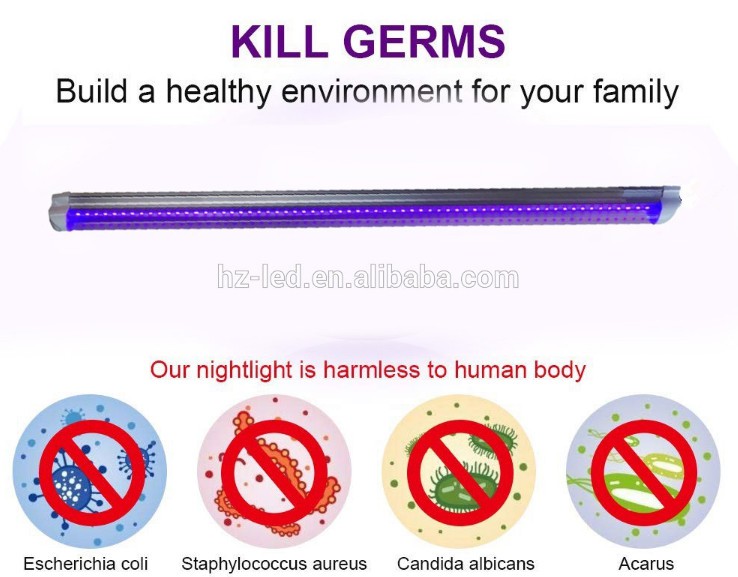
So, is ultraviolet radiation effective for mold remediation? Yes-but with important caveats. UVC light, particularly at 254 nm, is scientifically proven to inactivate mold spores by damaging their DNA, achieving up to 99.9% reduction in controlled conditions. It offers significant advantages over chemical biocides: no toxic residues, no VOCs, rapid action, and compatibility with smart automation. However, its effectiveness is limited to direct line‑of‑sight exposure on smooth, non‑porous surfaces or in moving air streams. It cannot penetrate porous materials or eliminate deeply embedded hyphae.
For facility managers and homeowners, the most effective strategy is integrated mold management: address moisture sources first, physically remove heavily contaminated porous materials, and deploy UVC as a continuous, chemical‑free tool for surface protection and air‑stream disinfection. When applied correctly, UVGI technology delivers measurable improvements in indoor air quality, reduced allergy symptoms, lower HVAC maintenance costs, and enhanced occupant health-making it a valuable investment for any building.