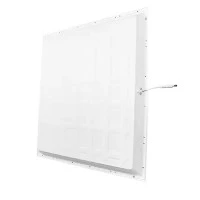
Are LED Panel Lights Worth Buying? Check These 5 Core Parameters Before You Decide
LED panel lights have become the mainstream choice for offices, schools, hospitals, and home renovations thanks to their ultra‑thin profile, uniform illumination, and glare‑free design. However, prices on the market range from a few dozen to several hundred dollars, and parameters such as luminous efficacy, CRI, and frame material vary widely. How can you choose a reliable product without making a mistake? This article uses a comparison table and five core parameters to help you quickly understand the essentials of LED panel lights.
1. Why Are LED Panel Lights Replacing Traditional Troffers?
Conventional office lighting has long relied on fluorescent troffers – three fluorescent tubes inside a metal chassis. These fixtures have low efficacy, severe flicker, and require frequent maintenance. LED panel lights use edge‑lit or direct‑lit technology with light guide plates and diffusers, producing uniform, soft illumination where you see the light, not the source.
The table below compares the key differences:
| Parameter | LED Panel Light | Traditional Fluorescent Troffer |
|---|---|---|
| Thickness | 8‑12 mm | 50‑80 mm |
| Luminous Efficacy | 100‑130 lm/W | 60‑80 lm/W |
| Color Rendering Index (CRI) | ≥80 (premium ≥90) | ~70 |
| Service Life | 30,000‑50,000 hours | 8,000‑10,000 hours |
| Flicker | Flicker‑free (quality driver) | Noticeable flicker (50 Hz) |
| Maintenance Cost | Very low (no lamp replacement needed) | High (frequent tube failures) |
For a 100 m² office, switching to LED panel lights can reduce annual electricity costs by about 60‑70%, and no light source replacement is needed for five years, saving significant labor and maintenance expenses.
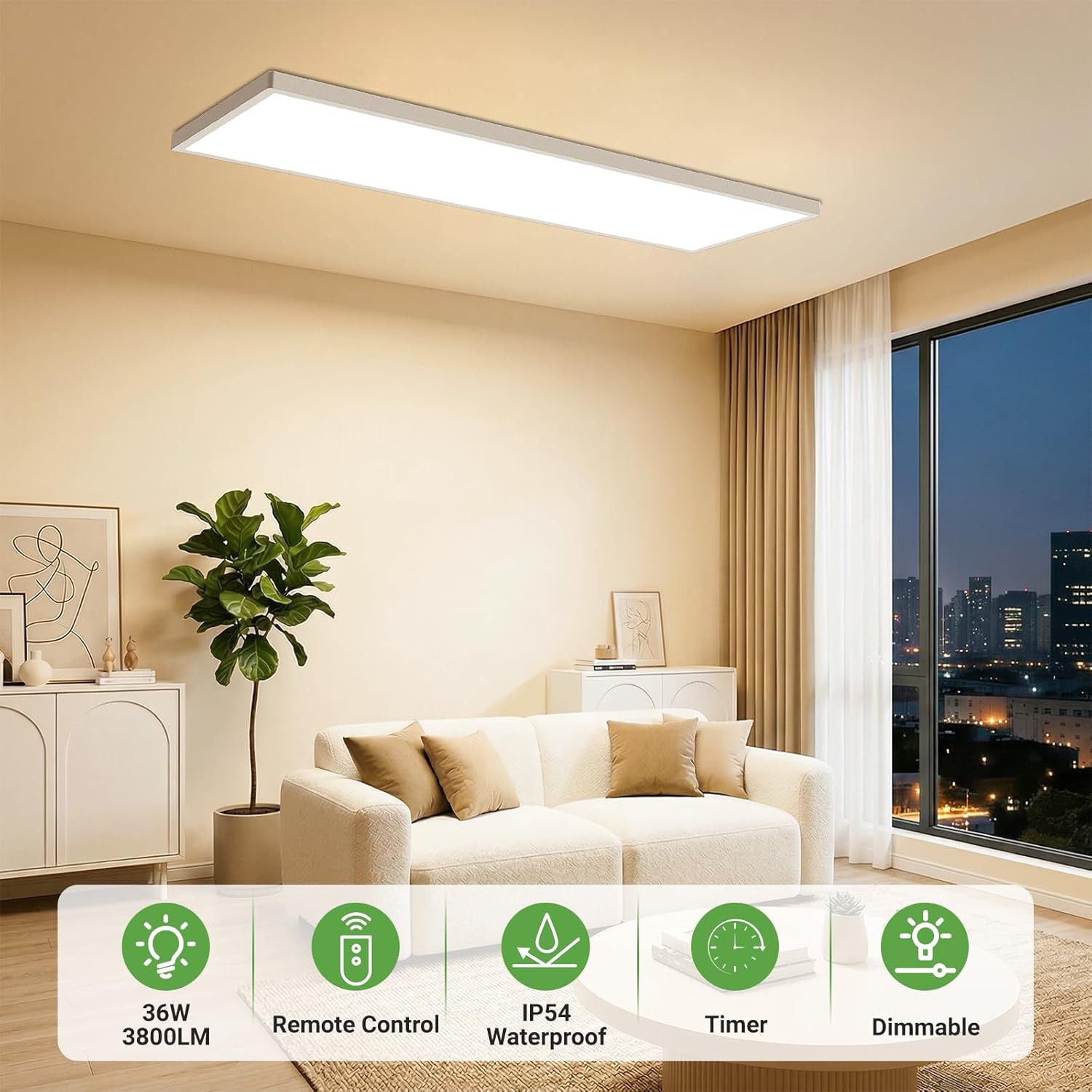
2. Three Main Applications of LED Panel Lights
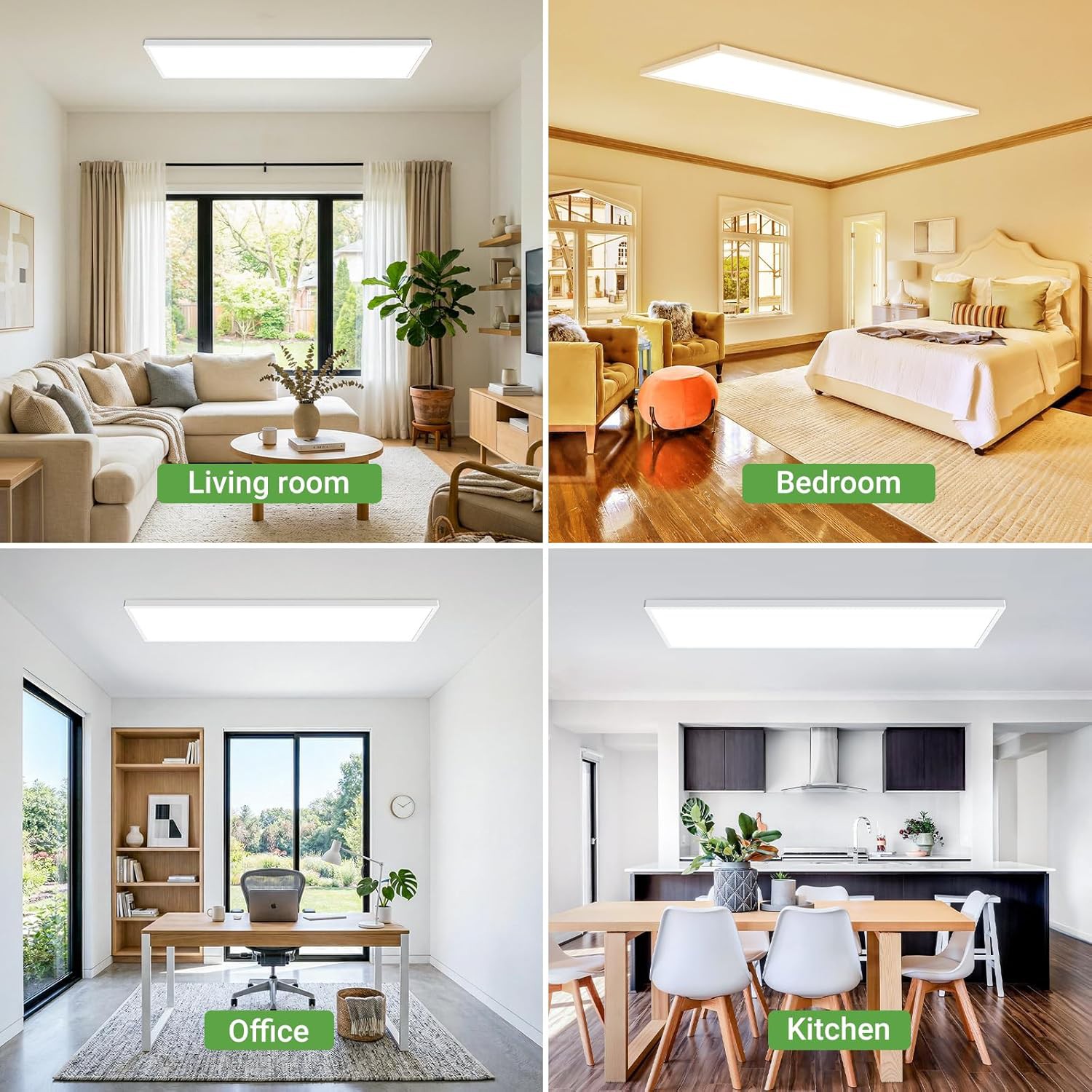
Office & Commercial – Recessed into suspended ceilings (standard sizes: 600×600 mm, 300×1200 mm, etc.), providing uniform, shadow‑free illumination that reduces eye strain.
Home Kitchens & Bathrooms – Ultra‑thin frames can be integrated into ceiling systems; IP40 or higher moisture/dust protection; soft light without dark spots.
Hospitals & Schools – High CRI (Ra≥90) ensures accurate color recognition; flicker‑free and low‑blue‑light designs protect children's and patients' visual health.
3. Five Core Parameters to Check When Buying an LED Panel Light
Luminous Efficacy (lm/W) – ≥100 lm/W is the pass mark; premium products achieve 130‑150 lm/W. Higher efficacy means more energy savings.
Color Rendering Index (CRI) – For offices and homes, Ra≥80 is acceptable; for colour‑critical spaces (design studios, art rooms), choose Ra≥90.
Frame Material – Prefer aluminium alloy (good heat dissipation, no warping). Avoid cheap plastic frames (prone to yellowing and poor thermal performance).
Driver (Power Supply) – Choose an external high‑quality constant current driver with PFC correction and flicker‑free operation. Cheap built‑in drivers often lead to premature LED failure.
Ingress Protection (IP) Rating – For kitchens and bathrooms, choose IP44 or higher; for ordinary rooms, IP20 is sufficient.
4. Market Snapshot
According to industry reports, the global LED panel light market was valued at approximately USD 6.2 billion in 2025 and is projected to exceed USD 9.0 billion by 2030, with a CAGR of 7.8%. Among all categories, ultra‑thin (≤8 mm thickness) and smart dimmable panel lights are the fastest‑growing segments, with annual growth rates exceeding 15%.
5. One‑Sentence Summary
When choosing an LED panel light, look for: aluminium alloy frame + luminous efficacy above 100 lm/W + CRI ≥80 + flicker‑free driver. Avoid ultra‑low‑price products (which often use poor‑quality LEDs and recycled plastic). Spending a little more upfront buys you five years of trouble‑free, comfortable lighting – a deal that absolutely makes sense.