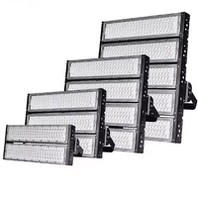
For cultivators, the market today is one that is competitive. More quickly than ever, high-quality crops are required, but occasionally, even for greenhouse producers, the weather simply isn't on our side. Supplemental illumination may significantly improve quality and yields while keeping you on schedule and, most importantly, profitable, depending on where you are and the requirements of your crop. In this article, we'll go over some of the factors that may make supplementary lighting the best option for greenhouse growers as well as why the MegaDrive® Linear 400 is the best option available.
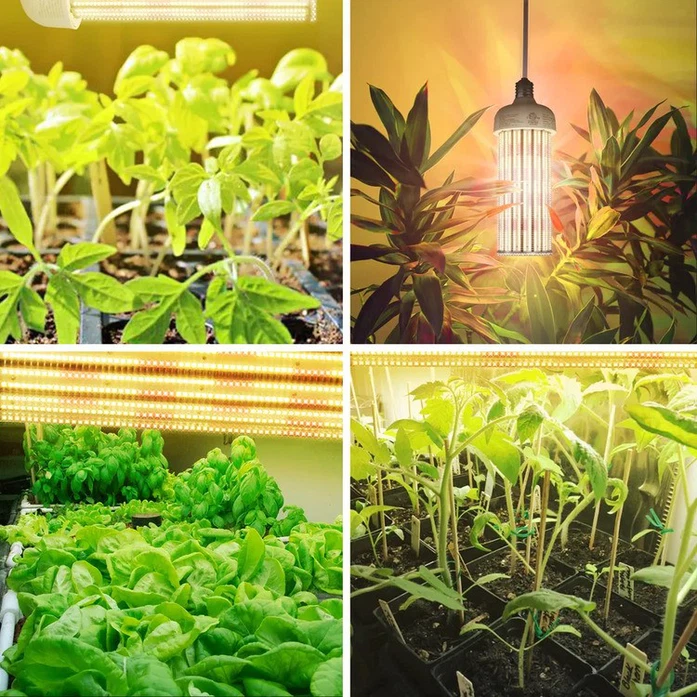
Additional Lighting
In greenhouses, artificial lights are added to the top of the canopy as supplemental illumination to help the sun with the growth process. This is especially crucial on gloomy days and during the winter, when sun energy is at its lowest. Supplemental lighting may be utilized in this situation to make sure your crop receives all the light it needs.
Expense of Additional Lighting for Greenhouses
While prices might vary significantly depending on how much additional lighting is needed, the size of your greenhouse, and the kind of lighting utilized, it is generally recognized that supplemental lighting is worthwhile when done correctly. Here, LEDs really excel in terms of the sort of illumination employed. In terms of energy usage, LEDs consume less than half the power of bulb-based illumination, making supplementary lighting economically viable. You could look at adaptive LED systems that gauge the quantity of incoming light and modify their brightness accordingly if you want to save even more electricity. All of this is to imply that supplementary lighting offers a surprisingly high return on investment when expenses are correctly reduced.
Integral Daily Light
The Daily Light Integral is used to determine all supplementary lighting needs (DLI). The DLI is the total daily radiation dose that a plant in your greenhouse receives for photosynthetically active processes. Each crop will have a distinct goal DLI, and depending on where your greenhouse is located, the DLI you actually obtain will fluctuate significantly from the target DLI. For instance, producers in Upstate NY will see considerably greater seasonal variations in DLI than growers in San Diego, CA. Decide on your goal DLI and how much artificial light you'll need throughout the year to achieve it before taking any action. Your yields and crop quality will start to rise if you can consistently maintain your desired DLI, which will result in greater profit.
Activating the Gun
For more illumination in greenhouses, there are several methods available. LEDs are actually the only practical choice if you want to boost your earnings instead of cutting into them given the escalating price of power and the enormous volumes of it used by conventional, non-LED lighting fixtures.
Conclusion
Adding more illumination is an excellent method to boost your profitability and yields. If you want to see these benefits, you must do it correctly. Really, the only option for making this cost possible is LEDs. Conventional grow lights use too much energy to be economically viable. The next step is to determine how much light you'll need, when you'll need it, and a strategy for delivering it. After they have been established, it is time to choose the appropriate fixture.