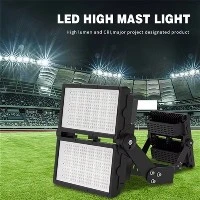
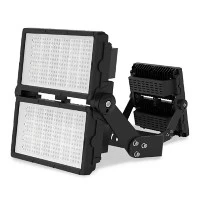
When buying LED lights, do you really only look at the wattage?
1. Lumens, Not Watts
Watts measure energy. Lumens measure brightness.
- A 10W LED can replace a 40W fluorescent
- Good LED: 130–180 lm/W
- Excellent: 200+ lm/W
Always compare lumens per watt. That's the true efficiency.
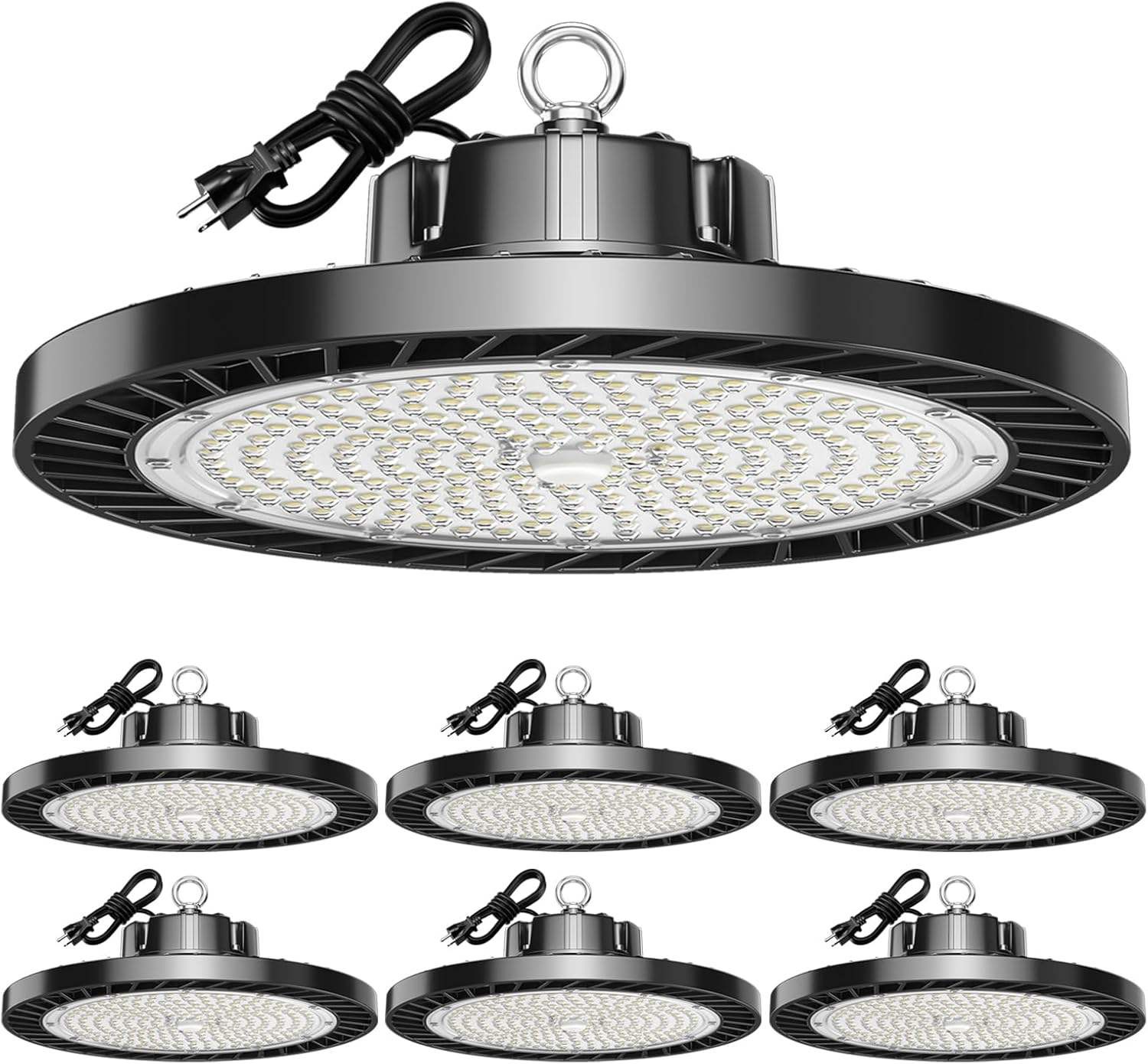
2. Lifespan: Look for L70
Manufacturers claim "50,000 hours." But what does that mean?
L70= hours until light drops to 70% of original brightness.
- Cheap LEDs: L70 at 15,000–25,000 hrs
- Quality LEDs: L70 at 50,000+ hrs
At 12 hours/day, 50,000 hrs = 11+ years of use.
3. CRI (Color Rendering Index)
CRI measures how accurate colors look.
|
CRI |
Best for |
|
80 |
Warehouses, basic lighting |
|
85–88 |
Offices, schools |
|
90+ |
Retail, galleries, hotels, photography |
Don't forget R9 red rendering. Low R9 makes reds look brown. Quality high-CRI lights have R9 > 50.
4. Flicker Matters
Invisible flicker causes eye strain, headaches, and fatigue.
- Bad: flicker index > 0.1
- Good: flicker index < 0.02 (IEEE 1789 compliant)
- Quick test: point your smartphone camera at the light. If you see moving bands, it flickers.
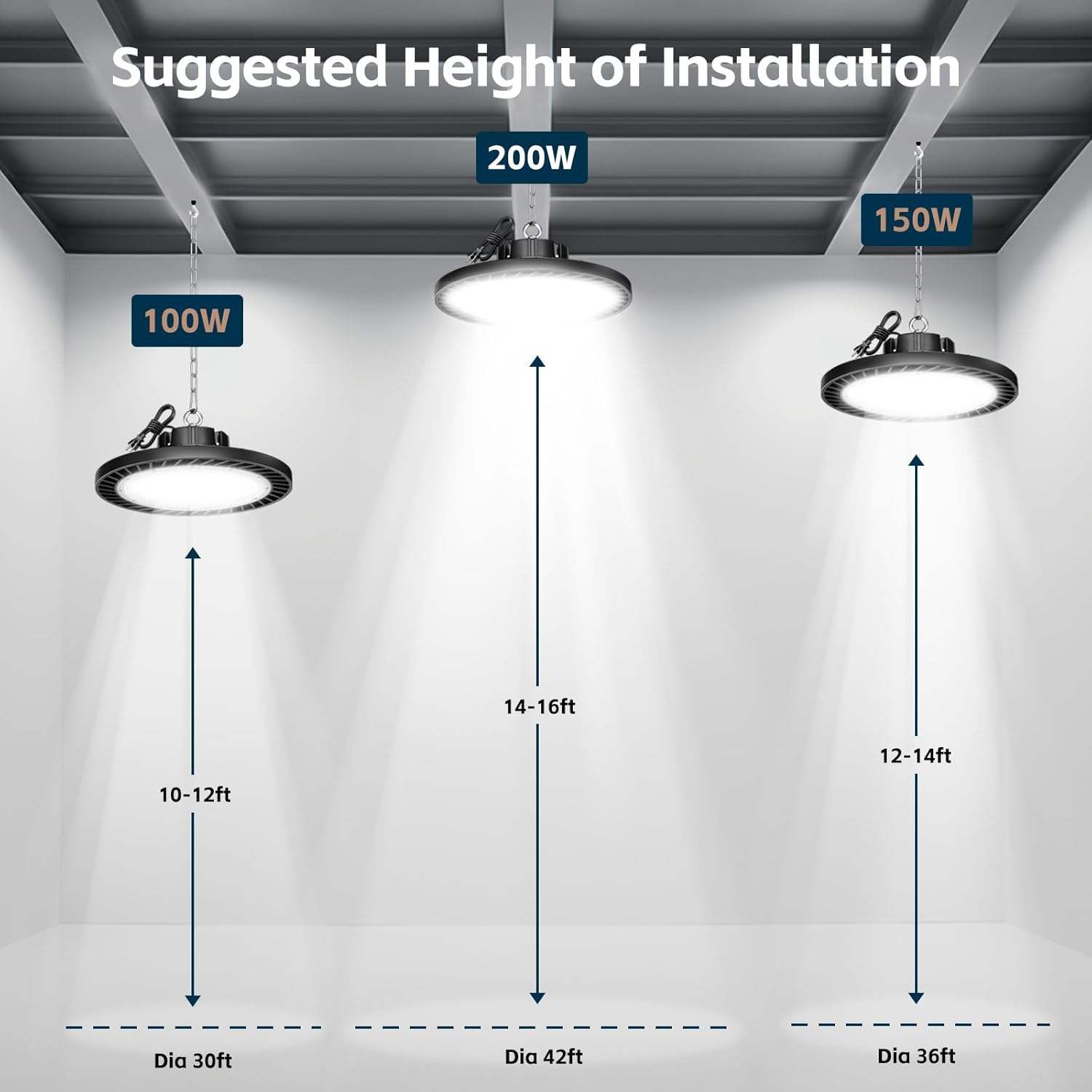
5. Heat Kills LEDs
LEDs run cool, but trapped heat destroys them.
Junction temperature > 85°C = lifespan plummets
- Quality lights: thick aluminum housing, proper heat sink
- Cheap lights: lightweight plastic traps heat inside
If a light feels too light, it probably won't last.
Quick Checklist
| Feature | What to look for |
| Efficacy | ≥ 130 lm/W |
| L70 | ≥ 50,000 hrs |
| CRI | ≥ 80 (≥ 90 for retail/hotel) |
| R9 | ≥ 50 for high CRI |
| Flicker | IEEE 1789 compliant |
| Warranty | ≥ 5 years |
| Reports | IES LM-79 available |
Bottom Line
Cheap LEDs cost more in the long run. Paying a little more for quality buys you years of reliable light, lower electricity bills, and happy customers.
Choose efficiency, color quality, and proper thermal design. Everything else is just marketing.