Managing Heat in LED Lighting: A Comprehensive Guide
LED technology has revolutionized the lighting industry with its exceptional energy efficiency, long lifespan, and cost-effectiveness. While LEDs produce significantly less waste heat than traditional lighting like incandescent bulbs, effective heat management remains a critical challenge, especially for high-power fixtures such as floodlights and high bays. Without proper dissipation, accumulated heat can severely degrade light output and shorten the operational life of the LED.
Why LED Heat Management is Crucial
The core of an LED is a semiconductor that generates light when electrical current passes through it. However, not all energy is converted to light; a portion becomes heat. Unlike incandescent bulbs that radiate heat away, LEDs produce heat at their core, or "junction." This heat must be conducted away from the semiconductor die to prevent overheating.
The key metric here is junction temperature. When the junction temperature rises too high, it leads to:
Reduced Light Output: The LED becomes less efficient, producing less light for the same amount of power.
Color Shift: The quality and color temperature of the light can change.
Shortened Lifespan: High temperatures accelerate the degradation of the LED components, causing premature failure.
Therefore, the primary goal of thermal management is to keep the junction temperature as low as possible.
Key Components of an LED Fixture and Their Role in Heat Dissipation
A typical LED fixture consists of several key components that form the "thermal path" for heat to travel away from the LED chip:
LED Package: This includes the semiconductor die (the light source), phosphor (for color conversion), and the substrate it's mounted on.
Printed Circuit Board (PCB): The LED package is soldered onto the PCB, which provides electrical connections. The PCB's material is vital for spreading the heat.
Thermal Interface Material (TIM): This is a layer of thermally conductive grease or pad that fills microscopic air gaps between the PCB and the heat sink, ensuring efficient heat transfer.
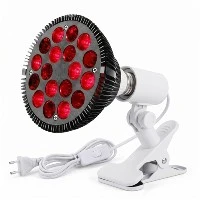
Heat Sink: This is the most visible part of the cooling system. It is a passive component, typically made of aluminum, with fins that increase its surface area. It absorbs heat from the PCB and dissipates it into the surrounding air through convection (airflow), conduction (through the material), and radiation.
Thermal Design Strategies to Reduce Heat
To effectively manage heat, LED fixture manufacturers employ a combination of the following design strategies:
1. Optimized LED Layout and Packaging
Spacing: Packing LEDs too closely on a PCB increases thermal density, leading to hotspots. Manufacturers follow spacing guidelines to ensure even heat distribution.
LED Module Type:
COB (Chip-on-Board): Multiple LED chips are packaged together on a single substrate, allowing for high-density light output and direct attachment to a heat sink. This is efficient for compact, high-power designs.
MCOB (Multiple Chip-on-Board): Takes COB a step further by integrating multiple COB arrays on a single plate, further improving efficacy and thermal performance.
Flip-Chip COB: This advanced design mounts the LED chip directly onto the submount, improving heat transfer efficiency by up to 70% compared to standard SMD LEDs.
2. Advanced Printed Circuit Board (PCB) Materials
The PCB is a critical link in the thermal chain. Common materials include:
FR-4: A standard, low-cost fiberglass material with poor thermal conductivity. Suitable only for low-power LEDs.
Metal Core PCB (MCPCB): Features a base layer of aluminum or copper, which are highly thermally conductive. MCPCBs are the preferred choice for high-power LEDs as they effectively draw heat away from the components.
3. Efficient Heat Sink Design
The heat sink's design directly impacts its ability to dissipate heat.
Material: Aluminum alloys are most common due to their excellent balance of thermal conductivity, weight, and cost.
Surface Area: Fins, pins, or other complex geometries maximize the surface area exposed to air, enhancing convective cooling.
Orientation: Heat sinks are designed to work with natural convection currents; proper orientation in the fixture is essential for optimal airflow.
4. Active Cooling Systems
For very high-power applications where passive cooling is insufficient, active systems are used:
Fans: Integrated fans force air over the heat sink, dramatically increasing heat dissipation. Common in high-performance stadium lights or industrial luminaires.
Liquid Cooling: A more advanced system where a coolant circulates through a cold plate attached to the LEDs, carrying heat to a remote radiator. This offers superior cooling performance for the most demanding applications.
Conclusion
The performance and longevity of an LED lighting system are intrinsically linked to its operating temperature. A well-executed thermal management system is not an optional extra but a fundamental requirement for a reliable product. By carefully considering factors like materials, component layout, and heat sink design, manufacturers can create LED fixtures that maintain a low operating temperature, ensuring maximum light output, color stability, and a long, productive lifespan. For the end-user, choosing LEDs from reputable brands that prioritize robust thermal design is the key to a worthwhile investment.