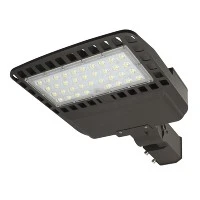
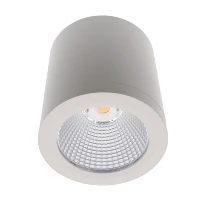
Backyard lighting is crucial for both practicality and beauty. The correct lighting can make all the difference, whether you're having a BBQ, lounging with family, or making sure your house is safe and secure.
Because of its extreme brilliance and broad coverage area, flood lights in particular are a popular option for lighting vast outdoor locations.
It might be difficult to decide which lighting will best suit your needs with the vast array of options available on the market. Therefore, we'll go over all you need to know to make an informed choice, whether you're looking to boost protection or enhance the atmosphere of your garden.
We'll examine several kinds of flood lights, their salient characteristics, and crucial elements to take into account before making a purchase. By the end of this blog, you'll be equipped with the knowledge to choose the brightest flood light for your backyard and transform your outdoor area into a well-lit, secure, and inviting space.
Understanding Backyard Flood Lights
The meaning and use of floodlights in backyards
Broad-beamed, high-intensity lights called backyard flood lights are used to light up expansive outdoor spaces. Their main goal is to supply adequate illumination for a number of uses, such as increasing safety, visibility, and aesthetic appeal in your garden. These lights are perfect for outdoor events, activities, and security since they can effectively cover large areas with a strong, concentrated beam.
Flood Light Types for Backyard Environments
There are various kinds of flood lights to pick from when designing your backyard, each with special advantages and traits:
Floodlights with LEDs
LED flood lights are renowned for their exceptional brightness, extended longevity, and energy efficiency. They are an economical and environmentally friendly solution because they use a lot less power than conventional lighting options.
Additionally, LED flood lights come in a variety of color temperatures, so you may choose the ideal shade to go with your outdoor area. Additionally, they offer immediate illumination without the need for a warm-up period that many other kinds of lights demand.
Floodlights with Halogen
A more conventional choice, halogen flood lights are renowned for producing powerful, bright light. They provide a high-quality light that closely mimics natural daylight by heating a tungsten filament within a bulb filled with halogen gas.
Halogen floodlights are typically less expensive up front, but they use less energy and last less time than LED alternatives. They continue to be a popular option for people who like bright, warm light.
Floodlights Powered by Solar
For environmentally aware homeowners who want to lower their carbon footprint and save money on energy, solar-powered flood lights are a great option. Through solar panels, these lights capture solar energy, which is then stored in rechargeable batteries for usage at night.
Solar-powered flood lights are a practical and environmentally friendly choice because they are simple to install and require no upkeep. They are especially helpful in places where installing electrical wiring could be expensive or difficult.
Knowing the benefits and best applications of each flood light type will enable you to choose the one that best suits your requirements and tastes. Whether cost-effectiveness, energy efficiency, or ease of installation are your top priorities, there is a backyard flood light that will meet all of your needs.
Key Features to Look for in Backyard Flood Lights
Brightness Levels and Lumens
The total quantity of visible light that a source emits is measured in lumens. The lumen rating is an important factor to take into account when choosing flood lights for your backyard because it will decide how brilliant the light is.
Higher lumen values often indicate brighter light in outdoor settings, which is crucial for sufficiently lighting sizable regions. For typical backyard lighting, look for flood lights with at least 700 to 1300 lumens; bigger areas or regions that need more intense illumination may require lights with 2000 lumens or more.
Angle of Beam and Coverage
The dispersion of light emitted by a flood light is determined by its beam angle. For big, open areas in your garden, a broader beam angle (such as 120 degrees) covers a greater area.
Narrower beam angles (such as 60 degrees) are ideal for emphasizing specific features or improving security around access points since they concentrate light more fiercely on a single area. To select a flood light with the right beam angle, evaluate the design of your backyard and your lighting requirements.
Light Quality and Color Temperature
Color temperature, which is expressed in Kelvin (K), affects how the light looks and feels. Warm, yellowish light from lower Kelvin values (2700K to 3000K) makes a space feel comfortable and welcoming.
A cooler, bluish light that resembles sunshine and improves sight is emitted by higher Kelvin levels (4000K to 5000K). A color temperature of 3000K to 4000K is frequently chosen for backyard flood lights because it strikes a balance between brightness and warmth.
Sturdiness and Resistance to Weather
Rain, snow, and extremely high or low temperatures are just a few of the weather variables that outdoor lighting must endure. Seek out flood lights composed of sturdy materials that can withstand impact and corrosion, including premium plastic or aluminum. Long-term cost and trouble savings can be achieved by making sure your lights are made to last.
IP Waterproofing Ratings
The degree of dust and water resistance of a light fixture is indicated by its Ingress Protection (IP) rating. It is advised that backyard flood lights have an IP rating of at least IP65 to ensure that they are dust-tight and capable of withstanding low-pressure water jets coming from any angle.
Greater protection is provided by higher classifications, such as IP67, which makes them appropriate for locations that frequently experience heavy rain or where the lights may be briefly submerged.
Costs of Operations and Energy Efficiency
For backyard flood lights, energy economy is crucial, particularly if they will be used regularly or for prolonged periods of time. Compared to halogen or incandescent lights, LED flood lights are the most energy-efficient choice because they use a lot less electricity.
To determine the possible savings, look at the energy rating and projected yearly running expenses. Selecting energy-efficient lights lessens your influence on the environment in addition to lowering your electricity bill.
You can be sure that the backyard flood lights you select will give dependable performance all year long, maximize illumination, and improve the appearance of your outdoor area by concentrating on these important qualities.
Knowing these characteristics will enable you to make an informed and fulfilling decision, whether you're searching for the brightest flood light for your backyard parties or the best flood lights for backyard security.
Backyard Security and Flood Lights
Increasing Backyard Security
An essential component of improving backyard security is flood lighting. By increasing visibility and removing gloomy areas, strategically placed flood lights can discourage would-be burglars. A well-lit backyard deters unwanted access by creating the appearance that the property is occupied and under surveillance.
Having bright floodlights in your backyard can also give you and your neighbors peace of mind and an extra degree of security by enabling you to spot any strange behavior.
Floodlights with Motion Sensors for Secure Backyards
For backyard security, motion sensor flood lights are a great choice. These lights have sensors that can identify movement within a predetermined range, and they will automatically turn on when motion is detected. Intruders may be startled and discouraged from approaching your home by this unexpected illumination.
By just turning on when necessary and not remaining on the night, motion sensor flood lights save electricity. Homeowners who want to increase security without drastically raising energy usage may particularly benefit from this feature.
Floodlights Should Be Placed Strategically for Maximum Security Coverage
The positioning of floodlights has a significant impact on how well they secure your garden. The following advice will help you arrange your floodlights to optimize security coverage:
Entry Points: Place floodlights next to all of your home's windows and doorways. This covers the side gates, the back door, and any other accessible places. It is more difficult for intruders to approach undetected when these areas are illuminated.
Pathways and Walkways: To guarantee safe nighttime transportation, illuminate pathways and walkways. This lowers the possibility of mishaps for you and your visitors in addition to discouraging invaders.
The Yard's boundary: To create a well-lit barrier, place floodlights around the outside of your property. By using this method, intruders are prevented from hiding in any hidden places. For wider coverage, if you have a fence, think about installing lights on the fence posts.
Dark Spots & Blind regions: Locate any blind regions or dark spots in your backyard and light them up. These are probable hiding locations for intruders. Take regular nighttime walks around your home to identify these spots and make any necessary lighting adjustments.
Angles and Height: Install floodlights at a height that offers a broad coverage area and deters tampering. Lighting can be directed where it is most needed and glare can be minimized by angling the lights downward.
You may greatly increase your home's safety and security by adding flood lights to your backyard, especially motion sensor kinds, and arranging them in strategic locations for maximum coverage. The best flood lights for your backyard are ones that bring you a sense of security and peace of mind, efficiently illuminate areas that are susceptible to intrusion, and repel intruders.
How to Choose the Right Backyard Flood Light for Your Space
Evaluating Your Backyard's Lighting Requirements
The area's size
The kind and quantity of flood lights you'll require are largely determined by the size of your backyard. To guarantee thorough coverage, larger areas will need stronger lights with higher lumen output. Take measurements of your backyard and note any important spots that require lighting, such as patios, walkways, and open areas. In order to attain ideal lighting, this evaluation will assist you in choosing the quantity and positioning of floodlights.
The lighting's functions include security, aesthetics, and functionality
Your decision-making process will be aided by knowing the main function of your garden lighting.
Security: To discourage trespassers and light up shadowy places, select strong floodlights with motion sensors. The most effective floodlights for backyard security are ones that emit bright, concentrated light and are motion-activated.
Decoration: Flood lights with programmable color temperatures or those that can produce various lighting effects are a good option if you want to improve the appearance of your backyard. These lights can draw attention to architectural details, gardens, or landscape features, enhancing the ambience and allure of your outdoor area.
Functionality: Choose flood lights with a moderate to high brightness output that offer steady and uniform lighting if function is your goal, such as lighting pathways or outdoor dining areas. For backyard activities, the brightest flood light should be energy-efficient and provide a pleasing light quality that guarantees vision without producing glare.
Considerations for Installation
Consider the available power sources and the ease of installation when selecting flood lights for your backyard.
Wired vs. Wireless: If new wiring is required, installing wired flood lights may require professional assistance. Wired flood lights also require a connection to your home's electrical system. Without the requirement for electrical outlets, wireless options-like solar-powered lights-are simpler to install and can be positioned in different places.
Options for Mounting: Choose whether to place the lights on the ground, walls, fences, or poles. For a safe and simple installation, make sure the selected flood lights include the mounting hardware and instructions.
Budgeting and Cost Analysis
One of the most crucial considerations when choosing backyard flood lights is budgeting. The following are some topics to think about:
Initial Cost: Examine the costs associated with buying various kinds of flood lights. Because of their longevity and energy efficiency, LED flood lights often have a greater initial cost but provide long-term savings.
Operating Costs: Take into account the energy usage and upkeep associated with running the lights. When compared to halogen lights, LED and LED solar lights are typically more affordable over time.
Price vs. Quality: Long-term cost savings can be achieved by investing in high-quality flood lights, despite the temptation to choose less expensive versions. High-quality lights last longer, perform better, and require less upkeep.
added Features: Assess if added features like motion sensors, a remote control, or programmable settings are worth the additional money. These improvements can improve usefulness and convenience while offering greater return on investment.
You may select the best backyard flood lights that satisfy your objectives and turn your outside space into a well-lit, safe, and welcoming location by evaluating your lighting needs, comprehending the lighting's intended use, weighing your installation options, and creating a budget.


http://www.benweilight.com/industrial-lighting/led-flood-light/led-powed-wall-flood-lights.html
Our address
No. 5-3 Niujiao Road, Yanchuan Community, Yanluo Street, Bao'an District, Shenzhen
Phone Number
+86 18659785153
bwzm04@ledbenweilighting.com