Optimizing Blueberry Flower Bud Quality with LED Light: Key Strategies for Higher Yield

As global demand for high-quality blueberries continues to rise, growers are increasingly turning to controlled environment agriculture to maximize yield and extend seasonal availability. A recent study by Li et al. (2025) sheds light on how tailored LED supplemental lighting can significantly improve blueberry flower bud quality-a critical factor influencing fruit set and productivity.
Introduction
In facility-based cultivation, insufficient light during autumn often leads to poor flower bud development in late-season blueberries, limiting yield potential. To tackle this issue, researchers carried out a thorough study to see how different types of LED lights-changing in brightness, color mix, and duration of light-impact photosynthesis, nutrient recycling, and the quality
Research Design
The study used four-year-old 'Liberty' blueberry plants and applied a three-factor, three-level orthogonal experimental design:

Light Intensity: 300 (low), 450 (medium), 600 (high) μmol·m⁻²·s⁻¹
Red:Blue Ratio: 1:3 (low), 1:1 (medium), 3:1 (high)
Photoperiod: 6 h (short), 7.5 h (medium), 9 h (long)
A total of nine treatments were compared against a natural light control (CK). Parameters such as chlorophyll content, photosynthetic rate, nitrogen (N) and phosphorus (P) resorption efficiency, and flower bud weight and morphology were measured.
Key Findings
1. Optimal Conditions for Flower Bud Development
The highest flower bud weight (3.40×10⁻² g), transverse diameter (5.41 mm), and length (6.74 mm) were observed under the following conditions:
Treatment 6: Medium light (450), high R:B ratio (3:1), short photoperiod (6 h)
Treatment 8: High light (600), medium R:B ratio (1:1), short photoperiod (6 h)
These results indicate that shorter photoperiods combined with moderate-to-high light intensity support robust bud formation.

2. Photosynthetic Performance
After three weeks of supplemental lighting, the highest net photosynthetic rate was recorded under low light (300) with low or medium R:B ratios (1:3 or 1:1) and short-to-medium photoperiods (6–7.5 h). This suggests that excessive light intensity is not necessary-and may even be counterproductive-for maximizing photosynthesis during bud development.
3. Nutrient Resorption Efficiency
The most striking finding was the role of nutrient resorption in bud quality. Two weeks after stopping supplemental light, the highest N and P resorption efficiencies were recorded under:
Medium light (450), high R:B ratio (3:1), short photoperiod (6 h)
Notably, N resorption efficiency had a greater impact on bud quality than P resorption or photosynthetic rate. This highlights the importance of internal nutrient recycling in blueberry reproductive development.

4. Correlations with Bud Quality
Statistical analyses revealed that:
Net photosynthetic rate at week 3 positively correlated with bud length
N and P resorption efficiency at week 2 strongly correlated with bud weight, diameter, and length
These relationships confirm that both carbon assimilation and nutrient recycling play vital roles in flower bud formation.
Integrated Recommendation
Based on the combined effects on photosynthesis and nutrient resorption, the most effective LED regimen for improving blueberry flower bud quality is
Light Intensity: 450 μmol·m⁻²·s⁻¹
Red:Blue Ratio: 1:3
Photoperiod: 6 h
This combination balanced energy input with metabolic efficiency, leading to superior bud development without wasteful resource use.
Practical Application with Benwei Lighting
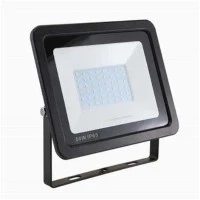
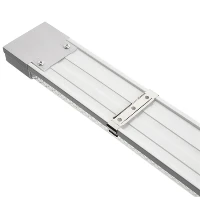
For growers aiming to implement these findings, Benwei Lighting offers advanced LED solutions that can be customized to deliver the exact spectra, intensity, and photoperiods used in this study. Their energy-efficient, full-spectrum LED grow lights are ideal for greenhouse and indoor blueberry production, helping growers achieve higher bud quality and yield consistency.
Contact Information:
Email: bwzm15@benweilighting.com
Website: http://www.benweilight.com/
Conclusion
This study demonstrates that strategic LED lighting not only enhances photosynthesis but also optimizes nutrienresorption-a-a key and often overlooked process in plant development. By adopting tailored LED protocols, blueberry growers can significantly improve flower bud quality and secure higher returns.
References
Li, J., Zhang, Y., Liu, M., Zhou, L., He, D., & Zhang, P. (2025). The Characteristics of Photosynthesis and Nutrient Resorption of Blueberry Under Different LED Supplementary Light Treatments and Their Effects on Flower Bud Quality. Forest Engineering.
https://www.benweilight.com/lighting-tube-bulb/full-spectrum-grow-lights.html
FAQs
Q1. How Can I GeTheseis Samples?
A1: Hi, easy for this. Give me your address and tell me which item you need; we will arrange for it to be sent to you by DHL or FedEx.
Q2: How About Your Quality?
A2: All raw materials are top quality to ensure high luminosity and enough brightness.
Q3: What About The Lead Time?
A3: The sample needs 3 days; mass production time needs 25-40 days receiving the deposit