The Evolution of Light: From Ancient Flames to Modern LEDs

The history of artificial lighting is a fascinating journey through human ingenuity, reflecting our evolving control over energy and materials. This progression can be understood through three key elements: the fuel source, the luminaire (or fixture), and the core technology. From its earliest origins to the modern revolution ushered in by 21st-century LED technology, the story of light is a fundamental part of our history.
The earliest forms of artificial light revolved around open flames. The ancient Egyptians are known to have used candles as early as the fourth century B.C. These early versions were likely made from tallow-a hard, rendered animal fat-and were initially wickless. A significant technological leap occurred when the Greeks and Romans introduced the wick to this design. This simple yet profound innovation allowed for a more controlled, sustained, and slightly brighter burn, representing the most important lighting advancement since the discovery of fire itself. For centuries, candles and oil lamps, fueled by animal fats, plant oils, and later whale oil, remained the primary sources of light, defining illumination through the medieval era and beyond.
The next major shift began with industrialization. Gas lighting, developed in England in the 1790s, quickly spread to the United States, with Newport, Rhode Island, inaugurating the first American gas-lit street in 1792. Within decades, major eastern cities were illuminated by gas networks. This era saw the use of various gases-including methane, acetylene, and eventually natural gas-to fuel lamps in streets, homes, and factories. The proliferation of gas lighting was intrinsically linked to the era's advancements in coal production and petroleum distillation, creating entirely new infrastructure and industries. It dramatically extended the usable hours of the day and began to transform urban nightscapes.
The most transformative revolution, however, was sparked by electricity. While Thomas Edison did not invent the first electric light, his 1879 invention of a practical, long-lasting incandescent bulb with a carbon filament was the breakthrough that made electric lighting viable for the masses. His design provided the necessary technology to establish electricity as the primary power source for indoor and outdoor lighting. Incandescent bulbs, which work by heating a filament until it glows, dominated for decades due to their simplicity and warm light.
The 20th century introduced new electric lighting technologies that offered greater efficiency. Fluorescent lights, commercialized in the 1930s, passed an electrical current through a vapor-filled tube, creating ultraviolet light that then excited a phosphor coating on the inside of the tube to produce visible light. This made them far more efficient than incandescents and ideal for offices and industries. Around the same time, High-Intensity Discharge (HID) lamps were developed. These lamps send a current between two electrodes through a glass chamber filled with gas and metal salts, resulting in very bright light perfect for stadiums, streets, and large areas.
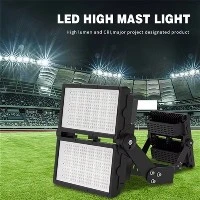
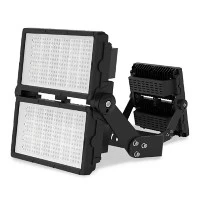
The most significant modern advancement is the Light Emitting Diode (LED). Invented in the mid-20th century but perfected for general lighting only recently, LEDs represent a complete departure from previous technologies. They produce light by moving electrons through a semiconductor material, a process called electroluminescence. This makes them extraordinarily energy-efficient, long-lasting (with lifespans 2-4 times longer than most competitors), and highly controllable. Modern LEDs provide high-quality, customizable light while generating minimal heat, solidifying their status as the defining lighting technology of the 21st century and paving the way for smart, connected lighting systems.