The Evolution of Warm Dimming
People naturally gravitate toward lighting that dims to a warm amber hue. We can all sense it while we enjoy a breathtaking sunset or gather around a campfire.
We'll examine the operation of warm dimming in various light sources, some of the historical issues with warm dimming in LEDs, and new potential to achieve this effect more effectively and efficiently in this article.
Warm dimming: what is it?
The term "warm dimming" describes the progressive transition of a light source from a cooler "daylight white" at higher brightness levels to a warmer, amber color at lower light levels.
In addition to the fact that we find this warm glow to be so alluring, experts like the Dutch physicist Arie Andries Kruithof have worked to establish this theory through their own study.
Why has warm dimming been so difficult for LEDs historically?
The sun and conventional light sources like incandescent lamps are both blackbody radiators. This implies that they completely absorb any radiation that comes their way and, depending on their temperature, produce an equal quantity of radiation.
The resistance qualities of the metal cause the filament of an incandescent lamp to heat up as electrons pass through it. As the temperature increases, the filament gradually starts to emit energy in the visible spectrum and starts to light. It begins as an amber tint and changes to a more neutral white as the temperature rises before becoming blue-white at higher temperatures.
Contrarily, most LEDs maintain their cool color temperature when they dim, creating a cool, muted gray effect as opposed to a warm, amber one. This is due to the fact that LEDs are semiconductor devices rather than incandescent lights' blackbody radiators.
Typically, a blue LED with a yellow phosphor coating makes up a white LED. Blue light from the LED and yellow light produced by the phosphor are combined to form white light. This common white LED merely emits less blue and yellow light as it is dimmed. There is less white light, but it is the same color. As a result, as the light source dims, the color temperature does not change, leaving a flat, colorless dim. This is obviously not the intended outcome when lighting is dimmed to create ambiance.
The Dynamic Spectrum LED system from BENWEI creates a cozy, natural dim.
In contrast to conventional LED lighting, BENWEI creates white light by fusing many saturated red, green, and blue main light sources with a white LED that has been phosphorized. BENWEI's white light can be progressively adjusted to mimic the dimming curve of a conventional light source, such as an incandescent lamp, and move to a more amber color as it is dimmed because we blend the white LED with different amounts of red, green, and blue light. The end result is a warm, natural-looking curve that is dim.
A natural dim cannot be produced by all adjustable LED systems.
When comparing warm dimming LED products, the how is the first thing you need be clear on:
The dimming effect: how does it work?
How many different color or channel combinations make up white light?
Is it a full spectrum or two-channel tunable white system?
Is the light dim or warm?
It's critical to comprehend the distinctions between full spectrum LED systems and tunable white LED systems when comparing the two. Tunable white systems often produce a warm dimming effect by combining two color channels, such as a warm white LED and a cool white LED, even if they have some dimming capacity. One can adjust the color in this situation between two color points, like 5,000K and 2,700K. It is, however, impossible to fall below 2,700K.
The light source must be able to dim to 1,400K or lower in order to get a genuine, natural-looking dim effect. Additionally, the hue must be tweaked as it is dimmed in order to simulate the amber shift, a feature that is exclusive to full spectrum lighting solutions like BENWEI.
With its special calibration, BENWEI keeps its candlelight warmth throughout its lifetime.
Every BENWEI lamp complies with the necessary tuning and linked color temperature standards to emit a cozy candlelight glow. In order to create a single, consistent hue when the light is emitted, our multicolor light source mixes all of the different colored LEDs. In order to produce high quality light that maintains exact color output over its lifetime, including the warmest, most natural dim colours, our patented, intelligent driver chip and LED module addresses the issues of color mixing and color maintenance.
Feature
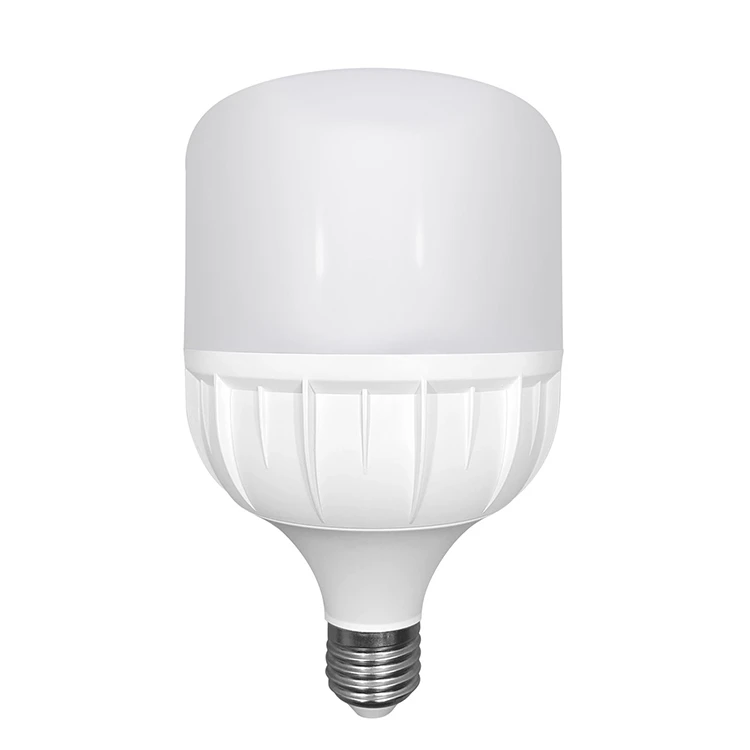
● Energy-saving LED.
● The best possible light distribution is achieved with a full glass enclosure.
● High light output bulbs that can replace 100 Watt incandescent lights are available.
● Warm White light that appears instantly.
● Dimmable.
● A rating life of 15,000 hours on average.
Specification
|
Average Life |
15000 |
|
Colour |
Warm White |
|
Colour Temperature (Degree Kelvin) |
2,700.00 |
|
Dimmable |
Yes |
|
Ideal Rooms |
Living areas, bedrooms & offices |
|
Light Output (Lumens) |
1,350.00 |
|
Light Bulb Base Type |
E27/ES |
|
Voltage (V) |
240.00 |