The Microbial Annihilator: How UVC Light Shatters Pathogens at the Molecular Level
The Photochemical Assassin: DNA/RNA Destruction Mechanism
UVC light (200–280nm) acts as a molecular scalpel, with 254nm being its deadliest wavelength. When photons at this frequency strike microbial DNA/RNA, they are absorbed by nitrogenous bases-particularly adjacent thymine or cytosine molecules. This energy excites electrons, forcing covalent bonds between bases. The result? Thymine dimers (T-T bonds) and other lethal lesions that distort the double helix.
This structural sabotage has catastrophic consequences:
Replication sabotage: DNA polymerase cannot read damaged sequences, halting cell division.
Transcription failure: RNA synthesis stalls, preventing protein production.
Error catastrophe: Error-prone repair mechanisms induce fatal mutations.
Microbes lack mammalian cells' nucleotide excision repair (NER) efficiency. Within seconds of exposure, cumulative damage overwhelms their repair capacity, leading to irreversible inactivation.
Is 254nm a Universal Pathogen Killer? Evidence vs. Myths
While 254nm UVC is exceptionally broad-spectrum, its efficacy varies by pathogen type and structure:
| Pathogen Type | Vulnerability to 254nm | Key Factors Influencing Efficacy |
|---|---|---|
| Bacteria (E. coli, Salmonella) | Extremely High (99.9% log reduction at 10-40 mJ/cm²) | Thin cell walls, minimal DNA protection |
| Viruses (SARS-CoV-2, Influenza) | High (90-99% reduction at 10-20 mJ/cm²) | Capsid size affects photon penetration |
| Molds/Spores (Aspergillus) | Moderate-High | Dense spore coats require higher doses (50-100 mJ/cm²) |
| Protozoa (Cryptosporidium) | Low-Moderate | Thick oocyst walls shield DNA; requires 100+ mJ/cm² |
Critical Limitations:
Shielding Effects: Biofilms, turbid water, or particle-embedded microbes block UVC penetration.
Photoreactivation: Some bacteria (e.g., Pseudomonas) can repair damage under visible light.
Wavelength-Sensitive Targets: Adenovirus requires <270nm for optimal kill, while fungal spores respond better to 265–268nm.
Beyond DNA: Secondary Damage Mechanisms
UVC's lethality extends beyond genetic sabotage:
Protein denaturation: 254nm photons break disulfide bonds and oxidize amino acids, crippling enzymes.
Membrane peroxidation: UVC generates reactive oxygen species (ROS), rupturing lipid bilayers.
tRNA fragmentation: Disables protein synthesis machinery independently of DNA damage.
These multi-target attacks explain why resistant pathogens like Bacillus spores still succumb at sufficient doses.
Engineering Real-World Solutions
Harnessing 254nm effectively requires overcoming practical challenges:
Dosage Precision: Water treatment systems use flow controls to ensure ≥40 mJ/cm² exposure.
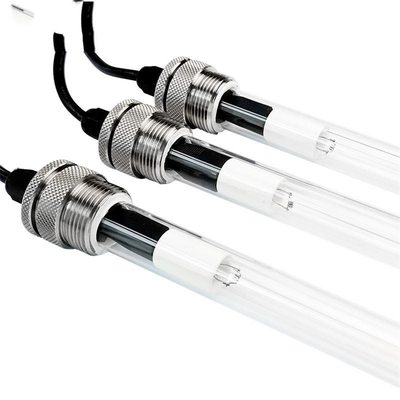
Material Science: High-purity quartz sleeves maximize UV transmission (>90%).
Shadow Management: Rotating/multi-lamp designs eliminate死角 in air disinfection.
Safety Mitigation: Motion sensors and fail-safe cutoffs prevent human exposure.
The Verdict
UVC at 254nm remains the gold standard for germicidal applications due to its unparalleled DNA/RNA targeting efficiency. While not equally lethal to all pathogens-especially those with protective structures or repair mechanisms-it achieves >99% inactivation against most bacteria and viruses at practical doses. Emerging technologies like 222nm Far-UVC may address limitations, but 254nm's cost-effectiveness and proven track record ensure its dominance in sterilization science.