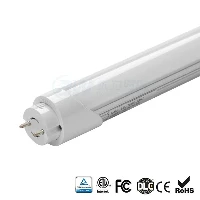
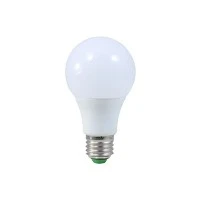
Energy saving is always the top selling point of LED lighting, but many buyers remain skeptical about its actual power-saving effect. Some think LED's energy-saving advantage is just marketing hype, while others cannot figure out the exact electricity cost gap between LED and traditional lights. In fact, LED energy-saving performance is not exaggerated, but its power-saving ratio has clear, verifiable data based on real working conditions. The core advantage of LEDs lies in low heat loss and high photoelectric conversion efficiency. This article reveals the real electricity-saving data of LED lights, with an intuitive energy consumption comparison chart and detailed cost comparison table, helping commercial project buyers calculate accurate long-term energy-saving returns.

Core Reason Why LEDs Save Far More Power
The essential energy-saving gap comes from different light-emitting principles. Traditional lighting products including incandescent bulbs, halogen lamps and fluorescent tubes generate massive heat during operation. More than 90% of electric power is wasted as thermal energy instead of visible light. As semiconductor light sources, LEDs produce light through electron movement without heating filaments. They convert over 85% of electricity into usable light, with only minimal power turned into heat. This fundamental efficiency difference creates a huge gap in daily and annual power consumption.
Visual Chart: Daily Power Consumption Comparison (Same Brightness)
All lamps below are adjusted to the same brightness (800 lumens, standard indoor ambient brightness), showing intuitive daily power consumption gaps:
The chart clearly shows that to reach identical brightness, LED lights consume the least electricity every single day. A standard 10W LED only uses 0.1 kWh per 10 hours, while a traditional 60W incandescent bulb consumes six times more power. It directly proves that LED energy saving is not a marketing slogan, but a real data-backed advantage.
Full Comparison Table: Power Consumption, Lifespan and Annual Cost
This comprehensive table compares four mainstream lighting types from power wattage, service life, daily power use and annual electricity cost. The calculation is based on 10 hours of daily operation and a commercial electricity price of $0.12 per kWh, matching real commercial project usage scenarios:
|
Lighting Type (Same Brightness) |
Rated Wattage |
Average Lifespan |
Annual Power Usage |
Annual Electricity Cost |
Total Cost Saving vs LED |
|---|---|---|---|---|---|
|
Incandescent Bulb |
60W |
1,000 hours |
219 kWh |
$26.28 |
LED saves 83% electricity |
|
Halogen Lamp |
50W |
3,000 hours |
182.5 kWh |
$21.90 |
LED saves 78% electricity |
|
Fluorescent Tube |
18W |
10,000 hours |
65.7 kWh |
$7.88 |
LED saves 45% electricity |
|
LED Light |
10W |
50,000 hours |
36.5 kWh |
$4.38 |
Benchmark |
Two Common Misunderstandings About LED Energy Saving
Many buyers misunderstand LED energy-saving performance due to incorrect comparison methods. The first mistake is comparing lights with the same wattage instead of the same brightness. A 10W LED is far brighter than a 10W fluorescent lamp, so matching brightness rather than wattage is the only fair comparison standard.
The second misunderstanding is ignoring extra hidden costs. Beyond electricity bills, traditional lights need frequent replacement due to short lifespan, bringing extra procurement cost, labor maintenance cost and replacement downtime loss. LEDs require almost no replacement for 5 years or longer, cutting both power bills and maintenance expenses comprehensively.
Real Return of Large-Scale LED Retrofit Projects
For commercial spaces such as supermarkets, warehouses, office buildings and retail stores equipped with hundreds of lamps, the overall energy-saving benefit is extremely obvious. Taking 100 lamps running 10 hours daily as an example, replacing incandescent bulbs with LEDs can save over $2,190 in electricity fees alone every year. After adding reduced replacement and labor costs, most LED renovation projects can recover the extra procurement cost within 1.5 to 2 years, bringing pure cost savings for the rest of the lamp service life.
Conclusion
LED energy saving is not exaggerated marketing, but a real advantage supported by accurate data. Compared with traditional lighting, LEDs save 45% to 83% electricity under the same brightness, accompanied by ultra-long service life and lower maintenance costs. The actual energy-saving effect varies slightly based on driver quality and heat dissipation performance, but high-quality commercial LEDs always deliver stable and considerable power-saving benefits. For long-running commercial and industrial lighting systems, switching to qualified LED lights is still the most reliable and cost-effective energy-saving renovation solution.