A new year, a new you? What about fresh lighting? Lighting is more than just being able to see in the dark in 2026. It has to do with how your house feels, works, and changes to fit your way of living.
RGB and CCT LED lighting have taken center stage as smart homes, adaptable living areas, and design-driven interiors have become more popular. Why? using a voice command (more on that later) or a tap in an app, homeowners may adjust color, brightness, and mood using these lighting technologies.
This book explains how these lighting options operate, why they are predicted to take over contemporary houses in 2026, and how to apply them across your space in a smart, fashionable, and useful way. Are you prepared to reinvent house lighting in 2026? Let's get started.
Why RGB and CCT LEDs Will Revolutionize Homes in 2026
In order to comprehend why RGB and CCT LEDs are evolving from luxuries to necessities, it is helpful to start with the fundamentals and provide an answer to the question: What are they?
RGB LEDs produce a wide range of colors by combining red, green, and blue light. They all revolve around mood, personality, and inventiveness. Imagine mood-changing color sceneries, immersive media rooms, and vivid accent lighting.
White light from Correlated Color Temperature (CCT) LEDs can be adjusted. They let you change the temperature of the light, usually from warm white (2700K) to cold white (6500K). They are therefore perfect for daily living, task lighting, and areas that prioritize wellbeing.
Static, one-tone lighting schemes are being replaced in homes with RGB and CCT lighting. Instead, lighting becomes sensitive and dynamic, facilitating everything from socializing and entertainment to productivity and rest.
From a design standpoint, these LEDs will undoubtedly fit in well with 2026 trends: multipurpose spaces, open-plan living, and wellness-focused interiors all call for lighting that can change with the times of day.
It is evident why RGB and CCT LEDs are at the forefront when you consider the rising demands for energy efficiency and sophisticated control.
Advantages That Go Beyond Beauty
Although color-changing lighting has an appealing appearance, RGB and CCT LEDs are more valuable than that.
One major benefit is energy efficiency. Compared to conventional incandescent or halogen lighting, LED technology uses a lot less energy. This is further improved by smart controls, which minimize wasteful use through automation, scheduling, and dimming (e.g. dimmable downlights).
A long lifespan reduces maintenance and the need for replacements. With a lifespan of 25,000 to 50,000 hours, high-quality LED products are a prudent long-term investment for hectic homes.
Everything is connected by clever integration. The majority of contemporary RGB and CCT LEDs are compatible with voice assistants, smart hubs, and apps. You can create one-touch scenarios that rapidly alter the mood of a space, make routines that follow your day, and modify lighting from your phone.
Adapting White Light for Every Situation Using CCT LEDs
The cornerstone of a well-lit home is CCT lighting. How? Instead of emphasizing how colorful white light seems, it emphasizes how it feels. Depending on the activity or time of day, you can vary between warm, natural, and cool tones with tunable white.
Cool white looks clear and invigorating; natural white feels balanced and, well, natural; and warm white produces a gentle, reassuring warmth.
Did you know that a room's color temperature has a direct impact on how you feel?
Warmer tones are perfect for evenings and relaxation because they aid in the body's winding down. Cooler hues are ideal for mornings and areas that require a lot of work (like as kitchen countertops) since they promote concentration and alertness.
Practically speaking, CCT LEDs illuminate the entire house:
Cooler or neutral whites improve visibility and accuracy in kitchens during food preparation. A warmer tone immediately softens the dining area as twilight falls.
Flexible white is ideal for living spaces. Warm white in the evening promotes relaxation, while natural daylight keeps the space feeling airy.
Warm CCT settings are ideal for bedrooms. Before going to bed, soft, amber-leaning whites assist create a relaxing ambiance and signify relaxation.
Useful Advice for CCT Placement
Placement is just as important as color temperature when it comes to maximizing the benefits of adjustable white lighting.
When clarity is crucial, use CCT LED task lighting. White tones that may be adjusted are useful for bathroom mirror lights, desk illumination in home offices, and under cabinet lights in kitchens.
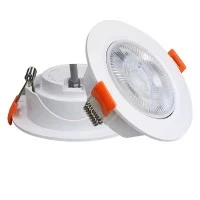
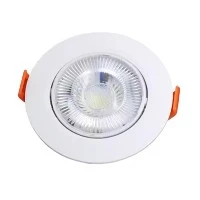
Use uniformly distributed ambient illumination to counterbalance this. You can set the overall tone without excessive glare by using wall washers with CCT control or ceiling downlights.
What can you pair for maximum versatility, by the way? dimmers.
A space can be made to feel soft and cozy or bright and utilitarian by adjusting the color temperature and brightness.
RGB LED Lighting for Changing Mood and Color
RGB lighting gives a house personality. RGB is about expression and pleasure, whereas CCT is about comfort and functionality. Accent lighting that draws attention to details, adds depth, or creates a certain mood is made possible with full-color LEDs.
Modern RGB systems today provide rich, saturated hues, delicate pastels, and seamless color transitions-all of which can be controlled in a matter of seconds because to ongoing advancements in lighting technology.
Interactive lighting is one of the most anticipated trends for 2026. RGB LEDs react in real time to visual and aural signals and can sync with games, movies, or music. As a result, living areas are transformed from static rooms into immersive settings.
Typical uses include:
RGB LED strips behind TVs generate a cinematic glow and lessen eye strain in media walls.
Shelving and display units, highlighting decor and collectibles with color.
Details like coving and ceilings with concealed fixtures give depth and drama.
Party settings, where vibrant color scenes enliven social events.
Color Psychology in Your House
Color and psychology go hand in hand. Different colors have an impact on how a room feels and how people act in it. Similar to how pink is thought to lessen anxiety and anger.
Reds and gentle yellows are examples of warm hues that encourage coziness and closeness. In the evening, they look great in dining rooms and lounges. Calm and concentration are promoted by cool blues and greens. These hues work well in baths, bedrooms, and peaceful reading areas.
RGB LED lights give you access to millions of colors, but that doesn't mean you have to use them all. The secret to success is self-control.
Limiting the palette is the greatest way to mix colors. Wherever possible, use one or two prominent colors and allow white or neutral light do the hard lifting. This maintains the design feeling deliberate rather than disorganized and prevents overpowering the space.
RGB and CCT LED Combination for Optimal Versatility
When RGB and CCT lighting are combined, the true magic occurs. With hybrid setups, you can have expressive color and useful white light without sacrificing either.
Consider the kitchen as an example. Food preparation and cleaning can be done with CCT downlights, and in the evening, atmosphere can be added with RGB LED under cabinet strips or neon flex. The space may be easily transformed from a useful workstation to a gathering place.
RGB accents behind shelves or surrounding a media wall add depth and emotion, while CCT lighting creates a cozy ambient light in living rooms. One room, several personalities.
Warm CCT lighting is ideal for relaxing in bedrooms, especially when combined with subdued RGB highlights that provide interest without interfering with sleep. A hotel-inspired atmosphere can be created by using soft colors along coving or behind a headboard.
LED Lighting Layering for a Businesslike Appearance
What distinguishes professional, design-led rooms from ordinary lighting is layering. To determine overall brightness, start with ambient lighting. Then, where activities require concentration, add task lighting. To add flair and draw attention to features, finish with accent lighting.
The best places for layered lighting are coving, ceiling recesses, and under-cabinet strips. These arrangements maximize the impact of light sources while keeping them covert.
A neat, polished appearance can be obtained by using aluminum channels and profiles. They guarantee that installations appear purposeful rather than impromptu, diffuse the light, and shield the LEDs.
Automation and Intelligent Controls for Homes in 2026
You no longer need to manually switch and adjust your lights. The new engine driving contemporary lighting is smart control. Homeowners in 2026 anticipate that lighting will automatically adjust instead of needing to be manually adjusted all the time.
Voice assistants, smart hubs, and mobile apps are all simply integrated with RGB and CCT LEDs. This makes it easy to control individual lights, entire rooms, or scenes of the entire house.
Automation makes lights come to life:
Morning rituals that help you wake up include progressively increasing brightness and changing from warm to cool white.
movie nights with RGB backlighting and CCT light dimming.
sceneries for dinner that add warm tones and reduce light levels.
The advantages extend beyond ease of use. Automated lighting guarantees that your house always feels pleasant, promotes wellbeing, and uses less energy. a triple benefit of all that contemporary, energy-efficient lighting has to offer.
Scenes and Timetable Simpled
Scenes make complexity easier to understand. Multiple lights may change color, brightness, and temperature all at once with a single swipe.
Pre-programmed routines can be used for entertainment, concentration, or relaxation.
Parties are made more exciting by dynamic effects.
Static scenes, on the other hand, promote peaceful evenings.
Another developing trend is seasonal scheduling. While warmer tones in winter provide a sense of coziness during the darker months, cooler whites in summer appear light and airy. Did we also mention that once you set them, they happen automatically?
Typical Mistakes to Avoid
When utilized improperly, even the best lights might let you down.
1. Steer clear of overusing RGB lighting in utilitarian spaces where clarity is most important, such restrooms and kitchens.
2. Verify the compatibility of smart components. Combining poorly communicating hubs or controllers results in irritation and failure.
3. Don't disregard brightness settings. When the light output is suitable for the room, color looks its best.
4. In regions that are prone to dampness, always take IP ratings into account. Water and humidity protection is necessary for bathrooms and nearby outdoor areas.
Use RGB and CCT LEDs to Future-Proof Your Home
LED lighting with RGB and CCT offers a potent blend of style, energy efficiency, and adaptability. They enable homes to change, react, and develop in response to shifting demands and preferences.
You may create trendy, cozy, and uniquely personal places in 2026 by carefully designing the lighting in each area and mixing white and color light. Lighting has evolved from a decorative element to a necessity as the new year draws near. In daily life, it is a key component of design.