UV Light For Plants

In 2025, as global growers-from home gardeners nurturing houseplants to commercial farms producing high-value crops like tomatoes and cannabis-seek ways to boost plant health and quality beyond basic sunlight or full-spectrum LED lighting, UV Light For Plants has emerged as a transformative tool. Unlike standard grow lights that focus solely on visible light (400–700nm), UV plant lights emit ultraviolet radiation-specifically UVA (315–400nm) and UVB (280–315nm), the two bands safe and beneficial for plants. UVA light stimulates photosynthesis and enhances pigment production, while UVB triggers the synthesis of protective compounds (like flavonoids and antioxidants) that strengthen plants against pests, diseases, and environmental stress. Whether used as a supplement to natural light or as part of a fully indoor growing system, UV Light For Plants bridges the gap between "surviving" and "thriving" for crops, delivering tangible benefits: stronger stems, richer colors, higher nutrient content, and better resistance to harsh conditions.
What makes UV Light For Plants indispensable is its ability to replicate the natural UV exposure plants receive outdoors-exposure often lost in indoor growing setups (due to glass filtering out UV rays) or reduced in greenhouses (from UV-blocking films). In nature, UV light acts as a "signal" for plants to build defenses: for example, UVB prompts the production of resveratrol in grapes (a compound linked to human health benefits) and THC in cannabis (a key cannabinoid for medicinal and recreational use). A 2024 study by the Journal of Plant Physiology found that lettuce grown with 2 hours of daily UVB supplementation had 45% higher antioxidant levels and 30% more vitamin C than lettuce grown without UV light. For commercial growers, this translates to crops with premium market value-grocery stores and health-focused brands often pay 20–30% more for nutrient-dense produce. For home gardeners, it means growing more resilient houseplants (like succulents or orchids) that are less prone to root rot or pest infestations, and edible crops (like microgreens or herbs) with bolder flavors.
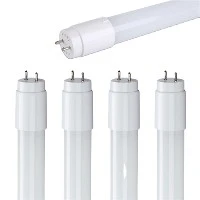
The versatility of UV Light For Plants extends across crop types and growing scales, making it suitable for diverse user needs. For home gardeners, compact, plug-and-play UV bulbs (compatible with standard grow light fixtures) are ideal for small setups: a 10W UVA/UVB bulb can supplement a windowsill herb garden or a 2x2ft grow tent, requiring just 1–2 hours of daily use (to avoid overexposure). A home grower in Canada, for instance, uses a UV light to supplement their indoor tomato plants-reporting that the fruit ripened 15% faster and had a sweeter, more complex flavor compared to previous harvests without UV. For urban farmers and small-scale commercial growers, 20W–50W UV panels (designed to pair with full-spectrum LED lights) work well in 3x3ft to 4x4ft grow tents, supporting crops like microgreens, strawberries, or medicinal herbs. These growers often highlight "UV-enhanced" as a selling point, attracting customers willing to pay more for nutrient-rich products.
Large commercial farms and greenhouses rely on high-power UV Light For Plants systems (100W–200W) to cover entire growing beds, integrating them into automated lighting schedules. For example, a tomato farm in the Netherlands uses UVB lights for 2 hours each morning, resulting in plants with thicker cuticles (reducing water loss and fungal infections) and fruit with higher lycopene content (a carotenoid that gives tomatoes their red color and health benefits). The farm reported a 18% reduction in pesticide use (thanks to stronger plant defenses) and a 25% increase in sales to health food retailers. UV light also benefits ornamental plants: nurseries growing roses or lilies use UVA light to enhance flower color-roses develop deeper red hues, and lilies have more vibrant white petals-making them more appealing to florists and consumers.

Energy efficiency and safety are key advantages of modern UV Light For Plants, addressing past concerns about high energy use and harmful radiation. Unlike outdated UV lamps (which wasted energy on unwanted UVC radiation, harmful to plants and humans), today's models emit only UVA and UVB, with 90% of energy converted into usable light. A 20W UV plant light running 2 hours daily costs just \(0.18 per month (based on \)0.15/kWh: 20W × 2h × 30 days × $0.15/kWh), making it affordable for regular use. Safety features like shatterproof glass and built-in timers (to prevent overexposure) further reduce risks: overexposure to UVB can cause leaf browning, so timers ensure plants get just the right amount-1–2 hours daily for most crops, 30 minutes for sensitive varieties like spinach. Additionally, most UV Light For Plants models are RoHS-compliant, free of hazardous materials like mercury (unlike old fluorescent UV bulbs), making them safe to handle and dispose of.

For international trade buyers, UV Light For Plants meets critical compliance standards to ensure smooth cross-border sales-essential for accessing global markets. It carries CE certification, mandatory for the European Economic Area (EEA), which confirms it meets safety and electromagnetic compatibility (EMC) rules (no interference with other growing equipment like irrigation systems or humidity sensors). FCC approval is required for sales in the U.S., guaranteeing no radio frequency disruption. RoHS compliance restricts hazardous materials, making it eligible for sale in markets with strict environmental laws (EU, China, Japan). Many models also have UL or TUV certifications, validating their safety for residential and commercial use-critical for buyers concerned about consumer trust. Additionally, the lights support global voltage (100V–277V AC), eliminating the need for buyers to stock different versions for regions with 110V (U.S., Canada) or 220V (EU, Asia) power grids-simplifying inventory management and reducing shipping costs.
When selecting UV Light For Plants, buyers should focus on three key factors to maximize benefits and avoid mistakes. First, UV band ratio: look for models with a UVA:UVB ratio of 10:1 to 20:1-this mimics natural sunlight and prevents UVB overexposure. Avoid models with only UVA (missing the key protective benefits of UVB) or high UVB levels (which can damage plants). Second, power and coverage: home gardeners need 10W–20W models (covering 1–2 square meters), while commercial growers need 50W–200W models (covering 3–10 square meters). Third, compatibility: choose UV lights that work with existing grow light setups (e.g., bulbs that fit standard E26 sockets or panels that daisy-chain with LEDs) to avoid extra equipment costs. Common mistakes to avoid include overusing UV light (leading to leaf damage) and using UV lights as a replacement for visible light (UV is a supplement, not a substitute-plants still need full-spectrum visible light for photosynthesis).
In conclusion, UV Light For Plants is more than just an add-on to traditional growing setups-it's a strategic tool for boosting crop quality, resilience, and market value. Its ability to enhance nutrient content, strengthen plant defenses, and improve color makes it a must-have for growers worldwide, from home gardeners to large commercial farms. For international trade buyers, its global compliance, energy efficiency, and safety features make it a high-demand product in fast-growing markets like organic agriculture and medicinal plant cultivation. Whether growing edible crops, ornamental plants, or medicinal herbs, UV Light For Plants proves that small additions to lighting can yield big results-helping plants reach their full potential, no matter the growing environment.
FAQ
Any question or wanna send an inquiry!
Q1. How soon is the lead time?
A: For sample order, 7-17 days if no stock. For bulk order, 15-30 days.
Q2. Can your products' label, packaging, design be customized?
A: Yes, we offer customization service on these.
Q3. How can we guarantee quality?
A: Always a pre-production sample before mass production; Always final Inspection before shipment.
Q4. How do you ship the goods and how long does it take to arrive?
A: We usually ship by DHL, UPS, FedEx or TNT. It usually takes 3-5 days to arrive. Airline and sea shipping also optional.
Q5. What is your payment way?
A: Paypal / Visa / Western Union / online transfer / apply pay / T/T all works for us for payment.
https://www.benweilight.com/lighting-tube-bulb/uv-light-for-plants.html
Together, we make it better.
Shenzhen Benwei Lighting Technology Co.,Ltd
Mobile/Whatsapp :(+86)18673599565
Email:bwzm15@benweilighting.com
Skype: benweilight88
Web: www.benweilight.comhttp://www.benweilight.com
Add:F Building,Yuanfen Industrial Zone,Longhua,Bao'an District,Shenzhen, China