What is an "Explosion-Proof Lamp"? Debunking the Myth and Unveiling the Engineering
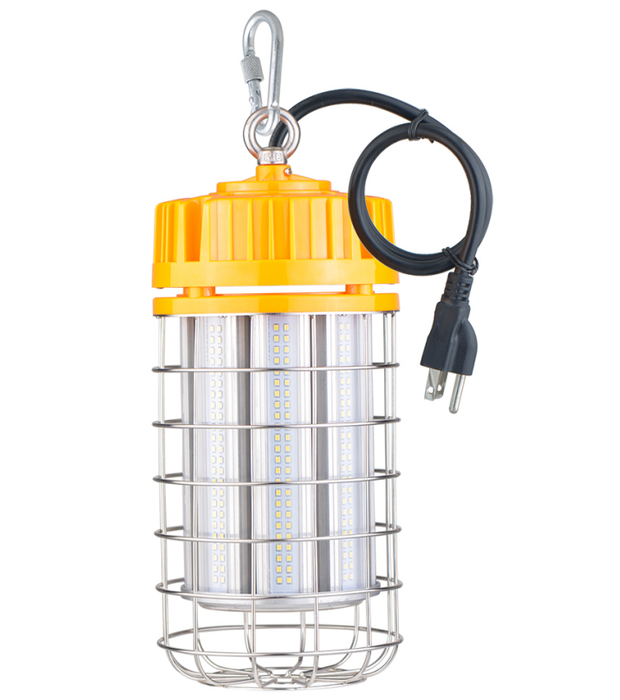
If you've ever heard the term "explosion-proof lamp," you might have pictured a light bulb with an indestructible shield, designed to contain a violent internal explosion. While this image is compelling, it's not entirely accurate. The truth is both more nuanced and far more ingenious.
So, what is an explosion-proof lamp? In short, it is not primarily designed to prevent the bulb from exploding. Instead, its core mission is to prevent the lamp itself from igniting a specific, hazardous atmosphere surrounding it.
This blog will dive deep into the world of explosion-proof lighting, clarifying what it is, how it works, the critical standards that govern it, and why it's a cornerstone of safety in countless industries.
The Core Misconception: Containing an Explosion vs. Preventing One
Let's clear up the primary misconception right away:
Common Myth: An explosion-proof lamp is built to withstand and contain the force of its own internal bulb or component exploding.
Reality: An explosion-proof lamp is engineered to prevent an external explosion from occurring. It achieves this by ensuring that any electrical spark, arc, or high surface temperature generated within the fixture cannot escape to ignite flammable gases, vapors, liquids, or dusts in the outside environment.
Think of it not as a bomb shelter, but as a maximum-security prison for sparks and heat. The potential explosion is on the outside, and the lamp's job is to never let its internal elements become the key that unlocks a catastrophe.
Where is this Lighting Required? The "Hazardous Location"
Explosion-proof lights are not for your living room. They are mandated for use in areas classified as Hazardous (Classified) Locations. These are places where the atmosphere may become explosive during normal or abnormal operations.
Common examples include:
Oil & Gas: Refineries, drilling rigs, processing plants.
Chemical & Pharmaceutical: Facilities handling solvents, vapors, or fine powders.
Mining: Underground mines where methane gas and combustible coal dust are present.
Grain Handling & Agriculture: Silos, flour mills, and grain elevators where airborne dust can be highly explosive.
Aerospace & Automotive: Paint spray booths and fuel dispensing areas.
In these environments, a standard light switch, a loose connection in a fixture, or even the normal hot surface of a bulb could provide the ignition source for a devastating explosion. Explosion-proof fixtures are designed to eliminate this risk.
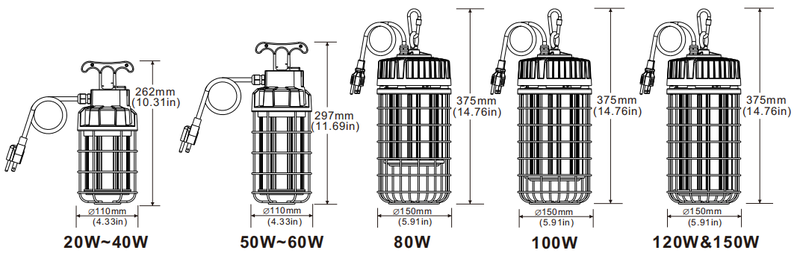
How Does It Actually Work? The Engineering Principles
The term "explosion-proof" is a specific engineering concept, not a generic marketing term. Fixtures achieve this rating through several key design principles, often used in combination:
1. Containment (The "Explosion-Proof" Principle in the Strictest Sense)
This is the most common method. The fixture is housed within an incredibly robust enclosure, typically made of cast aluminum or stainless steel, designed to withstand immense internal pressure.
The Process: If a flammable gas were to seep into the fixture and an internal spark ignited it, the enclosure is strong enough to contain the resulting explosion.
The Flame Path: Crucially, the joints where the enclosure doors or covers meet the body are not just sealed; they are precision-machined into a flame path. This path allows the hot gases from the internal explosion to escape, but in the process, they are forced through such a long, narrow, and cooled labyrinth that by the time they exit to the outside atmosphere, they are cool enough not to ignite the surrounding hazardous atmosphere.
This is the genius of the design: it doesn't prevent an internal ignition; it manages the consequences so they become harmless.
2. Prevention of Ignition
This approach focuses on eliminating the conditions that could cause an ignition in the first place.
Intrinsic Safety (Ex i): This design limits the electrical and thermal energy within the circuit to a level that is incapable of igniting the specific hazardous atmosphere. It's often used for low-power devices like sensors and instrumentation, but the principle informs broader design.
Encapsulation (Ex m): Electrical components that could spark are permanently sealed (potted) in a resin compound.
Pressurization (Ex p): The enclosure is continuously purged with clean, inert air or gas, keeping the flammable atmosphere out.
Decoding the Label: Understanding Protection Methods
To select the right fixture, you must understand its certification label. Here is a breakdown of a typical code, for example: Ex d IIB T4 Gb
| Code Segment | What It Means | Example Breakdown |
|---|---|---|
| Ex | European xplosive atmosphere (the certification mark) | Ex |
| Protection Method | How the fixture achieves safety. | d = Flameproof Enclosure (Containment) |
| Gas Group | The specific explosive gases the fixture is safe to use with. | IIB = Suitable for gases like ethylene. |
| Temperature Class | The maximum surface temperature the fixture will reach. | T4 = Max temp ≤ 135°C |
| Equipment Protection Level (EPL) | The zone of intended use, based on the likelihood of a hazardous atmosphere. | Gb = High protection, for Zone 1. |
Why the Temperature Class (T-Code) is Critical:
A hot surface can ignite a flammable atmosphere just as easily as a spark. The T-code ensures the fixture's external surface will not become a hot plate. For instance, a T4 rating (135°C) is safer for more gases than a T3 rating (200°C).

Case Study: The Cost of Getting It Wrong
Background: A mid-sized food processing plant that created combustible starch dust had standard fluorescent fixtures in its packaging area. While the facility had dust collection systems, occasional accumulations occurred on the light fixtures.
The Incident: A ballast within a standard fluorescent light fixture failed, overheating. The excessive heat ignited the layer of starch dust that had settled on the top of the fixture.
The Consequence: The initial fire quickly escalated, igniting the airborne dust in the facility, leading to a secondary dust explosion. The result was significant property damage, a complete halt in production for months, and, thankfully in this case, only minor injuries due to a swift evacuation.
The Lesson: This was a preventable disaster. The plant had a Hazardous Location (Class II, Division 2, for combustible dust) but used unrated, standard lighting. Had they installed fixtures rated for combustible dust (e.g., with an Ex t rating), the ignition source would have been contained. The initial investment in proper equipment would have been a fraction of the cost of the damages and business interruption.
The LED Revolution in Explosion-Proof Lighting
While traditional explosion-proof fixtures used high-intensity discharge (HID) lamps like Metal Halide, LED technology has become the new gold standard. Here's why:
| Feature | Traditional HID Fixture | Modern LED Explosion-Proof Fixture |
|---|---|---|
| Energy Efficiency | Low. Wastes a lot of energy as heat. | High. Uses up to 70% less energy for the same light. |
| Surface Temperature | Very High. A clear ignition risk. | Cool to the touch. Inherently safer (e.g., T4, T5, T6). |
| Lifespan | Short (10,000-20,000 hrs). Frequent, costly maintenance. | Long (50,000-100,000 hrs). Drastically reduced maintenance. |
| Durability | Fragile filaments and glass. Sensitive to vibration. | Solid-state. Highly resistant to shock and vibration. |
| Instant On/Off | No. Requires a long cool-down period before restarting. | Yes. Immediate light and no restart delay. |
The inherent safety of LEDs-their cool operation and low-voltage drive options-aligns perfectly with the goals of explosion-proof design, making them the superior and most sustainable choice.
Conclusion: Safety by Design
An explosion-proof lamp is a masterpiece of preventative engineering. It is not a magical, indestructible object, but a meticulously designed and tested safety device. Its purpose is not to contain its own destruction, but to be a reliable, passive guardian in environments where a single spark or a moment of excessive heat can lead to disaster.
Understanding the "why" and "how" behind these fixtures is critical for engineers, safety managers, and procurement specialists. By selecting the correctly certified fixture-increasingly, a robust and efficient LED model-for the specific hazardous location, businesses do more than just comply with regulations. They invest in the continuous safety of their personnel, the protection of their assets, and the operational integrity of their facilities. It's a powerful reminder that in high-risk environments, true safety is built in, from the ground up, and yes, right down to the very light bulbs.