What are the characteristics of explosion-proof lamps? Types and purchasing skills of explosion-proof lamps
Explosion-proof lamp refers to a lamp used in dangerous places where flammable gas and dust exist, and can prevent the arc, spark and high temperature that may be generated inside the lamp from igniting the flammable gas and dust in the surrounding environment, so as to meet the requirements of explosion-proof lamps, also called Explosion-proof lamps and explosion-proof lighting lamps, because they are a type of industrial lighting, so few people know about them. Today, let the editor of BENWEI LIGHTING take everyone to understand the characteristics of explosion-proof lamps and the types and purchasing skills of explosion-proof lamps. Wait for the introduction of related knowledge.
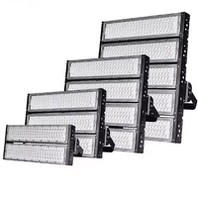
Explosion-proof lights
What are the characteristics of explosion-proof lights:
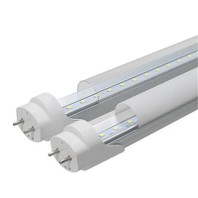
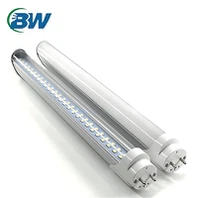
1. Equipped with T8LED tube, the light source is efficient and energy-saving, which is more than 50% energy-saving than T8 fluorescent tube.
2. Through a unique light distribution design, the light type and angle of the LED light source can be precisely controlled to avoid light pollution and ineffective light utilization; the light is soft, no glare, does not cause eye fatigue of the operators, and improves work efficiency.
3. The shell is made of lightweight aluminum alloy die-casting, and the surface is treated with high-voltage electrostatic spray.
4. There is a wiring cavity inside the lamp, and there are special wiring terminals, the user can directly enter the wire when installing, no additional junction box is required, which is convenient for installation.
5. When replacing the lamp tube, simply fold off the end cap to directly replace the lamp tube.
6. T5 fluorescent tubes of international famous brands can be selected according to customer requirements, which have high luminous efficiency and are more in line with the actual lighting environment. Compared with T8 fluorescent tubes, it can save about 30% of electricity.
7. It can be equipped with emergency devices according to user requirements. The built-in lamp body is light in weight. When the external power is cut off, the lamp will automatically switch to the emergency lighting state.
Explosion-proof lights
The above is a brief introduction about the characteristics of explosion-proof lights. I believe that after the above introduction, everyone will have a further understanding and understanding of explosion-proof lights. Of course, there are still many types of explosion-proof lights on the market. If the types of explosion-proof lights are not In particular, it is more difficult in the selection process. What are the types and purchasing skills of explosion-proof lamps? Let's take a look at the following introduction:
Types of explosion-proof lamps and purchasing skills:
1. Types of explosion-proof lights:
1. Explosion-proof type:
A type of explosion-proof electrical equipment structure, which means that the equipment has a strong enough shell to withstand 1.5 times the maximum explosion pressure generated by the internal explosive gas mixture, and the impact shall not be less than 3.5×10pa, to ensure that it will not be deformed or damaged, and will not cause permanent damage. It is deformed and has a certain structural gap so that the ejected combustion products can be cooled to lower than the auto-ignition temperature of the external explosive mixture through a certain flange length, so as to achieve the purpose of explosion-proof.
2. Increased safety type:
A type of explosion-proof electrical equipment structure, which refers to the use of a series of safety measures on the equipment, such as the use of high-quality insulating materials, reducing temperature rise, increasing electrical clearance, and improving the quality of wire connection, so as to prevent it from causing damage to the maximum extent. Generate electric sparks, electric arcs or dangerous temperatures, or use effective protective components to prevent the sparks, electric arcs, or temperature from igniting explosive mixtures, so as to achieve the purpose of explosion protection.
3. Positive pressure type:
A type of explosion-proof electrical equipment structure, which refers to inflating the inside of the equipment to ensure that the pressure of the internal protective gas is higher than the surroundings, to prevent the explosive mixture from entering the shell, or the sufficient amount of protective gas to pass through the shell to reduce the concentration of the internal explosive mixture below the lower explosive limit Under normal circumstances, there should be no blind corners of ventilation that affect safety in electrical equipment. During normal operation, the air pressure or inflation pressure of the air outlet should not be lower than a certain value, otherwise an alarm will be issued immediately or the power supply will be cut off. Sparks inside the equipment , The arc is not allowed to blow out from any gap or air outlet. The use of positive pressure structure has nothing to do with the level of explosive substances. It is mostly used in equipment with easily damaged internal components or large electrical equipment, or electrical equipment with spontaneous ignition points of T4 and T5, which is difficult to make into other explosion-proof structures. .
4. Non-sparking type:
Electrical equipment that does not ignite the surrounding explosive mixture under normal operating conditions and generally does not have an ignition failure is called non-sparking.
5. Dust type:
In the normal processing and production process, explosive and flammable substances that can produce dust clouds or dust layers. When mixed with air to a certain concentration, this environment must choose a "dust-tight" enclosure to prevent dust from entering the enclosure. Internal, because the electrical components in the shell may generate arcs, sparks, and ignite the dust to form an explosion.
2. The selection of explosion-proof lamps needs to confirm the following conditions:
1. Explosion-proof mark;
2. Types of light sources: fluorescent lamps, LED lamps, metal halide lamps;
3. Lamp power (wattage);
4. Shell material: mainly made of cast aluminum, but also stainless steel (n type), resin plastic material (increased safety type);
5. Protection level (indoor, outdoor);
6. One-piece or split-type (separate ballast box);
7. Installation method: flange type, guardrail type, boom type, ceiling type, wall type. (Flange type, guardrail type, boom type need to provide the length of the light pole).