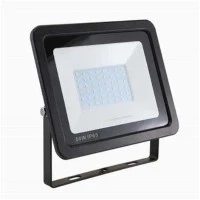
What are the five key indicators for judging professional-grade RGBW lamps? (e.g. color gamut coverage, PF power factor, Tμ≥50,000 hours lifespan)
When it comes to professional - grade RGBW lamps, there are five key indicators that play a crucial role in determining their quality and performance. These indicators help professionals in various fields such as stage lighting, film and television production, and architectural lighting make informed decisions.
First and foremost is color gamut coverage. A professional - grade RGBW lamp should have an extensive color gamut. This means it can reproduce a wide range of colors accurately, from the deepest reds to the most vivid blues and everything in between. A broad color gamut ensures that the lamp can meet the demanding requirements of different scenarios, whether it's creating a warm and cozy atmosphere for a romantic scene in a movie or displaying vibrant colors on a stage during a lively performance. Lamps with poor color gamut coverage often result in dull and inaccurate color representation, which can significantly affect the overall visual effect.
The second indicator is the PF (Power Factor). Power factor is a measure of how efficiently the lamp uses electrical power. A high power factor, ideally close to 1, indicates that the lamp converts electrical energy into light more efficiently, reducing energy waste. For professional settings where multiple lamps are used for extended periods, a high PF can lead to substantial energy savings and lower operating costs. Moreover, lamps with a low PF may cause electrical interference, affecting other equipment in the vicinity, which is highly undesirable in professional environments.
Lifespan with Tμ≥50,000 hours is the third key indicator. Professional - grade RGBW lamps are expected to have a long lifespan to minimize the frequency of replacement, which can be time - consuming and costly, especially in large - scale installations. A lifespan of at least 50,000 hours ensures that the lamps can operate reliably for many years under normal working conditions. This longevity is often achieved through high - quality components and advanced manufacturing processes that resist wear and tear, such as efficient heat dissipation systems to prevent overheating and extend the life of the LED chips.
Fourthly, dimming performance is of great importance. Professional applications often require precise dimming control to adjust the light intensity according to specific needs. A good professional - grade RGBW lamp should offer smooth and flicker - free dimming across a wide range, from very low intensities to full brightness. Flickering during dimming can cause eye strain for viewers and disrupt the mood or atmosphere being created. Additionally, the dimming should be consistent across all color channels (RGBW) to maintain color accuracy at different brightness levels.
The fifth indicator is color consistency. This refers to the ability of multiple lamps of the same model to produce identical colors under the same settings. In professional environments where multiple lamps are used together, such as on a stage or in a studio, color consistency is essential to ensure a uniform visual appearance. Lamps with poor color consistency will display noticeable color variations, which can ruin the overall effect. Manufacturers achieve color consistency through strict quality control during production, including calibration of each lamp to meet specific color standards.
In conclusion, these five key indicators - color gamut coverage, PF power factor, a lifespan of Tμ≥50,000 hours, dimming performance, and color consistency - are essential for evaluating professional - grade RGBW lamps. By considering these factors, professionals can select lamps that meet their specific requirements, ensuring high - quality and reliable lighting performance.