The Silent Fade: Understanding LED Light's Impact on Fabrics and Leather in Wardrobes and Shoe Cabinets
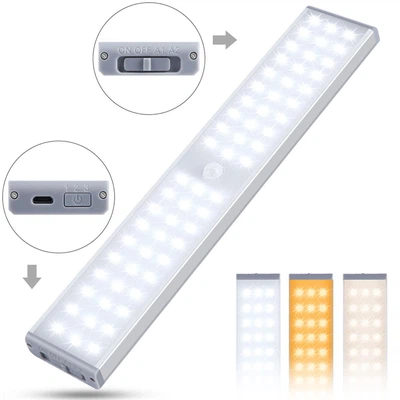
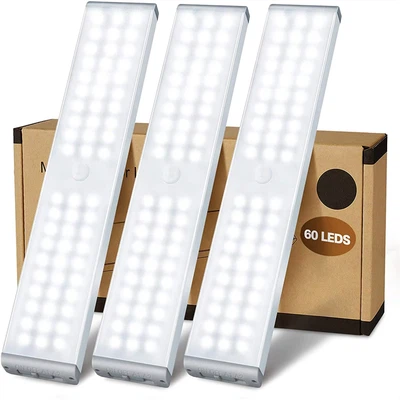
The convenience of rechargeable LED lights illuminating wardrobes and shoe cabinets is undeniable. Yet, a legitimate concern lingers: can prolonged exposure to this artificial light cause fading or damage to delicate fabrics, prized leather shoes, or cherished stored items? The answer, grounded in photochemistry and material science, is nuanced: yes, light exposure can contribute to damage, but the risk from typical wardrobe LEDs is generally low and highly manageable with informed choices.
The Science of Light Damage: It's All About Photons
Light-induced damage to organic materials like textiles and leather is a photochemical process. When photons (light particles) are absorbed by dyes, pigments, or the material itself, they can excite molecules, leading to chemical reactions:
Fading: Primarily affects dyes and pigments. Excited dye molecules can break down (photodegradation) or react with oxygen (photo-oxidation), losing their color intensity or shifting hue. Blue and violet wavelengths (higher energy) are particularly potent.
Weakening/Degradation: Light, especially UV radiation, can break down the molecular chains in natural fibers (cotton, silk, wool) and synthetic polymers (nylon, polyester), as well as the collagen structure in leather. This leads to loss of strength, embrittlement, yellowing, or surface cracking.
Why LEDs are Generally Safer than Old Technologies:
Compared to traditional light sources often found in homes historically, modern LEDs have inherent advantages:
Minimal UV Emission: High-quality white LEDs generate light primarily through blue LEDs exciting phosphors. Well-designed phosphor-converted LEDs emit negligible amounts of ultraviolet (UV) radiation, the most damaging part of the spectrum for fading and degradation. Incandescent bulbs emit some UV, and fluorescent tubes (especially older types) emit significant UV.
Controllable Spectrum & Intensity: LEDs allow precise engineering of the spectral power distribution (SPD). Warmer white LEDs (2700K-3000K) have less high-energy blue/violet light than cooler whites (4000K-6500K). Furthermore, wardrobe lights are typically low-intensity compared to room lighting.
Factors Influencing Risk in Wardrobes/Shoe Cabinets:
Despite their advantages, risk isn't zero. Consider these amplifying factors within enclosed storage:
Prolonged, Cumulative Exposure: Unlike room lights turned off when not needed, malfunctioning wardrobe lights (e.g., stuck "on") or lights with excessively long timeout settings (e.g., 5-10 minutes) can bathe items in light for hours daily. This constant exposure, even at low intensity, accumulates damage over months and years.
Close Proximity: Items are often very close to the light source (inches or centimeters away), significantly increasing the irradiance (light energy per unit area) they receive compared to items across a room.
Material Vulnerability:
Fabrics: Natural fibers (silk, wool, cotton, linen) and natural dyes are generally more light-sensitive than synthetics and modern synthetic dyes. Deep, vibrant colors (especially blues, purples, reds) and blacks often fade faster. Vintage or antique textiles are particularly vulnerable.
Leather: Dyed leather can fade. More critically, light (especially heat combined with low humidity) accelerates the evaporation of natural oils, leading to drying, cracking, and stiffening. Unfinished or aniline leathers are most susceptible.
Other Items: Photographs, artwork, certain plastics, and some wood finishes can also be sensitive to prolonged light exposure.
Spectral Composition: While LEDs lack UV, the blue and violet light component (present in all white light, but higher in cooler CCTs) still carries enough energy to drive fading reactions. High-CRI LEDs, while excellent for color accuracy, often have a broader, smoother spectrum that includes these potentially damaging wavelengths.
Heat: While LEDs are cool compared to incandescents, low-quality drivers or densely packed LEDs in enclosed fixtures can generate localized heat, exacerbating drying effects on leather and accelerating some chemical reactions.
Mitigating the Risk: Practical Strategies for Safe Illumination
The goal isn't to avoid lighting but to use it wisely:
Prioritize Motion Activation & Short Timeouts: This is the single most effective strategy. Lights should only be on when actively needed – when the door is open or motion is detected. Set timeout periods to the minimum practical duration (e.g., 15-30 seconds). Ensure sensors function correctly to prevent lights staying on.
Choose Warm White LEDs (3000K or lower): Warmer color temperatures have significantly less high-energy blue/violet light than cooler whites (4000K+), reducing the photochemical impact. 2700K-3000K is ideal for preservation.
Position Lights Strategically: Avoid placing lights directly above or touching the most sensitive items. Position strips or pucks to illuminate access paths rather than shining directly onto stored collections. Use indirect lighting (bouncing light off walls/shelves) where possible.
Consider Light Output (Lumens): Use the minimum brightness necessary for safe visibility. Overly bright lights increase irradiance and are unnecessary in small, enclosed spaces.
Storage Practices:
Store especially valuable or sensitive items (e.g., wedding dresses, heirloom textiles, fine leather) in opaque garment bags or boxes within the wardrobe, providing a physical light barrier.
Maintain stable, moderate humidity (around 40-50%) to protect leather from drying out.
Rotate displayed items if possible.
Quality Matters: Choose reputable brands known for proper thermal management and spectral control. Avoid ultra-cheap, uncertified lights that might have unstable drivers or excessive UV/blue leakage.
Conclusion: Informed Illumination, Not Darkness
Prolonged exposure to any light source carries a risk of fading and degradation for organic materials. However, the risk posed by modern, well-designed, and properly used rechargeable LED wardrobe and shoe cabinet lights is relatively low compared to historical lighting or uncontrolled ambient room light. The convenience and safety benefits of these lights generally far outweigh the minimal preservation risk when basic mitigation strategies are employed – primarily relying on motion activation with short timeouts and opting for warm white temperatures. By understanding the factors at play and making informed choices about light type, usage, and storage, you can safely enjoy the clarity of LED illumination without sacrificing the longevity of your cherished possessions. Vigilance, not avoidance, is the key to harmonious coexistence of light and preservation in the modern closet.