What Is 405NM UV LED Tube Light LED Lamp?
In the world of ultraviolet (UV) lighting, not all wavelengths serve the same purpose. While 254nm UV-C lamps are widely known for strong disinfection and 365nm UV-A lamps for curing, the 405nm UV LED tube light stands out as a unique, versatile solution-one that bridges safety and functionality for commercial, industrial, and even residential applications. Unlike its higher-energy UV counterparts, 405nm UV (often called "near-UV" or "violet light") offers targeted performance without the harsh risks of UV-B or UV-C, making it ideal for scenarios where both efficacy and human/object safety matter.
But what exactly is a 405nm UV LED tube light? How does it work, and why is it gaining popularity in 2025? This article breaks down its definition, technical properties, key advantages over traditional UV lamps, real-world applications, and factors to consider when choosing one-all tailored to the needs of 外贸 (foreign trade) buyers, facility managers, and business owners looking for reliable, cost-effective UV lighting solutions. By the end, you'll understand why 405nm UV LED tube lights are becoming a go-to choice for industries ranging from food processing to healthcare, and how they can add value to your operations.
1. Defining 405NM UV LED Tube Light: What Sets It Apart
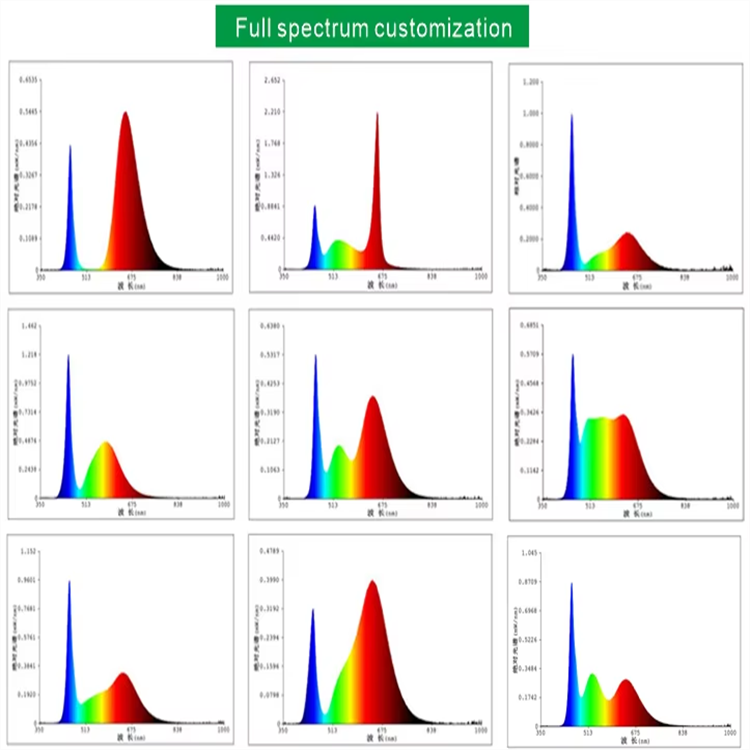
First, let's clarify the basics: A 405nm UV LED tube light is a linear lighting fixture (shaped like a traditional T8 or T5 tube) that emits ultraviolet light at a specific wavelength of 405 nanometers (nm). To put this in context, the UV spectrum is divided into three main ranges:
UV-C (200–280nm): High-energy, germicidal, but harmful to skin and eyes.
UV-B (280–315nm): Medium-energy, used in tanning and plant growth, but also causes sunburn.
UV-A (315–400nm): Low-energy, used in curing and fluorescence, with minimal harm in short exposure.
405nm: Technically part of the "violet visible light" range (just above UV-A), but retains UV-like properties – hence its classification as "near-UV."
What makes 405nm UV LED tube lights unique is their balanced performance: They provide enough energy to start certain chemical or biological processes (like cleaning or hardening) but are not strong enough to harm human skin, eyes, or delicate materials (like plastics or fabrics) with short exposure. Unlike 254nm UV-C tubes, which require strict safety measures (e.g., closed rooms, PPE), 405nm tubes can often be used in occupied spaces- a game-changer for industries like retail, healthcare, and food service.
In terms of design, 405nm UV LED tube lights mimic traditional T8/T5 tubes, making them easy to install in existing fixtures (no need for rewiring in most cases). They're typically made with an aluminium housing for heat dissipation (critical for LED lifespan), a clear or frosted PC lens to distribute light evenly, and internal drivers that convert AC power to DC-ensuring stable performance. Most models also feature IP44 or IP65 waterproof ratings, making them suitable for damp or dusty environments (e.g., kitchens, warehouses).
2. How 405NM UV LED Tube Lights Work: The Science Behind the Wavelength
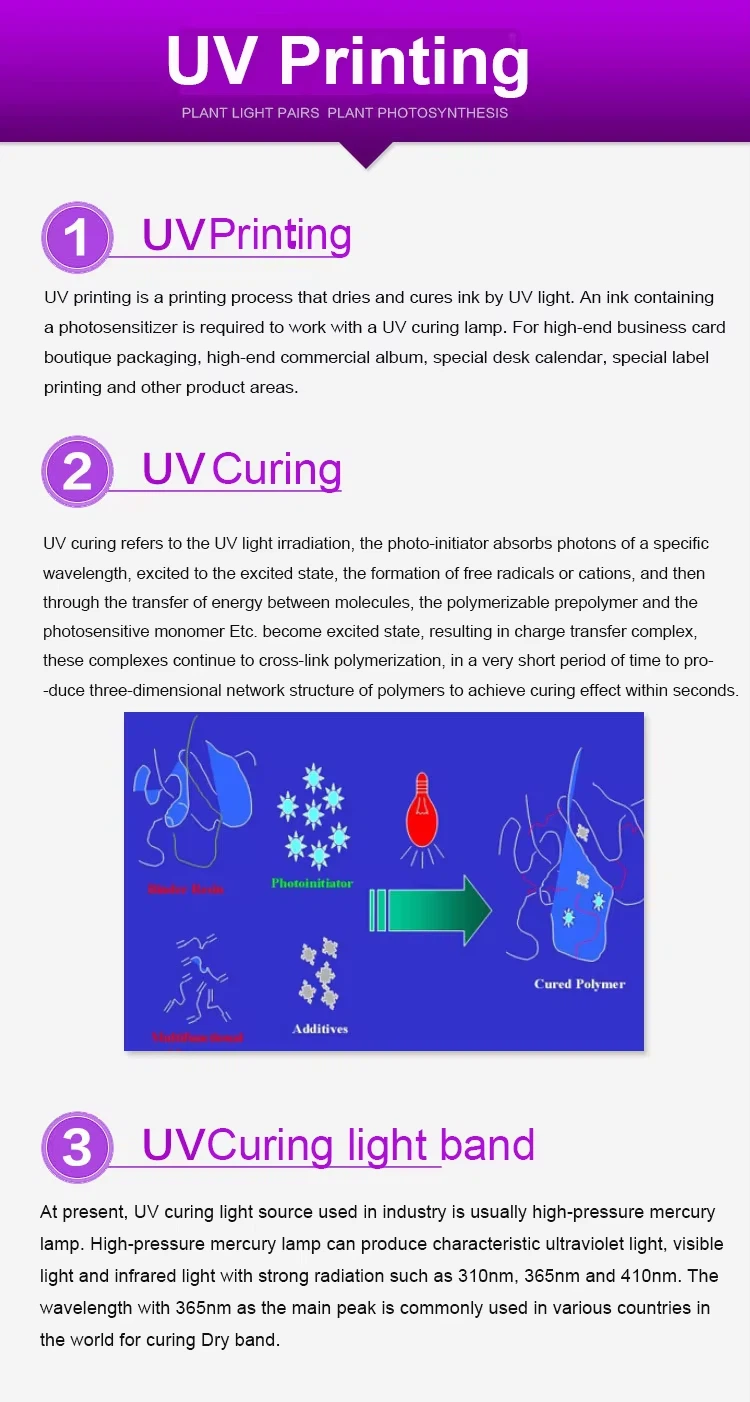
The efficacy of 405nm UV LED tube lights lies in their interaction with specific molecules – especially porphyrins, which are naturally present in many bacteria, fungi, and mold. Here's the science:
When 405nm light hits porphyrins, it excites the molecules, causing them to produce reactive oxygen species (ROS) like singlet oxygen. These ROS damage the cell membranes and DNA of microorganisms, rendering them unable to reproduce or cause harm. This process is called "photodynamic inactivation (PDI)," and it's the key to 405 nm's disinfection power.
Crucially, this mechanism is selective: Porphyrins are rare in human cells and most materials, so 405 nm light doesn't harm them. For example, while 254nm UV-C can degrade plastic surfaces or fade fabrics over time, 405nm light leaves these materials intact. This makes 405nm tubes ideal for disinfection in areas with frequent human traffic or sensitive equipment – such as hospital waiting rooms, grocery store aisles, or office lobbies.
Another key trait of 405nm UV LED tube lights is their narrow wavelength output. Unlike traditional mercury-based UV lamps (which emit multiple wavelengths, including harmful ones), 405nm LED tubes focus solely on 405nm light. This means no wasted energy on unnecessary wavelengths, leading to higher efficiency (up to 80 lumens per watt) and lower operating costs.
3. Key Advantages of 405NM UV LED Tube Lights Over Traditional UV Lamps

For buyers and business owners, choosing 405nm UV LED tube lights over traditional mercury UV lamps or other LED wavelengths comes with clear, measurable benefits. Here are the top advantages driving their adoption:
a. Safety First: Minimal Risk to Humans and Materials
As mentioned, 405nm light is far safer than UV-C or UV-B. The International Commission on Non-Ionising Radiation Protection (ICNIRP) classifies 405nm light as "low-risk" – meaning short-term exposure (e.g., walking past a 405nm tube) won't cause skin irritation, eye damage, or sunburn. This eliminates the need for expensive safety protocols (like interlocks, PPE, or closed rooms) required for UV-C lamps. For example, a restaurant can use 405nm tubes to disinfect dining tables between customers without evacuating the area, saving time and labor.
Additionally, 405nm light doesn't degrade materials. Unlike UV-C, which can break down plastic, rubber, or textiles, 405nm light leaves packaging, equipment, and surfaces unharmed. This is a major plus for industries like food processing (where plastic conveyor belts are common) or retail (where products are displayed near lighting).
b. Energy Efficiency and Long Lifespan
405nm UV LED tube lights are significantly more energy-efficient than traditional mercury UV lamps. A 18W 405nm LED tube delivers the same disinfection efficacy as a 40W mercury UV lamp – cutting energy consumption by 55%. Over a year (12 hours of daily use, \(0.15/kWh), this translates to \)34 in savings per tube. For a factory with 100 tubes, that's $3,400 in annual energy costs avoided.
They also last far longer: 405nm LED tubes have a lifespan of 50,000+ hours (5+ years of 12-hour daily use), compared to 8,000–10,000 hours for mercury UV lamps. This means fewer replacements – saving on labor and material costs. A hotel using 405nm tubes in its lobby reported replacing just 5 tubes in 5 years, versus 25 mercury lamps in the same period.
c. Eco-Friendly: No Mercury or Harmful Emissions
Traditional UV lamps contain mercury, a toxic metal that poses environmental risks if broken or disposed of improperly. 405nm UV LED tube lights have no mercury, making them RoHS-compliant (a must for 外贸 sales to the EU, US, and other regulated markets). They also produce no ozone (a harmful air pollutant emitted by some mercury lamps), making them safe for indoor air quality.
For businesses aiming to reduce their carbon footprint, 405nm LED tubes are a win: Their low energy use and mercury-free design align with global sustainability goals (e.g., the UN's Sustainable Development Goals or the EU's Green Deal), a selling point for eco-conscious customers.
d. Easy Installation and Low Maintenance
405nm UV LED tube lights are designed to fit standard T8/T5 fixtures, so they can replace traditional tubes without rewiring. Most models are "plug-and-play" – simply remove the old tube and insert the 405nm one. This saves on installation costs (no need for electricians in most cases) and minimizes downtime.
Maintenance is also minimal: Unlike mercury lamps, which require regular cleaning to maintain output, 405nm LED tubes only need a quick wipe with a microfiber cloth every 2–3 months to remove dust. Their aluminum housing dissipates heat effectively, so there's no need for cooling systems or frequent part replacements.
4. Real-World Applications of 405NM UV LED Tube Lights

The versatility of 405nm UV LED tube lights makes them suitable for a wide range of industries. Below are the most common applications-ones that resonate with buyers looking to solve specific operational challenges:
a. Food Processing and Catering
In food processing plants, restaurants, and grocery stores, 405nm UV LED tube lights are used to disinfect surfaces, equipment, and even food packaging. For example:
A bakery in Germany installed 405nm tubes above its dough mixers and countertops. Tests showed a 90% reduction in bacteria (like Salmonella and E. coli) on surfaces, without affecting the dough's quality or the mixers' plastic parts.
A grocery store in the US uses 405nm tubes in its produce section to extend the shelf life of leafy greens. The light kills mold spores on the greens' surfaces, keeping them fresh for 3–4 days longer than usual.
Unlike UV-C, 405nm light can be used near food without risk of contamination or nutrient degradation- a critical advantage for the food industry.
b. Healthcare and Senior Care
Hospitals, clinics, and nursing homes need disinfection solutions that are effective yet safe for patients, staff, and equipment. 405nm UV LED tube lights fit this need perfectly:
A hospital in Japan installed 405nm tubes in its waiting rooms and hallways. The lights run during operating hours, reducing surface bacteria by 85% without causing discomfort to patients or staff (unlike UV-C, which requires empty rooms).
A senior care facility in Canada uses 405nm tubes in resident bedrooms to prevent the spread of C. difficile and other harmful bacteria. The gentle light is safe for elderly skin and doesn't damage furniture or bedding.
c. Retail and Public Spaces
Retail stores, malls, and public transit hubs (e.g., subway stations, airports) face the challenge of disinfecting high-touch surfaces (e.g., door handles, checkout counters) in occupied areas. 405nm UV LED tube lights offer a solution:
A clothing store in the UK installed 405nm tubes above its fitting room doors and checkout counters. The lights run continuously, killing bacteria on surfaces without fading clothing or harming customers.
A subway station in South Korea uses 405nm tubes in its ticket halls. The lights reduce bacteria on ticket machines by 92%, improving public health without disrupting passenger flow.
d. Industrial Curing and Printing
Beyond disinfection, 405nm UV LED tube lights are used in industrial curing applications – especially for inks, adhesives, and coatings that require low-heat, fast curing. For example:
A label printing company in China switched from 365nm UV-A lamps to 405nm LED tubes. The 405nm light cures water-based inks 20% faster and uses 30% less energy, while also reducing ink waste (since 405nm light is more targeted).
An electronics manufacturer uses 405nm tubes to cure adhesives on circuit boards. The low heat of 405nm light prevents damage to sensitive electronic components, improving product quality.
5. How to Choose the Right 405NM UV LED Tube Light for Your Needs
Not all 405nm UV LED tube lights are created equal. For buyers, selecting the right model requires considering factors like performance, safety, and compliance. Here are the key criteria to evaluate:
a. Wavelength Accuracy
Ensure the tube truly emits light at 405nm (±5nm). Some cheap models claim to be 405nm but actually emit 420nm or 395nm light wavelengths that are less effective for disinfection or curing. Ask manufacturers for a "spectral output report" (from a third-party lab like TUV or SGS) to verify wavelength accuracy.
b. Power and Output
For disinfection, look for tubes with a power rating of 15W–30W and a photon flux density (PFD) of at least 10 mW/cm² at 1 meter. This ensures enough light intensity to kill bacteria within a reasonable time (usually 10–30 minutes). For curing, higher PFD (20–30 mW/cm²) may be needed – check with your ink/adhesive supplier for specific requirements.
c. Safety Certifications
Choose tubes with global safety certifications, such as:
CE (for the EU market).
UL or FCC (for the US market).
RoHS (for mercury-free compliance).
IEC 62471 (for photobiological safety, confirming no harm to skin/eyes).
Certified tubes are more likely to meet quality standards and avoid customs issues in foreign markets.
d. Waterproof Rating
For damp or dusty environments (e.g., kitchens, warehouses), select tubes with an IP65 rating (waterproof and dustproof). For dry areas (e.g., offices, retail stores), IP44 is sufficient. Avoid non-IP-rated tubes for outdoor or wet use-they'll fail quickly.
e. Warranty and After-Sales Support
A reliable manufacturer will offer a 3–5 year warranty for 405nm UV LED tube lights. Avoid brands with warranties shorter than 2 years-they often use low-quality LEDs or drivers. Also, check if the manufacturer provides after-sales support (e.g., replacement parts, technical help) in your target market-critical for resolving issues quickly.
6. Common Myths About 405NM UV LED Tube Lights (Debunked)
As 405nm UV LED tube lights gain popularity, misconceptions have emerged. Let's debunk the most common ones to help you make informed decisions:
Myth 1: "405nm UV is as powerful as UV-C for disinfection."
Fact: 405nm is effective for surface disinfection (killing 90%+ of common bacteria), but it works more slowly than UV-C. UV-C can kill bacteria in seconds, while 405nm takes 10–30 minutes. However, 405nm's safety makes it suitable for occupied spaces-where UV-C can't be used. For most applications (e.g., daily surface cleaning), 405nm's efficacy is more than enough.
Myth 2: "405nm UV LED tubes are too expensive."
Fact: While 405nm tubes cost more upfront than traditional mercury lamps (\(25–\)50 vs. \(10–\)20), their long lifespan and energy savings make them cheaper in the long run. A 405nm tube costs ~\(0.01 per hour to operate, versus \)0.03 per hour for a mercury lamp. Over 5 years, this adds up to $73 in savings per tube.
Myth 3: "405nm UV is harmful to plants or pets."
Fact: 405nm light has no negative impact on most plants (it's even used in some grow lights to boost pigment production) and is safe for pets (e.g., dogs, cats) with short exposure. Unlike UV-C, it won't damage pet fur or skin.
Conclusion
The 405nm UV LED tube light is more than just a "niche" UV solution-it's a versatile, safe, and cost-effective tool for modern industries. By emitting targeted 405nm light, it delivers disinfection, curing, and preservation benefits without the risks of higher-energy UV wavelengths. For 外贸 buyers, this means a product that meets global safety standards, fits diverse applications (from food processing to healthcare), and offers long-term value through energy savings and minimal maintenance.
As demand for safe, eco-friendly UV lighting grows-driven by global health concerns and sustainability goals-405nm UV LED tube lights are poised to become a staple in international markets. Whether you're a facility manager looking to improve disinfection, a manufacturer needing low-heat curing, or a retailer aiming to extend product shelf life, 405nm UV LED tube lights offer a solution that balances efficacy, safety, and affordability.
When choosing a 405nm UV LED tube light, prioritize wavelength accuracy, safety certifications, and a strong warranty-these factors ensure you're investing in a product that will perform reliably for years. With the right 405nm UV LED tube light, you can enhance your operations, reduce costs, and meet the evolving needs of your customers.
https://www.benweilight.com/professional-lighting/uv-lighting/405nm-uv-led-tube.html
Shenzhen Benwei Lighting Technology Co.,Ltd
Telephone: +86 0755 27186329
Mobile(+86)18673599565
Whatsapp :19113306783
Email:bwzm15@benweilighting.com
Skype: benweilight88
Web: www.benweilight.com