Ever questioned what a black light was? You may not be aware that there are several kinds of black lights. Here's a look at what black lights are, where to locate them, and how to utilize them.
Important Lessons: What Does a Black Light Do?
A lamp that generates mostly ultraviolet radiation and very little visible light is known as a black light. A room that has been lighted by a black light seems dark since the light is invisible to humans because it is outside of their field of vision.
There are many different kinds of black lights, including lasers, LEDs, incandescent bulbs, and specialized fluorescent lamps. Each of these lights creates a different spectrum of light, therefore they are not all made equal.
In tanning booths, black lights are used to study fluorescence, to draw insects, to create artistic effects, to sterilize, and to cure polymers.
How Do Black Lights Work?
A lamp that produces ultraviolet light is known as a black light. Black lights are sometimes referred to as UV-A lights, ultraviolet lamps, and Wood's lamps. The term "Wood's lamp" pays tribute to glass UV filter pioneer Robert Williams Wood. Good black light should have very little visible light and almost all of the light in the UV region of the spectrum.
The Origin of the Name "Black" Light for a Black Light
Despite the fact that black lights produce light, ultraviolet light cannot be seen by human eyes, making the light seem "black" to your eyes. A lamp that emits exclusively UV rays would seem to leave the room completely black. There is some violet light produced by several black lamps. This makes it possible for you to tell when the light is on and helps you avoid being overexposed to UV light, which may harm your skin and eyes.
Different Black Lights
Black lights come in a variety of shapes and sizes. There are mercury-vapor lamps, incandescent lights, fluorescent lamps, light-emitting diodes (LEDs), and lasers. Since incandescent lights don't emit much ultraviolet light, they don't create particularly good black lights.
Some simply comprise of filters placed over other light sources to exclude visible light while allowing UV wavelengths to flow through. The lighting industry refers to these components as "BLB," which stands for "blacklight blue," since the light produced by these kinds of bulbs or filters often has a faint violet-blue tinge.
Some lights don't have filters. In the visible spectrum, these bulbs often shine brighter. The fluorescent lamp used in "bug zappers" is a nice illustration. The designation "BL" for this kind of bulb stands for "black light."
Coherent, monochromatic radiation that is absolutely invisible to the human eye is produced by black light or ultraviolet lasers. When working with such gadgets, it is especially vital to wear eye protection since the light might result in instant and permanent blindness as well as severe tissue damage.
Uses of Black Light
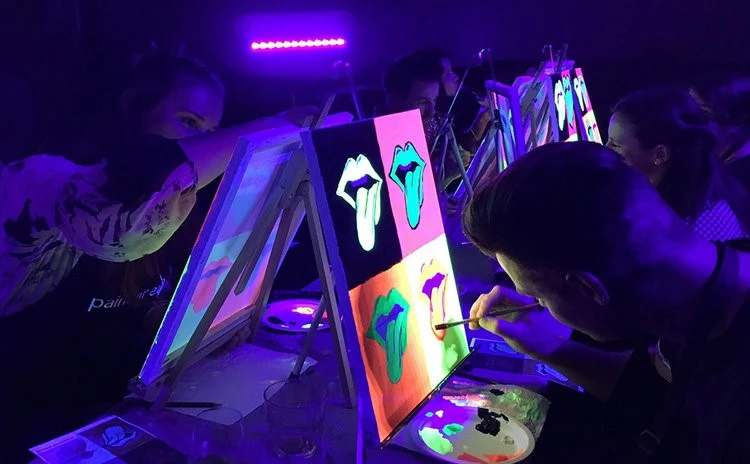
Black lights have several applications. Ultraviolet light is used to illuminate artwork, study fluorescent dyes, enhance the brightness of phosphorescent materials, cure plastics, draw insects, and observe fluorescent dyes. Black lights have several medicinal uses. Uses for ultraviolet light include disinfection, identifying bacterial and fungal diseases, acne, melanoma, and ethylene glycol toxicity, as well as treating newborn jaundice.
Safe Black Light
Because the UV radiation most black lights generate is in the longwave UVA region, they are generally considered to be safe. The area nearest to visible light is this one. Black light radiation should not be exposed for a lengthy period of time since UVA has been connected to human skin cancer. UVA may harm DNA by penetrating the epidermal layers deeply. UVA does not burn the skin, but it may damage collagen, scavenge vitamin A, and speed up the aging process.
Some black lights produce more UVB light. Skin burns might result from these lights. This light may harm cells more rapidly since it has a greater energy than UVA or visible light.
Exposure to ultraviolet radiation may harm the eye's lens and perhaps cause the development of cataracts.
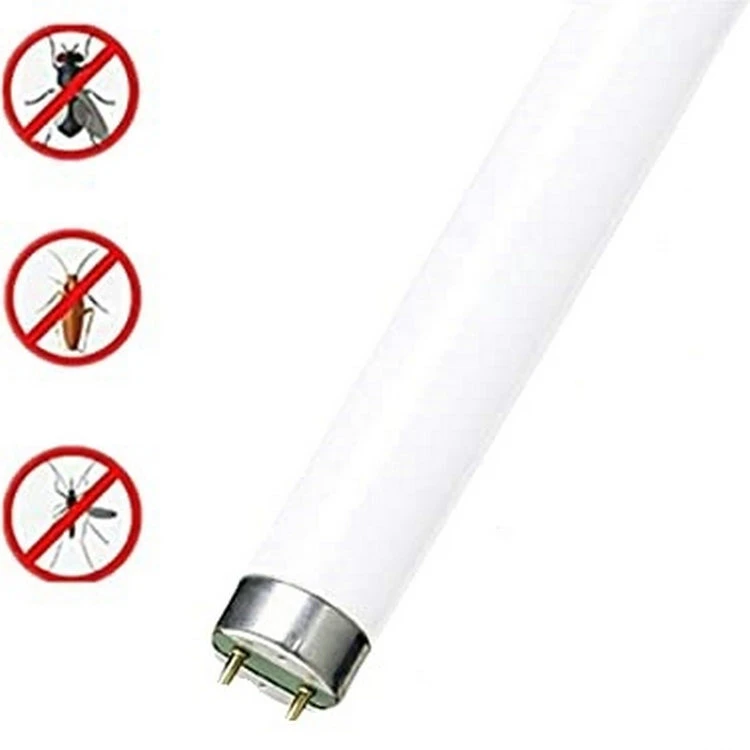
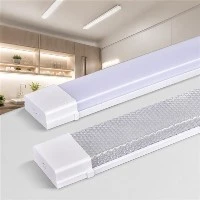
Benwei UV 120cm led tube light Product Specification:
|
Item |
UV led light tube bulb T8 |
|
Input Volt |
AC85-265V |
|
Power |
10W,18W,24W |
|
Length |
60cm/2ft, 120cm/4ft, 150cm/5ft |
|
Bean Angle |
120°, 180° |
|
Lifespan |
50000 hrs |
|
Wavelength |
365nm 395nm 254nm 280nm |
|
Warranty |
3-5 years |