Introduction
The Popularity and Market Chaos of Home Red-NIR Light Therapy Devices
Personalised home wellness has become an essential component of contemporary people's everyday lives in the post-health age. Red-NIR light treatment is often used for skin rejuvenation, muscular strain alleviation, joint pain repair, post-exercise recovery, and sub-health conditioning because of its non-invasive, safe, and effective physiological regulating properties. Customers choose home-use Red-NIR light treatment panels because of their affordability, ease of use, and sustainable daily usage over costly, time-consuming, and geographically limited professional clinical therapy.
However, the industry's low entry barrier results in a chaotic market. Many cottage goods take short cuts in material configuration, circuit protection, heat dissipation structures, and core chips. Inaccurate wavelength, inadequate irradiation intensity, rapid light attenuation, inadequate heat dissipation, and concealed safety hazards are among the issues they face, yet they depend on inflated marketing buzzwords like "full-effect therapy" and "clinical grade" to deceive customers. After a period of usage, many consumers discover that the bought treatment lamp has no discernible therapeutic effect, or that the brightness drastically decreases, or even that equipment malfunctions, rendering phototherapy utterly useless for medical purposes.
The Core Significance of Scientific Selection of Therapy Devices
Precise photobiological stimulation is the core of Red-NIR light treatment. Activating mitochondrial activity, promoting ATP synthesis, improving local blood circulation, and reducing inflammatory responses are only possible with devices that adhere to scientific wavelength criteria, consistent energy output, and safe structural design. Long-term use of low-energy, unstable, or untrained light sources may result in inadequate light stimulation and even injury to the eyes and skin due to weariness, in addition to the inability of unscientific equipment to provide appropriate health care benefits.
Therefore, buyers should utilise professional technical characteristics, structural design, safety performance, and service life as the primary selection criteria instead of relying just on price and appearance when buying a home-use Red-NIR light treatment equipment. In order to provide customers reliable and useful purchasing advice, this article will go into great depth about all the important selection factors and combine high-quality standard product configurations.
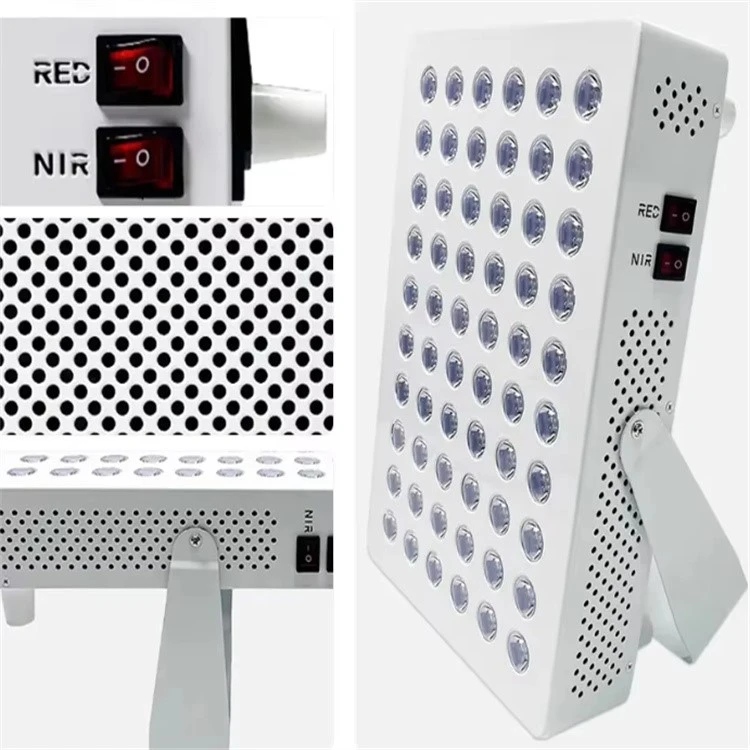
Core Optical Performance: The Fundamental Guarantee of Therapeutic Effect
The primary determinant of the Red-NIR treatment device's practical therapeutic usefulness is its optical performance, which also distinguishes superior cottage items from professional clinical-grade equipment. The precise wavelength, consistent irradiation intensity, and scientific light source structure underpin all of phototherapy's health benefits.
Standard Wavelength Matching: Strictly Follow the Therapeutic Spectrum Window
Only certain red and near-infrared light wavelength bands have been shown to have efficient photobiomodulation effects, according to scientific research. For visible red light, the ideal therapeutic wavelength is 660 nm, whereas for invisible near-infrared light, it is 850 nm. Numerous clinical studies have shown that these two wavelengths represent the golden spectrum, which can precisely operate on various human body tissue layers.
The 660 nm red light has the ability to penetrate the superficial layer of skin by 1-2 mm, precisely stimulate fibroblast activity, encourage the manufacture of collagen and elastin, effectively improve skin dullness, remove fine lines, repair damaged skin barrier, and achieve skin rejuvenation and mild anti-aging benefits. Strong tissue penetration of the 850 nm near-infrared light allows it to penetrate 3–5 cm deep in muscles, joints, and subcutaneous tissues. It also speeds up the metabolism of lactic acid in muscles, relieves joint stiffness and soreness, and helps with everyday sub-health conditioning and post-exercise physical recovery.
Vague wavelength combinations, such as 630-650 nm red light and 800-830 nm near-infrared light, are often used by inferior items on the market. Long-term usage has no therapeutic effect because the spectrum's divergence prevents the formation of effective biological stimulation. To guarantee that every light emission is inside the appropriate therapeutic window, high-quality professional treatment devices must have a precise dual-wavelength design of 660 nm and 850 nm with stringent spectral tolerance.
Dual-Chip Integrated Light Source: Realize Full-Coverage Balanced Therapy
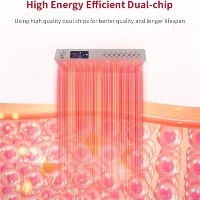
The two most common light source configurations for home Red-NIR treatment devices available today are dual-chip integrated integration and separate single-chip arrangements. The majority of inexpensive devices use different arrangements of near-infrared and red light beads, resulting in uneven light coverage. Certain locations are only exposed to red light throughout the treatment process, while other areas are only exposed to near-infrared light. This leads to an uneven treatment impact and much lower overall health care value.
Modern dual-chip integrated technology is used in high-end, professional therapeutic equipment. A single lamp bead simultaneously combines 850 nm near-infrared light with 660 nm red light. Superficial skin and deep tissues are fully covered in a single piece thanks to the dual-wavelength synchronous output. It can guarantee consistent and balanced light energy distribution, prevent treatment dead ends and effect discrepancies, and significantly increase the comprehensiveness and efficacy of phototherapy, whether of local targeted treatment or large-area whole-body auxiliary therapy.
Independent Dual Switch Control: Customize Personalized Therapy Scheme
Flexible wavelength control features are essential for high-quality home treatment equipment in order to accommodate the various health requirements of various users and body sections. The majority of inflexible, low-end devices can only produce red and near-infrared light simultaneously, which cannot be changed to suit real-world requirements. This leads to energy loss and unsuccessful focused therapy.
Professional devices come with separate twin rocker switch control systems for near-infrared and red light. Depending on their needs, users can freely switch between three working modes: dual-light synchronous mode for full-body comprehensive wellness conditioning; single near-infrared light mode for deep muscle relaxation, joint discomfort relief, and post-workout recovery; and single red light mode for facial skin care and superficial skin repair. The phototherapy process is more focused, effective, and humanised thanks to its customisable adaptable design, which is a crucial feature of top-notch home therapy equipment.
Uniform Irradiance Output: Avoid Local Hot Spots and Uneven Effects
Key factors that impact the safety and efficacy of treatment are irradiance stability and uniformity. Inadequate goods are prone to local hot patches with high light energy and weak energy in the interval region due to their scant lamp bead placement and irrational beam design. In addition to producing variable therapeutic outcomes, long-term uneven irradiation may easily result in localised skin dryness and exhaustion from excessive energy buildup.
High-density ordered array lamp bead layouts are used in professional treatment panels, and optical design optimises beam overlapping technology. There are no hot spots, no dark patches, and a steady power density over the whole irradiation region. It can guarantee the consistency of each therapeutic result, provide safe and effective long-term health care, and provide constant and mildly effective stimulation to human tissues for extended periods of time.
Heat Dissipation, Service Life and Attenuation Performance: Determine Long-Term Use Value
Many consumers only pay attention to the immediate use effect when purchasing, and ignore the long-term stability and service life of the equipment. In fact, the heat dissipation system and light attenuation performance directly determine the service life, long-term effect stability and cost performance of the therapy device, which is the core embodiment of product industrial design strength.
Fanless Passive Heat Dissipation System: Silent and Stable Operation
The primary cause of LED light source ageing and performance reduction is heat buildup. The therapeutic device's luminous efficiency, wavelength stability, and service life are all directly impacted by the chip's operating temperature. Active fan heat dissipation and passive natural heat dissipation are now the two most popular heat dissipation mechanisms for therapeutic devices.
The majority of low-cost items use active heat dissipation via built-in fans. Despite the quick rate of heat dissipation, the fan's mechanical operation generates constant noise, which interferes with the user's ability to rest and relax during phototherapy. However, the fan is a mechanical component that is susceptible to dust accumulation, ageing, and failure after prolonged use, which may lead to decreased heat dissipation efficiency, increased chip ageing, or even equipment short circuit failure.
Upgraded aluminium alloy honeycomb passive heat dissipation structures are used in high-end professional therapeutic equipment. The whole body has large-area honeycomb heat dissipation pores on both sides and is composed of an aluminium alloy with strong thermal conductivity. The heat produced by the chip activity is rapidly exported and dispersed by natural air convection. The fanless design achieves zero noise operation, produces a peaceful and cosy therapeutic setting, and totally eliminates the possibility of sensitive elements failing. The long-term steady output of the light source is essentially ensured by the stable low-temperature working condition.
Ultra-Long Service Life: 50000 Hours Industrial-Grade Chip Endurance
Professional home Red-NIR treatment devices use industrial-grade, premium dual-chip LEDs for its core lamp beads, which have a service life of up to 50,000 working hours. The equipment's continuous service life may reach over 30 years based on a daily home usage frequency of 20 to 30 minutes each session, which is much longer than the service life of typical inferior items on the market.
Low-quality chips with a rated service life of just 10,000–20,000 hours are used in inferior goods. The therapeutic effect will entirely vanish after a little time of usage as the lamp beads age and fade. The equipment can sustain long-term effective operation and really realise one-time purchase and multi-year stable health care with very good long-term cost performance thanks to the industrial-grade chip configuration of high-quality items.
Low Light Attenuation Design: Long-Term Stable Therapeutic Effect
One unavoidable ageing law of LED light sources is light attenuation, often known as lumen depreciation. The attenuation speed and residual luminous efficiency are the primary distinctions between superior and subpar goods. Low-end devices' poor heat dissipation causes chips to operate at high temperatures for extended periods of time, which speeds up spectral deviation and light attenuation. The phototherapy effect will entirely disappear after 10,000 hours of usage when the luminous power drops by more than 40% and the wavelength deviates from the therapeutic window.
Professional therapeutic devices significantly lower the thermal stress of semiconductor chips, successfully postpone the ageing rate of lamp beads, and create an extremely stable low attenuation curve by using the effective aluminium alloy passive heat dissipation technology. The light output power can sustain over 85% of the starting condition even after 10,000 hours of continuous operation, and the wavelength precision is consistently constant. It prevents the issue of effect deterioration brought on by ageing equipment and guarantees that every treatment during the whole service cycle may keep professional clinical-grade therapeutic effect.
Durable Mechanical Structure: Resist Long-Term Wear and Deformation
The equipment's mechanical durability has an impact on its long-term usage value in addition to its light source performance. Thin plastic shells and subpar hinge brackets, which are prone to yellowing, deforming, and coming loose during prolonged heat cycling and frequent angle adjustment, are used in substandard goods. This leads to insecure installation and challenging everyday usage.
Superior therapeutic equipment has a strengthened folding bracket system and a robust metal casing. After prolonged usage, the metal shell is resistant to scratches, anti-aging, and yellowing and deformation. Frequent angle adjustments won't cause the 360° spinning strengthened hinge structure to loosen or tremble. The ultra-long service life of the lamp beads is well matched by the entire mechanical structure's great stability and durability.
Safety Protection Performance: Essential Selection Standard for Household Equipment
The safety performance of Red-NIR treatment devices is the main selection criterion that cannot be disregarded since they are electrical devices that are in close contact with the human body for extended periods of time. pIn order to prevent possible safety dangers during regular usage, professional home equipment must have excellent circuit protection, heat protection, and use safety criteria.
Complete Circuit Safety Protection System
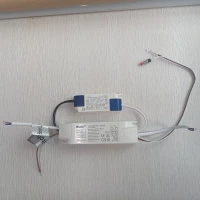
Professional intelligent drive circuit boards, integrated over-current, over-voltage, and surge safety modules are features of high-quality therapeutic equipment. The equipment will immediately switch off the power supply in the event of an instantaneous voltage spike, current overload, or other abnormal power supply situations in the home circuit to safeguard the safety of household electricity while preventing damage to the circuit system and core LED chips.
To save costs, the majority of low-end cottage goods do not have professional protection modules. There is no unusual protective feature, and the circuit is basic and unrefined. Long-term plug-in operation may easily result in chip degradation, circuit burnout, and even short-circuit ignition hazards, which pose serious concealed risks to the safety of home power.
Intelligent Thermal Overheat Protection Mechanism
In addition to passive heat dissipation, professional devices are also equipped with active thermal overheat protection technology. The equipment adopts high-temperature resistant PCB circuit board, which can monitor the internal operating temperature in real time. Once the temperature exceeds the safety threshold due to blocked heat dissipation or long-time continuous operation, the system will automatically trigger the power-off protection mechanism to stop working and cool down, effectively preventing equipment failure and safety accidents caused by overheating.
Standard Use Environment and Ingress Protection Specification
Professional indoor wellness equipment, such as home Red-NIR treatment devices, is appropriate for dry inside settings such homes, workplaces, gyms, and beauty salons. 10–30°C is the typical operational ambient temperature. In order to prevent internal circuit damp and dust accumulation from affecting the service life, it is necessary to avoid splashing water, high humidity steam environments, and prolonged outdoor dust exposure during use. This is because the equipment lacks a waterproof and dustproof configuration for outdoor industrial use.
Professional goods prevent equipment damage from improper usage, clearly indicate the use environment criteria, and direct users to operate scientifically. On the other hand, a lot of subpar items misrepresent its waterproof and dustproof features, misleading consumers and leading to needless equipment failure.
Scientific Human Body Safety Use Norms
Although Red-NIR light therapy is non-invasive and safe, the high-brightness LED array will produce strong light stimulation. Professional products standardize the safety use guidelines: avoid long-term direct staring at the lamp bead array during operation, and it is recommended to wear professional eye protection goggles during facial treatment to avoid eye fatigue and discomfort caused by long-term strong light stimulation. The standardized safety reminder reflects the professional design concept of human-oriented and fully guarantees the user's physical health and safety.
Structural Design and Scene Adaptability: Improve Daily Use Experience
Excellent home therapy equipment not only needs professional core performance, but also needs humanized structural design and multi-scene adaptability, which can adapt to the diversified use needs of users, improve the convenience of daily use, and avoid the embarrassment of purchasing professional equipment but being unable to use it flexibly.
360° Full Rotatable Bracket: Flexible Targeted Therapy
Most fixed therapy lamps on the market have single adjustment angle, which can only realize single-direction irradiation, and cannot adapt to the treatment needs of different parts of the human body. Professional high-quality therapy devices are equipped with heavy-duty metal folding brackets, supporting 360° free rotation and arbitrary angle fixation.
Users can place the panel horizontally for back and abdomen treatment, tilt it at multiple angles for shoulder, neck and joint targeted therapy, and stand it vertically for facial and chest care. Whether sitting, lying or standing, it can match the user's posture, realize all-round body targeted phototherapy, completely solve the problem of single treatment angle of traditional equipment, and greatly improve the flexibility and practicality of the product.
Portable Integrated Design: Multi-Scene Universal
This professional Red-NIR therapy panel adopts lightweight integrated design, no complicated installation procedures, foldable and portable, and can be freely placed on desks, bedside, gym benches and other positions. It is suitable for multiple life scenarios: daily skin care and sub-health conditioning at home, fatigue relief after long-term office sitting, post-workout muscle recovery in the gym, and auxiliary skin care services in beauty salons. It can even be used for gentle joint soothing care for pets, with extremely high scene adaptability.
Professional Purchase Checklist and Red Flag Avoidance Guide
Core Parameter Purchase Checklist
To help consumers accurately screen high-quality products, this paper summarizes the professional selection checklist for home Red-NIR therapy devices, covering all core indicators:
First, the wavelength must be precise 660nm (red light) + 850nm (near-infrared light), with strict spectral tolerance, no vague wide-band configuration; second, the light source adopts dual-chip integrated design to ensure uniform dual-wavelength coverage; third, it is equipped with independent dual switches to realize three-mode free switching; fourth, it adopts fanless aluminum alloy passive heat dissipation system to ensure silent and stable operation; fifth, the rated service life reaches 50,000 hours, with low light attenuation performance; sixth, it has complete over-current, over-voltage and thermal overheat protection mechanisms; seventh, it is equipped with 360° rotatable metal bracket with stable mechanical structure.
Low-Quality Product Red Flags to Avoid
Consumers should firmly avoid products with the following problems in the purchase process: vague wavelength parameters without specific nm values; separate arrangement of red and NIR lamp beads with uneven coverage; only single simultaneous light output mode without independent adjustment; fan heat dissipation with noise and vulnerable parts; plastic shell with easy deformation and aging; incomplete circuit protection with potential safety hazards; exaggerated false propaganda such as waterproof and full-effect medical grade without professional certification.
Conclusion
The purchase of home-use Red-NIR light therapy devices is not a simple consumer behavior, but a professional health investment. The real clinical-grade therapy equipment is not defined by fancy marketing slogans, but by precise optical performance, stable long-term quality, perfect safety protection and humanized functional design.
When purchasing, consumers must abandon the wrong cognition of "low price is cost-effective" and "beautiful appearance is practical", take professional technical parameters as the core judgment basis, and comprehensively investigate the product's wavelength accuracy, light source structure, heat dissipation performance, service life attenuation, safety configuration and scene adaptability. The high-quality dual-chip Red-NIR therapy panel described in this paper fully meets all professional selection standards in the industry. It balances clinical therapeutic effect, long-term stability, use safety and multi-scene practicality, and is the most cost-effective professional home phototherapy equipment for daily health management.
A qualified home Red-NIR therapy device can accompany users for decades of stable health care, continuously help users improve skin state, relieve physical fatigue, regulate sub-health state, and let professional clinical-level phototherapy technology enter ordinary families, realizing efficient, safe and sustainable personalized health management.
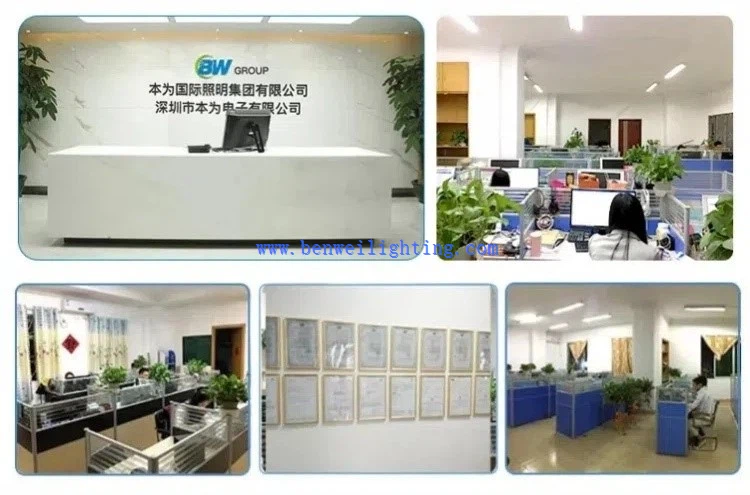
Our firm prides itself on owning its own factory, guaranteeing complete control over the production process and the quality of our goods. We are not only agents; we are manufacturers committed to offering our clients the most competitive rates available. We invite consumers to evaluate our samples first, as we are assured that the quality and pricing of our items are self-evident. Our dedication to excellence and client satisfaction compels us to consistently perform at our best and provide superior quality products.
Our address
3rd Floor, 5th Building, Hebei Industrial Park, Hualian Community, Longhua District, Shenzhen, China