Why Are LED Lamps and Lightbulbs Worth Choosing?
Would you like to cut costs while benefiting the environment?
If your answer is yes, switching to LED is a straightforward choice. LED lamps and lightbulbs are designed to work with your existing fixtures – letting you start saving right away.
Did You Know?
💡 LEDs boast exceptional energy efficiency: they produce more light, generate less heat, and come at a lower cost than older lighting technologies.
💡 For the same light output, an LED bulb uses 85% less electricity than an incandescent one on average, and roughly 18% less than a compact fluorescent (CFL) bulb.
💡 Globally, around 20% of electricity is used for lighting purposes.
💡 The average EU household has 24 lightbulb fittings, and there's an LED alternative for nearly every bulb shape and base type.
Energy Savings
Switching to LED can significantly reduce your personal energy use – and the impact grows if more households, local councils, and businesses join in globally. In settings where lights stay on for long stretches (such as offices or security areas), savings pile up fast. For businesses, this means big cost cuts while becoming more eco-friendly.
The biggest savings are seen when LED replaces halogen or conventional tungsten and incandescent lighting.
| Halogen | Filament | CFL | |
|---|---|---|---|
| 50W | 60W | 11-15W | |
| LED | 6.5W | 11.5W | 11.5W |
| Save | 87% | 81% | 12-23% |
Gone are the days when a single 60W lamp lit an entire room. Today, many living rooms, bedrooms, and kitchens use 8 or more spotlights instead, each often a 35W or 50W halogen bulb, pushing total energy consumption up to 400W. For the same brightness, LED lamps slash that energy use to just 52W (6.5W per lamp). With energy prices on the rise, switching to LED is a no-brainer.
Take the example of replacing eight 50W GU10 halogen spotlights in a kitchen: GU10 LED lamps can be installed in minutes, so you start saving money right away.
Switching to LED cuts costs in two key ways:
Each LED uses less energy to operate, lowering your electricity bill.
LEDs last far longer than older lighting technologies, so you spend less on replacing bulbs.
The comparison table below outlines the electricity savings you'll get when swapping 50W halogen bulbs for 6.5W LEDs.
| Watts/Lifetime | Yearly Running Cost | Cost over LED Lifetime |
|---|---|---|
|
LED 6.5W 25,00 hrs |
£1.00 | £22.83 |
|
Halogen 50W 2,000 hrs |
£7.67 | £175.11 |
|
Savings per LED lamp |
£6.67 per year | £152 Lifetime |
|
Savings per 8 LED lamps |
£53.36 per year | £1,218 Lifetime |
Estimated savings, based on 0.14p/kWh – LED lamps like all types of lamps, will slowly fade over a long period. LED lamp lifetime could be as much as 22.8 years based on 3 hrs/day usage.
Longevity
LED lamps typically boast a 25,000-hour lifespan – over 22 years if used 3 hours daily. What's more, without a filament, LEDs are sturdier, helping you cut costs on replacement bulbs and building upkeep. By contrast, conventional bulbs last just 1,000–2,000 hours (1–2 years), while CFLs last 6,000–15,000 hours (6–13 years). LED prices have dropped recently, slashing the payback period to just a few months for most lamps.
Great For Business
Switching to LED is financially wise for business and commercial use, with multiple benefits:
Lower Energy Costs: We've helped businesses save thousands of pounds annually, year after year. As LED prices fall, payback ranges from a few months (for lamps) to 12–36 months (for LED panels).
Reduced Maintenance: No need to replace lamps or tubes-LED panels, for example, are far easier to clean than fluorescent tube panels. For high ceilings, the need for specialist equipment like cherry pickers is minimized.
Potential Sales Growth: Upgrading poorly lit areas with LED has led to positive feedback: offices report a better atmosphere for staff, while wholesalers and retailers note higher sales-products are better lit, and customers stay in stores longer.
Strong Returns: LEDs deliver impressive returns. For instance, a £3.50 LED GU10 saves over £6 yearly in energy costs (6-month payback and 195% return, based on 3 hours daily and 14p KW/h). A 600x600 LED panel (around £80 retail) saves £28 yearly, with a 36% return (12 hours daily and 14p KW/h).
The PROS Of LED
💡 LED Is Instant ON
LED lamps turn on and off instantly, with no flicker-unlike many CFLs, which require warm-up time.
💡 LED Lighting Is Mercury Free
CFL bulbs contain small amounts of highly toxic mercury. Reducing mercury use delivers significant environmental benefits.
💡 LED Lamps Match "Traditional" Lightbulbs
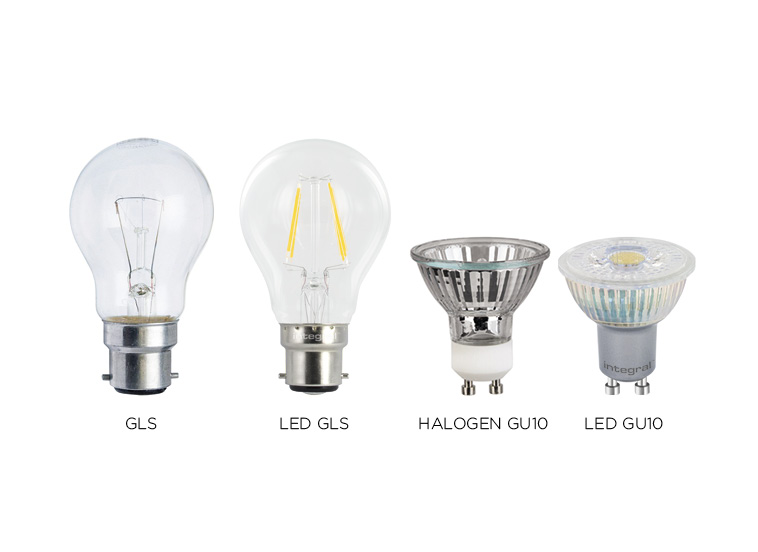
Early "Generation 1" LEDs looked more like alien spaceships than bulbs, but design advances mean modern LEDs are nearly identical to the filament and halogen bulbs you want to replace. Integral LED offers a range of lamps that closely match existing shapes and light outputs.
💡 More Light, Far Less Energy
Over an LED's lifetime, less electricity and fewer replacements are needed-cutting energy use further in transportation, packaging, and maintenance compared to conventional lamps. This adds up to lower CO₂ emissions, a win for both you and the planet. LEDs' high efficiency also makes them ideal for pairing with renewable energy sources like solar panels or wind power.
💡 LEDs Are Safer
LEDs run much cooler than traditional halogen bulbs, reducing hazards (always consult a qualified electrician for local fire safety regulations). Halogens waste energy on heating spaces; using LEDs lets heating or AC systems work more efficiently. Cooler-running LEDs also minimize damage to light fittings, shades, and decor-extending the life of your fixtures.
💡 LED Lighting Attracts Fewer Insects
There's strong evidence that LEDs draw fewer insects, meaning less maintenance and cleaning.
💡 LEDs Are Fun
The range of LED products is expanding-items like color- and brightness-adjustable LED strips make it easy to create light effects almost anywhere.
💡 LED Is The Future
Millions of dollars are invested in R&D to make LEDs even more efficient. Their low power and lightweight design make them perfect for new lighting types (e.g., LED strips, downlights, luminaires) already available. LEDs are also being integrated into control systems, usable remotely via smartphones and tablets.
With falling LED prices, long-term rising energy costs, and improving LED efficiency (more light per unit of energy), the case for switching to LED now is stronger than ever-payback periods are getting shorter.
Integral is dedicated to leveraging new technology to bring you the latest LED products as soon as they hit the market.
Suggested Articles:
GENERAL KNOWLEDGE
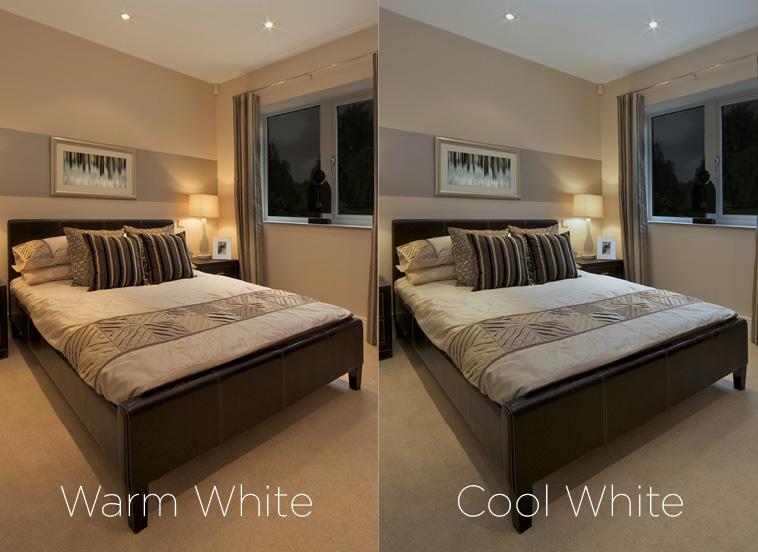
Warm White or Cool White Bulbs
Colour Temperature
With conventional lamps, choosing the "colour of light" they emit was hardly an option for most people. But with many LED products, you get to select from different light colours-and the colour you pick can set the perfect mood for your space.
Continue Reading
GENERAL KNOWLEDGE
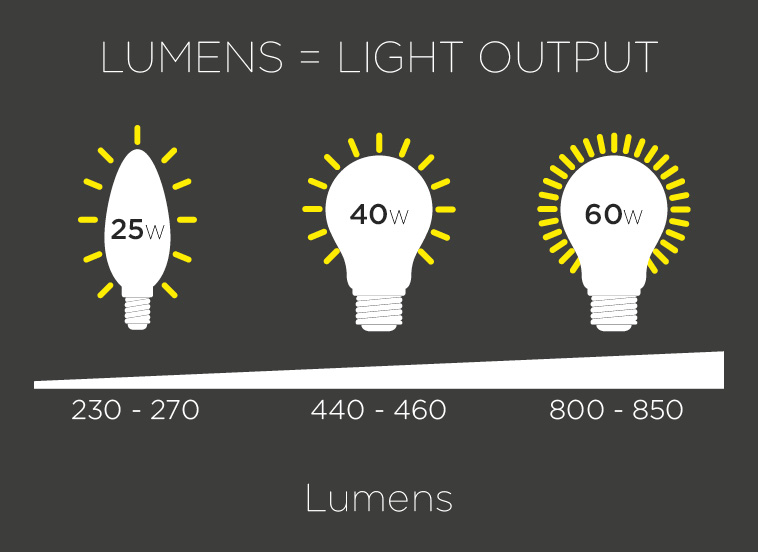
What are Lumens?
Think of lumens as a "new" way of knowing how bright a lamp is. Lumens = Light Output.
Continue Reading
GENERAL KNOWLEDGE
Why Choose LED Lamps and Lightbulbs?
Would you like to save money and improve the environment? Then choosing LED is a simple choice to make. LED lamps are easy to install into existing sockets and you can begin to enjoy significant savings immediately.
Together, we make it better.
Shenzhen Benwei Lighting Technology Co.,Ltd
Mobile/Whatsapp :(+86)18673599565
Email:bwzm15@benweilighting.com
Skype: benweilight88
Web: www.benweilight.com
Add:F Building,Yuanfen Industrial Zone,Longhua,Bao'an District,Shenzhen, China