Why Cleanrooms Use Yellow Light
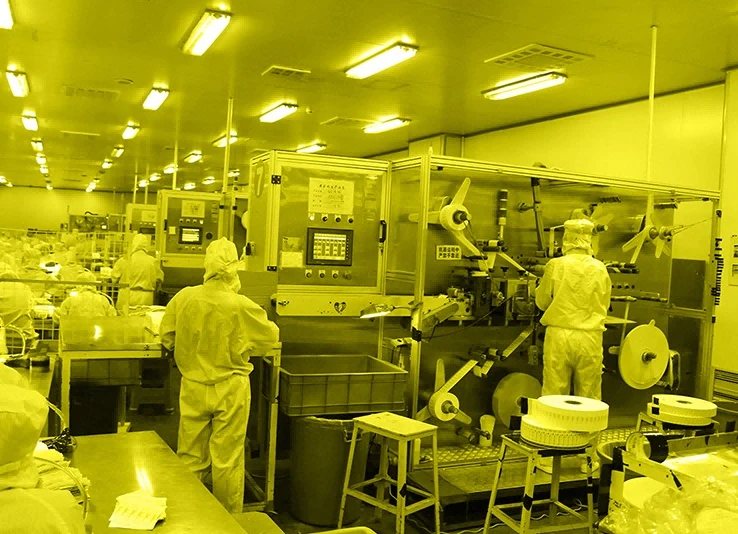
Only some cleanrooms do. Yellow light is used in photolithography areas, mainly in semiconductor, LCD/OLED, MEMS and PCB fabs. Most other cleanrooms (pharma, food, medical devices) use ordinary white light.
The reason: photoresist is light-sensitive
Photoresist is a coating that is exposed through a mask to create circuit patterns. It reacts to UV and short-wavelength visible light (roughly below 500 nm), including:
i-line (365 nm)
h-line (405 nm)
g-line (436 nm)
Normal white LEDs and fluorescent lamps emit a lot of blue and some UV. That light would partially expose the resist before the intended exposure step, causing blurred patterns, line-width errors and lower yield.
Yellow light removes the wavelengths that resist responds to. Resist is far less sensitive above about 500 nm, so staff can see and work without ruining the wafers or substrates.
Typical specifications
Wavelength cutoff: usually ≥ 500 nm, with some fabs specifying 520 nm or higher for more sensitive resists
Appearance: yellow or amber, with almost no energy below the cutoff
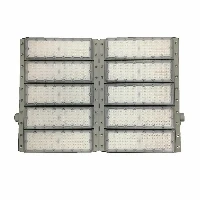
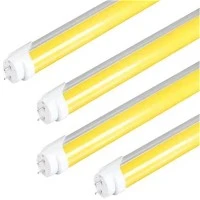
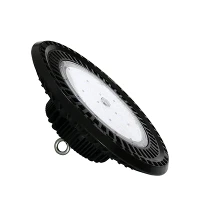
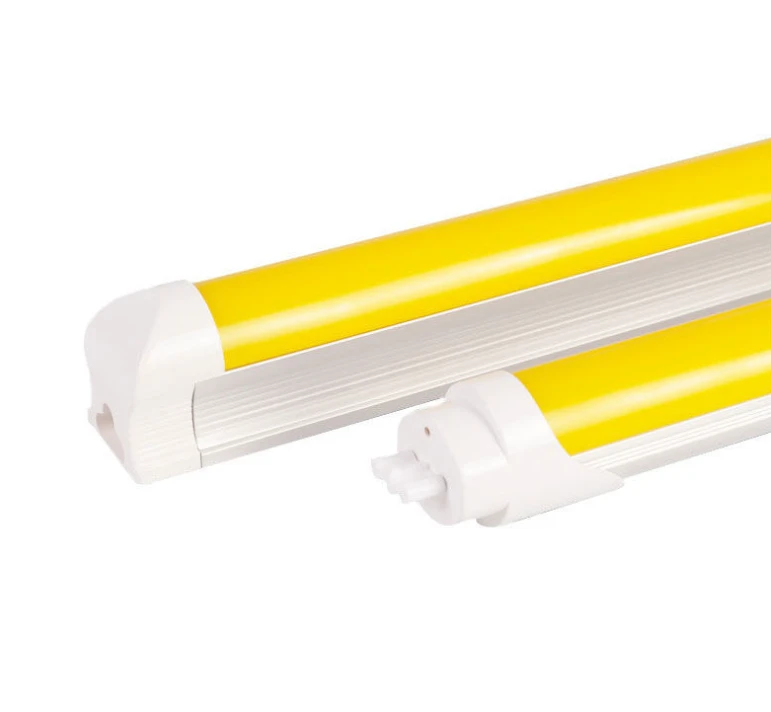
Implementation: yellow-filtered fluorescent tubes, yellow-coated LED tubes, or LED panels designed for yellow-room use. A simple yellow-tinted cover on a white LED can still leak blue light, so check the spectral power distribution rather than just the color.
below is 597nm yellow light diagram: (it is UV free )

Other uses
DUV lithography (248 nm / 193 nm): resists are less sensitive to visible light, but yellow rooms are still common as a precaution
PCB dry film and photo-imaging: the same light-sensitivity issue
Pharma and biotech: light-sensitive drugs, reagents or vitamins sometimes need low-blue or amber lighting
Downsides
Poor color rendering, so colors and contamination are harder to see
Eye fatigue and a less comfortable workplace
Staff sometimes need supplementary white task lighting outside the photo area, with a physical separation to prevent light leakage
If you are specifying lights for one
Confirm the resist type and its sensitivity range with the process engineers.
Ask for the spectrum and the cutoff wavelength in writing.
Choose fixtures rated for the cleanroom class (ISO 5-8 and so on): sealed, smooth, and easy to clean.
If you are choosing cleanroom lighting, tell me the ISO class and process, and our company can help with fixture type and spec points.
you can see more information on https://www.benweilight.com/lighting-tube-bulb/yello-cover-tube-light/t8-led-yellow-light-tubes-for-lithography.html