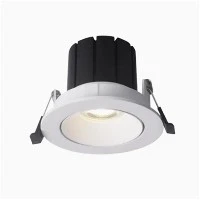
Flicker-free LED lamps are important for eye comfort and overall visual health because many ordinary LEDs produce rapid, often invisible fluctuations in light intensity (called temporal light modulation or flicker). Even when you cannot consciously see the flicker, your eyes and brain can still detect and react to it.
What is LED flicker?
LEDs turn on and off extremely quickly. Cheaper drivers often use pulse-width modulation (PWM) to control brightness, creating rapid on/off cycles (commonly at 100–120 Hz or higher).
Visible flicker: usually below ~60–80 Hz.
Invisible (or "imperceptible") flicker: higher frequencies that most people cannot consciously see, but the visual system still processes.
High-quality flicker-free LEDs use better constant-current drivers or high-frequency designs that keep light output stable (very low percent flicker / flicker index).
Why it matters for the eyes and brain
Even invisible flicker forces the visual system to work harder:
The eyes and brain continuously try to adapt to the fluctuating light.
This increases neural processing load and can disrupt smooth eye movements (saccades).
Over time it leads to visual fatigue (asthenopia).
Common effects linked to flicker include:
Eye strain, tired or dry eyes
Headaches and migraines (especially in sensitive people)
Blurred or fluctuating vision
Reduced concentration and visual task performance (e.g., reading)
Fatigue and discomfort after prolonged exposure
In rare sensitive cases: dizziness, nausea, or triggering of photosensitive conditions
Research (including work underlying the IEEE 1789 recommended practice) and studies on fluorescent and LED lighting have documented these links. Migraine sufferers and some children appear more sensitive. The stroboscopic/phantom-array effect (moving objects looking discontinuous) can also occur and further stress the visual system.
Who benefits most from flicker-free lighting?
People who work or study under artificial light for many hours
Those prone to headaches or migraines
Children (developing visual systems)
Anyone experiencing unexplained eye discomfort under LEDs
Practical tips
Look for products labeled flicker-free, low flicker, or meeting IEEE 1789 low-risk guidelines.
Simple test: point a smartphone camera at the light - visible dark bands or stripes often indicate significant flicker.
Prefer high-quality brands with good drivers; dimming can sometimes introduce or worsen flicker if the system is poorly designed.
Combine with good overall lighting practices (adequate brightness, low glare, appropriate color temperature).
Bottom line: Stable, flicker-free light reduces unnecessary stress on the visual system. It does not "cure" eye problems, but it helps prevent a common and avoidable source of discomfort, especially during long periods of indoor lighting use. you can see more flicker free led lamp information on https://www.benweilight.com/ceiling-lighting/led-downlights/recessed-led-down-light-can-light-dimmable.html