Why have LED lights become the mainstream trend today?
Have you noticed that in previous articles, we've often only mentioned LED lights? Whether in our daily lives or at work, LED lights are ubiquitous. But do you really understand why they've become so ubiquitous?
For those working in the lighting industry, striking a balance between energy efficiency and performance, while also meeting design and practical requirements, has always been a thorny issue.
While traditional lamps have their advantages, they suffer from numerous shortcomings in terms of energy efficiency, lifespan, and environmental friendliness. The emergence of LED lights addresses these pain points. Their popularity stems not only from their energy efficiency and long lifespan, but also from the many interesting features they offer in a variety of applications.
So, what factors have driven the rise of LED lights, making them the "stars" of today's lighting landscape? Today, let's explore the story behind the rise of LED lights!
Origins of Electric Lighting
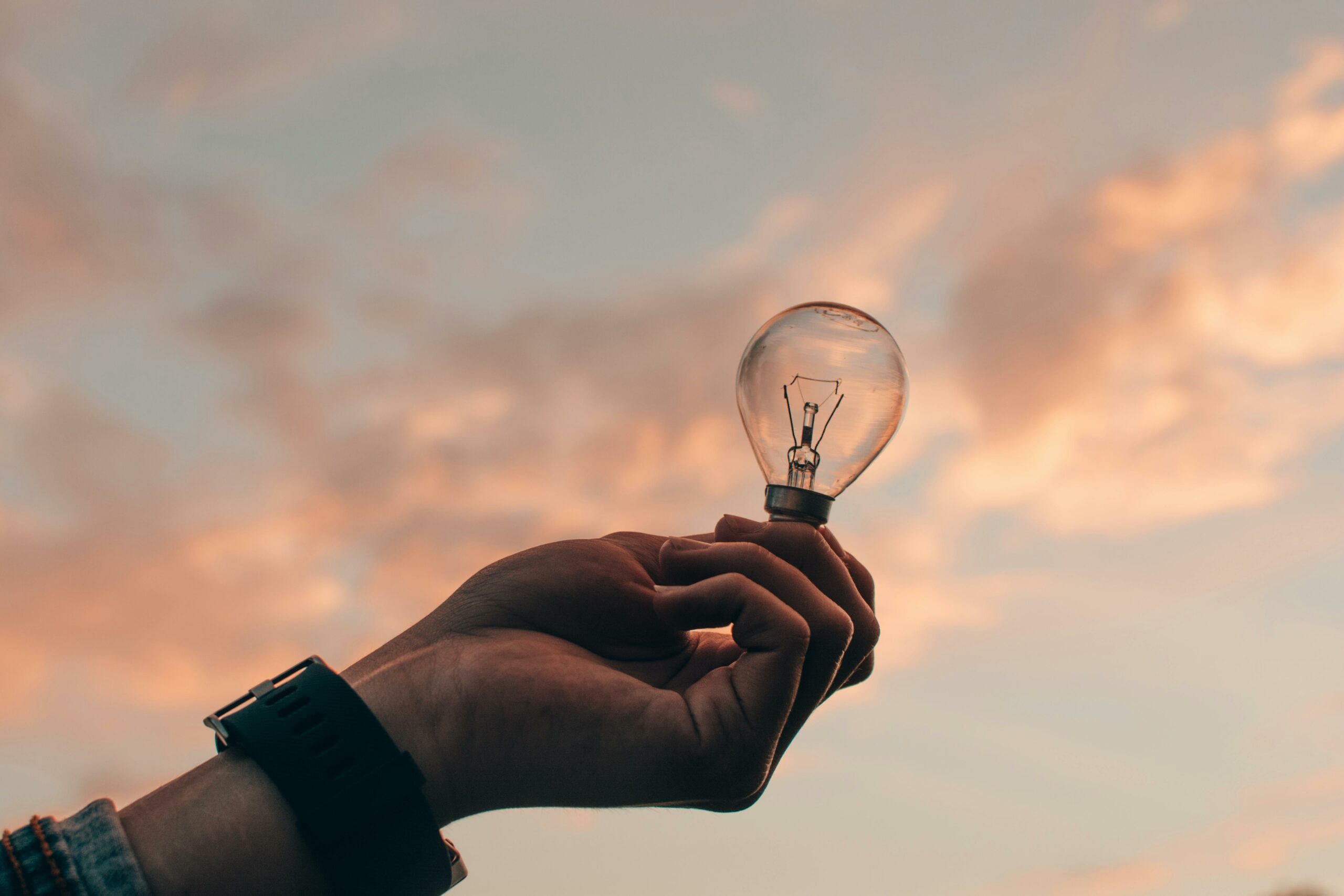
The development of lighting technology has gone through several important stages. As early as the late 19th century, the invention of the incandescent lamp ushered in the era of electric lighting.
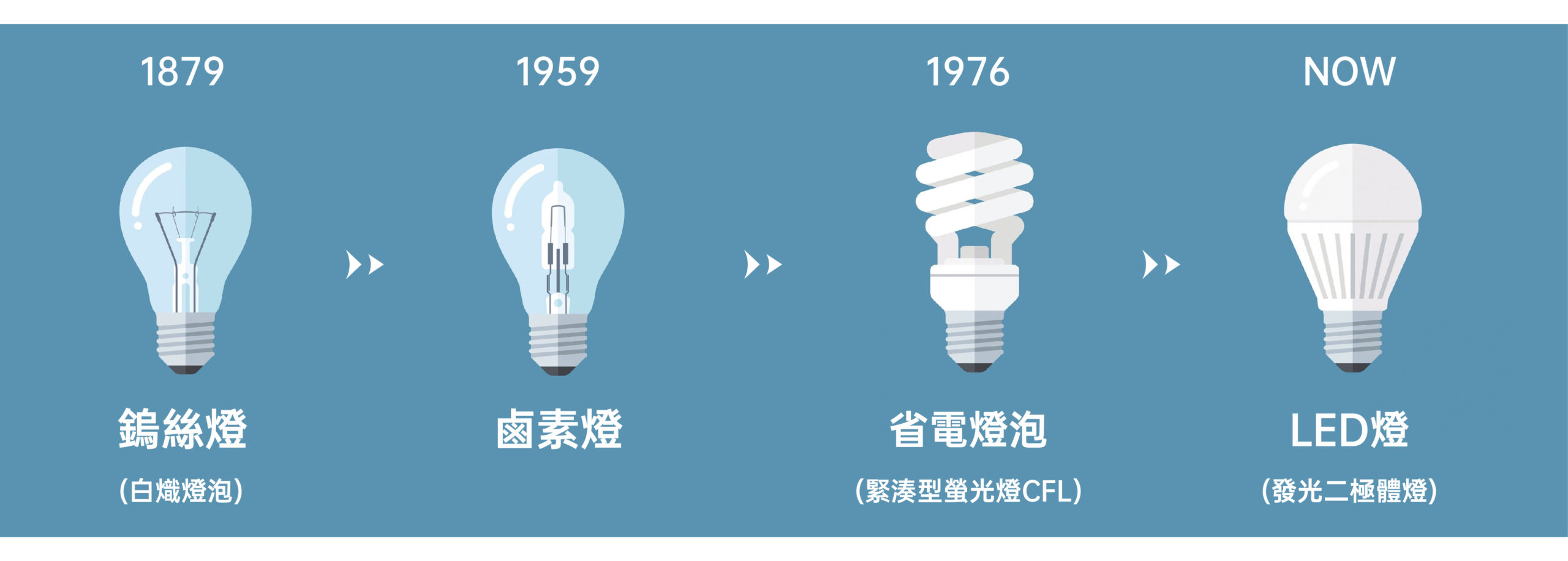
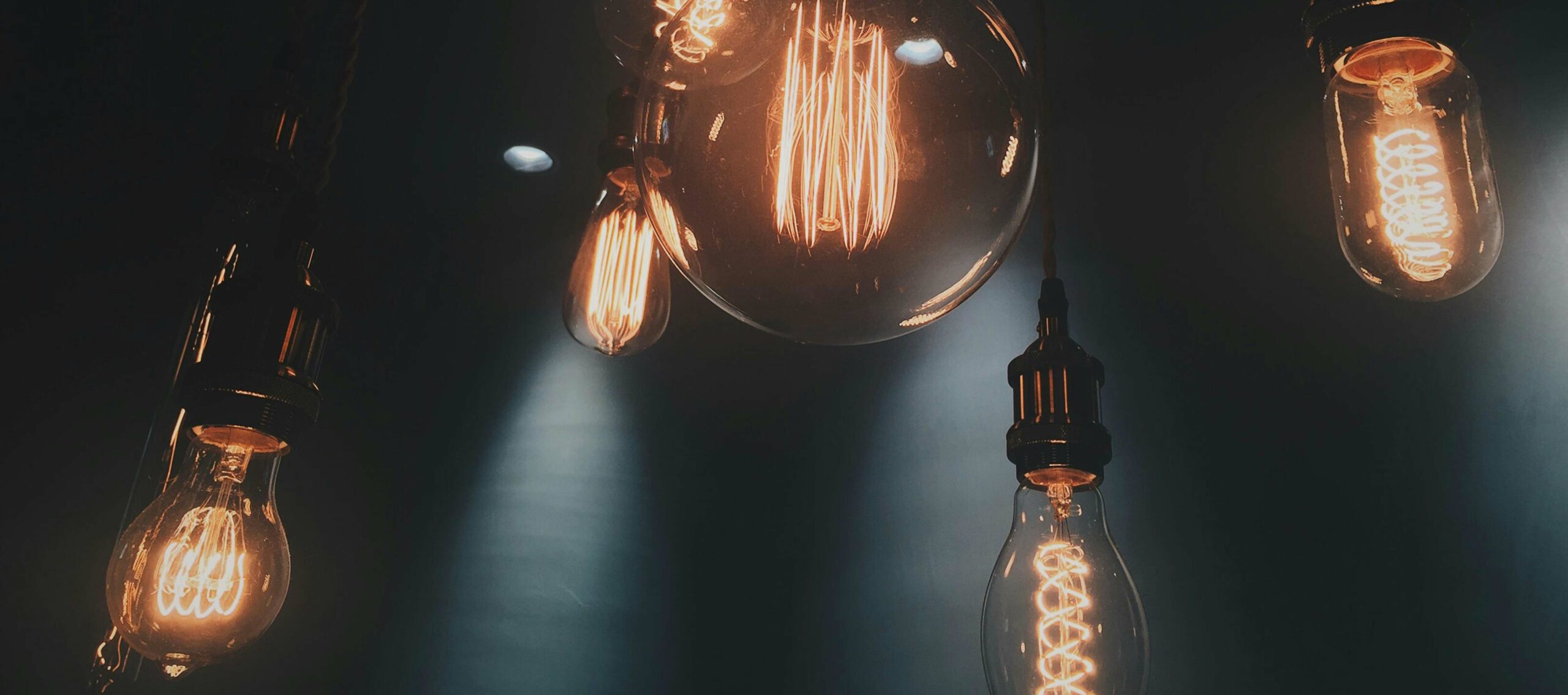
Incandescent Bulb / Filament Lamp / Tungsten Filament Lamp
In 1854, Henry Goebbels successfully developed an incandescent light bulb that used electricity to generate light. Although he did not receive a formal patent, this technology laid the foundation for subsequent developments.
In 1879, Thomas Edison, who also received a patent, developed an improved and commercially viable carbonized bamboo filament lamp, which became popular worldwide in the 1880s.
Finally, William Coolidge, a physicist at General Electric, further improved the filament material and successfully mass-produced tungsten filament bulbs at low cost in 1910. Tungsten filament has been the raw material for incandescent lamps ever since, until the advent of fluorescent tubes and LEDs, which gradually replaced the electric light bulb.
Halogen Lamps
Tungsten filament lamps offer advantages such as continuous, uniform light and excellent color rendering. However, they consume a lot of power, have a short lifespan, and the tungsten filament sublimates and condenses on the glass envelope, causing the glass to darken easily.
In the 1930s, halogen lamps emerged as an improved version of incandescent lamps. By adding halogen elements, their brightness increased by 1.5 times and their lifespan was 2 to 3 times longer than that of ordinary incandescent lamps.
In 1959, General Electric commercialized the halogen bulb. Its high efficiency and long life, combined with its use of the tungsten-halogen cycle to solve the problem of glass darkening, made it particularly suitable for automotive and stage lighting.
Mercury Vapor Lamp / Fluorescent Lamp
In 1901, Peter Cooper Hewitt invented the mercury vapor lamp, a predecessor of early fluorescent lamps, initially used for industrial and commercial lighting.
The oil crisis of the 1970s boosted demand for energy-efficient light bulbs, and in 1976, Edward E. Hammer of General Electric invented the modern compact fluorescent lamp (CFL). However, the invention was shelved due to the high cost of building a factory. Although it failed to achieve large-scale commercialization, it paved the way for subsequent technological developments.
The Origins of LED Lighting
In 1962, the first red LED was invented in the United States by Nick Holoniak. However, early LEDs only emitted a single color of light and were inefficient, primarily used for indicator lights and displays.
It wasn't until the mid-1990s, with the advent of blue and white LEDs, that LEDs became a reliable general-purpose lighting source.
Beginning in the 2010s, LEDs began to be used in automotive and rail vehicle lighting fixtures. Some high-end vehicle models are also gradually replacing traditional halogen and high-intensity discharge (HID) headlights with LEDs.
As incandescent lamps slowly faded into the shadows of fluorescent lamps, the trend of lighting technology continued to advance. Today, LED lamps, with their advantages, have gradually emerged and become the mainstream technology in the lighting industry.
How LED Lamps Emit Light
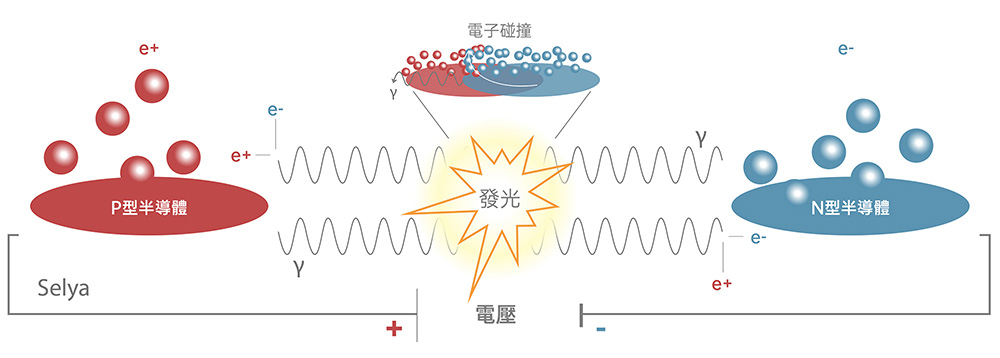
LED lamps use light-emitting diodes (LEDs) as their light source, a form of solid-state lighting technology. When current passes through an LED chip, it excites electron-hole pairs within it, generating photons and emitting light.
What are electron-hole pairs?
LEDs are solid-state light emitters (SSL). When current is applied, the positive electrode of an LED generates positrons through the P-type semiconductor, while the negative electrode of the N-type semiconductor generates negative electrons. Current flows from the P-pole (positive) to the N-pole (negative), and the interaction of these two forces (positive and negative electrons) produces light (energy).
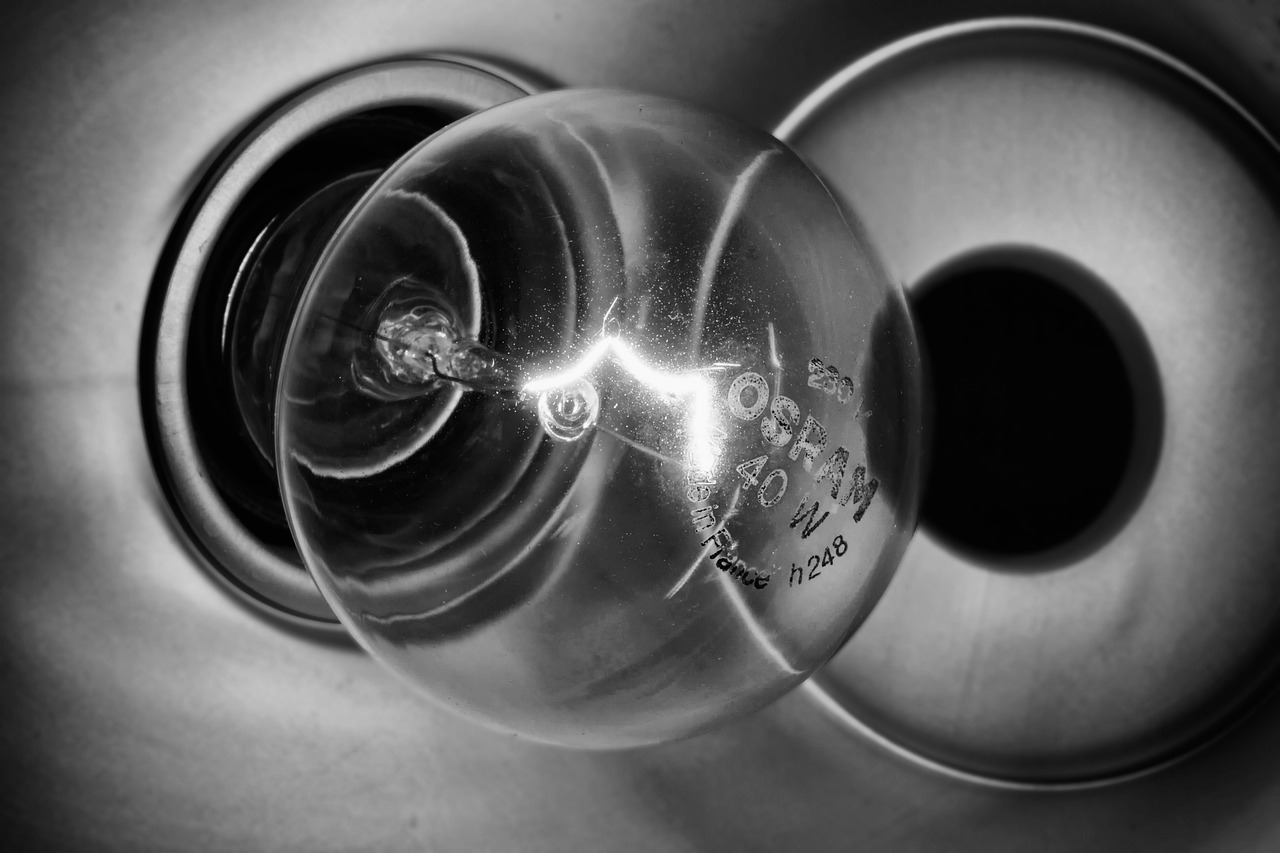
Unlike traditional incandescent and halogen lamps, LEDs produce light without the need for heating. This results in high luminous efficiency, reaching 100 to 200 lumens per watt, far exceeding these two lamps. Companies like Cree in the United States even claim their LED lamps can achieve 300 lumens per watt.
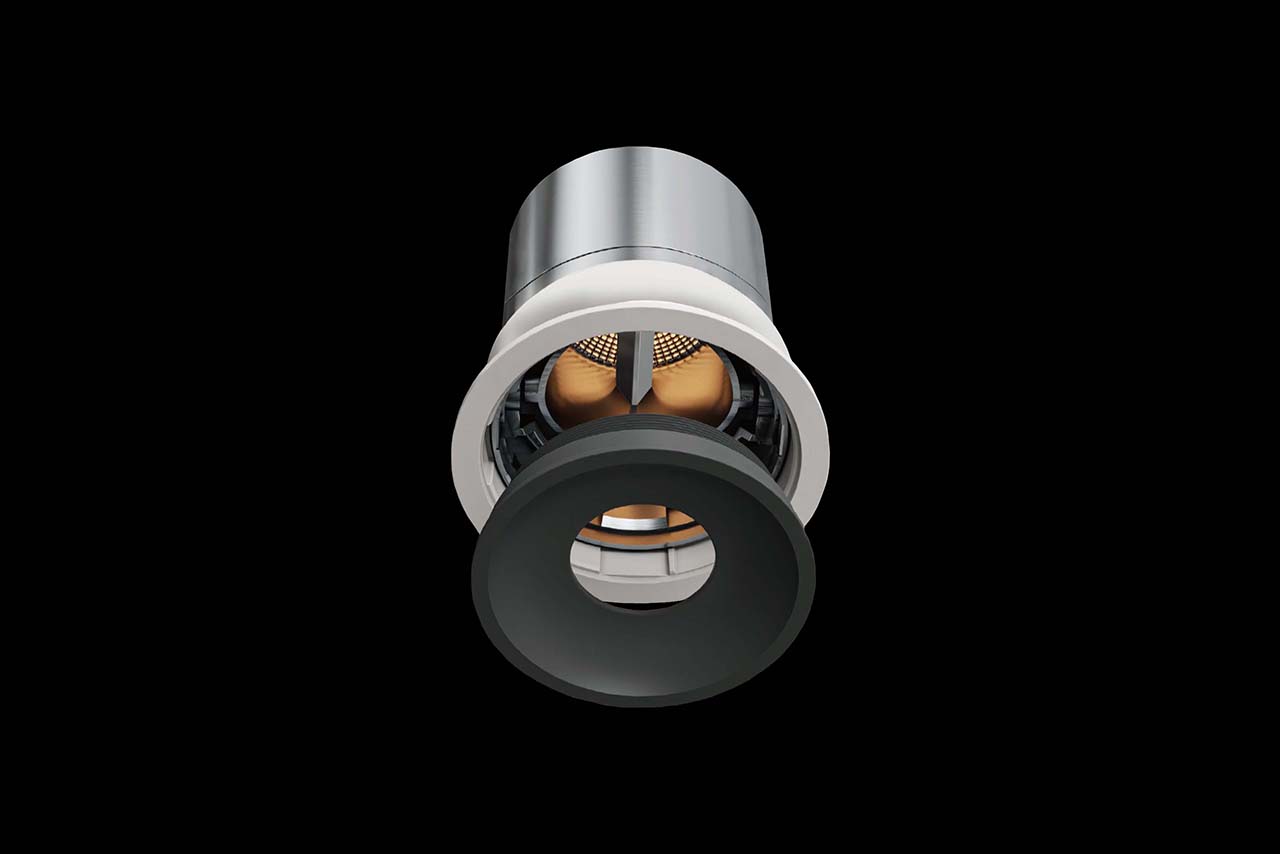
Electric current passes through the LED chip, generating photons to emit light.
The internal structure of an LED light consists of multiple LED chips, a driver circuit, a heat sink, and optical components. Because the luminous efficiency of a single LED chip is lower than that of traditional lighting sources, multiple LED chips are often packaged in a single bulb to address the problem of insufficient light output from a single LED.
The driver circuit in an LED light converts everyday AC power into DC power and controls the voltage and current supply to protect the LED from damage caused by excessive voltage. The heat sink dissipates heat to prevent the LED from overheating, which can affect its lifespan and performance.


LED lights can emit light of varying colors, depending on the semiconductor materials and structure used. White light is commonly used for lighting. There are two methods for producing white LEDs: mixing red, green, and blue LEDs, or using phosphors to shift the color of the light.
The former is more expensive but allows for tunable light color; the latter is less expensive and offers a higher color rendering index (CRI), but with a slight reduction in efficacy.
Today, high-power, high-brightness LED chips are being released one after another. LED lights can also be designed based on different materials and structures, bringing more possibilities to lighting design. These advantages make the trend of LED bulbs gradually replacing other light sources increasingly obvious.
Issues that cannot be ignored in LED lamps
From home lighting to commercial lighting, from outdoor lighting to traffic signs, LED lights have many advantages that are already well-established in everyday applications:
Energy Saving and Environmental Protection
LED lights are highly energy-efficient, saving approximately 50-90% of electricity compared to high-pressure sodium and mercury vapor lamps, significantly reducing electricity bills and carbon emissions. Furthermore, LED light sources are mercury-free and emit no UV radiation, making them more environmentally friendly and health-conscious.
Long Life and Stability
LED lights have a long lifespan, typically exceeding 100,000 hours-five times that of high-pressure sodium lamps and over ten times that of mercury vapor and traditional incandescent lamps. This significantly reduces maintenance costs, making them suitable for applications requiring long-term, stable operation.
Highly Flexible
LED lights are compact and can be flexibly designed into a variety of shapes. Using smaller reflectors and lenses, even light distribution can be easily achieved without sacrificing energy efficiency. Their unbreakable and dimmable properties open up new possibilities for lighting spaces.
Safe and Harmless
LED lights use low-voltage current, ensuring high safety. They operate within the traditional 12-24V range and pose no risk to the human body.
However, while LED lights are becoming the dominant technology in the lighting industry, they also have some disadvantages that require attention:
High Heat Dissipation Requirements
LED lights require good heat dissipation design, otherwise they will experience light degradation when used in high-temperature environments. They require a transformer-driven power supply, and the life of the power supply is affected by heat. Heat dissipation devices make the lamps heavier and larger, making them unsuitable for certain applications.
Color shift in humid environments
LED lights are suitable for low-temperature environments, but they may experience color temperature shifts if placed in humid environments, and waterproofing further increases costs.
Cheaper lights have questionable quality.
Poorly designed LED lights are difficult to recycle after wear and tear, which is not environmentally friendly. The market is mixed with good and bad products, making it difficult for consumers to judge quality, and some manufacturers' guarantees are merely slogans.
Every mature technology has its drawbacks, and the flaws of LED lamps can cause designers to worry when choosing them.
As a professional lighting planning and design company, we possess extensive expertise and experience, enabling us to not only select high-quality products but also reduce intermediary costs, providing high-quality and affordable lighting solutions.
We also provide comprehensive lighting planning and after-sales maintenance services, ensuring that every lighting project meets the designer's needs and expectations. Our expertise and attentive service ensure that designers can use our products with peace of mind.
The Importance in Practical Applications


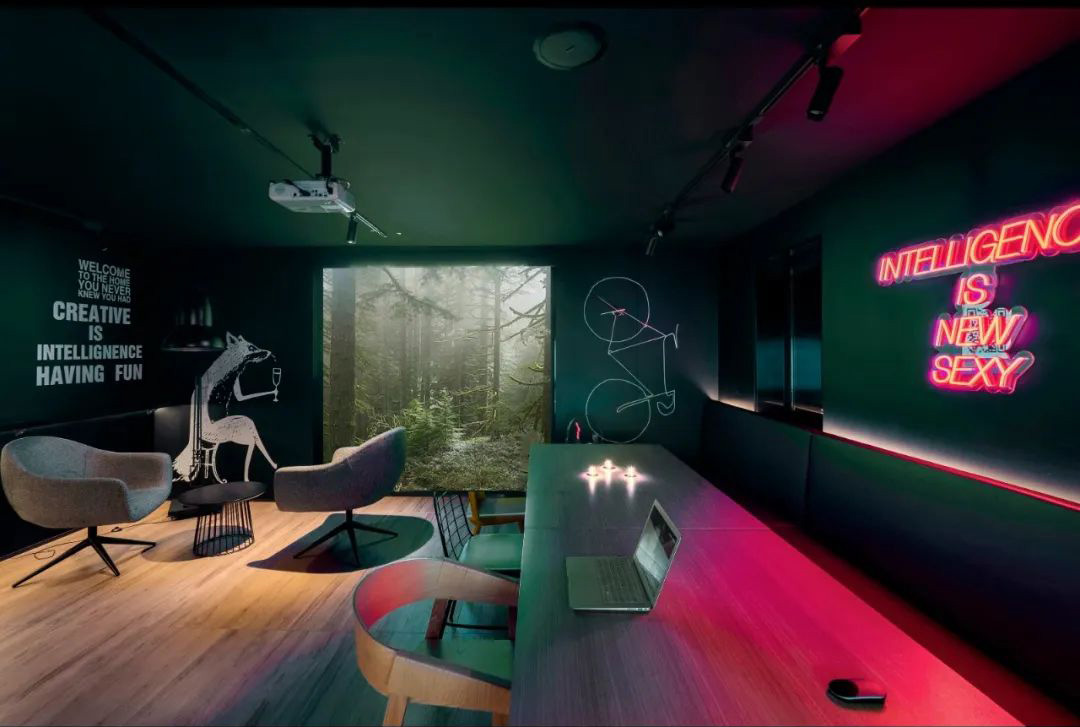
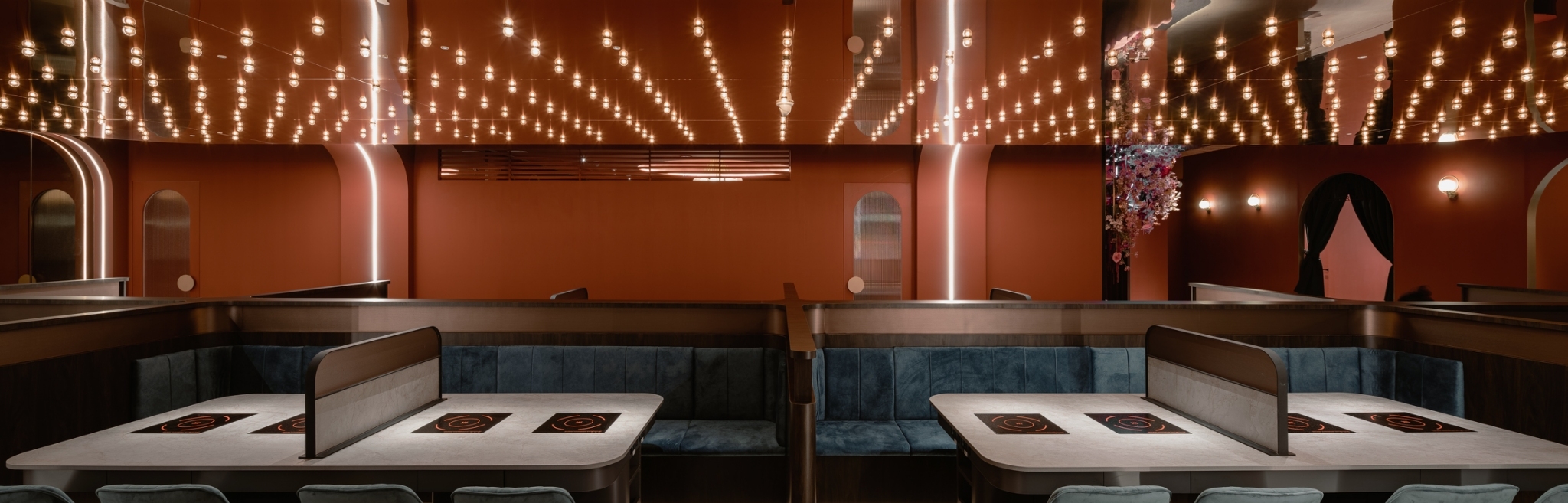
LED lamps offer a wide range of color options, creating a comfortable and cozy home environment.
LED lamps are durable and energy-efficient, ideal for streets, parks, stadiums, and outdoor areas.
LED lamps offer precise lighting for various commercial settings, enhancing visual experiences.
LED lamps provide optimal lighting for plants, with minimal heat emission, reducing transpiration and promoting growth.
Contemporary Mainstream of LED Lighting
The key to LED lighting's dominance in the lighting industry lies in its superior performance and broad application prospects. With advantages such as high energy efficiency, long lifespan, and environmental friendliness, LED lighting is undoubtedly a key player in the future lighting market.
In the LED market, we often see many well-known brands, such as CREE (USA), OSRAM (Germany), and San'an (China). Each lighting manufacturer can be considered an "assembly yard", receiving chips from the chip factory, encapsulating them at the packaging factory, and finally sending them to the lighting factory for assembly. While designers may prefer well-known brands, the ultimate quality still depends on the quality of the packaging factory's supply.
Therefore, when selecting LED lamps, it's important to consider not only the brand but also the overall product quality and production process. This ensures that the selected LED lamp will achieve optimal performance in actual use and provide a comfortable lighting experience.
For users, choosing LED lamps not only brings a more comfortable lighting experience to their homes or commercial spaces, but also significantly reduces electricity bills and contributes to environmental protection.
With many years in the lighting industry, we have a deep understanding of market trends and technological demands. Leveraging our extensive professional experience, we not only provide high-quality lighting products but also strive to select premium products, optimize costs, and ensure that each lighting solution meets the designer's needs. We also offer comprehensive lighting planning and comprehensive after-sales service.
With the continuous advancement of LED technology, the entire lighting industry is moving towards higher efficiency and environmental friendliness. We are committed to keeping pace with this trend by providing advanced lighting solutions that meet customers' dual needs for practicality and environmental friendliness, bringing more innovation and value to the lighting market.
Shenzhen Benwei Lighting Technology Co., Ltd.
Telephone: +86 0755 27186329
Mobile(+86)18673599565
Whatsapp :19113306783
Email:bwzm15@benweilighting.com
Skype: benweilight88
Web: www.benweilight.com
https://www.benweilight.com/lighting-tube-bulb/20w-t8-led-tube-light.html