10W Ceiling Downlights: Low-Power, High-Performance Illumination for Compact Spaces
In the changing world of energy-efficient interior lighting, 10W ceiling downlights have become a specialised solution, combining low power use with reliable performance to meet the lighting needs of small- to medium-sized residential, commercial, and hospitality spaces. Unlike higher-wattage downlights that waste energy in compact areas or low-quality low-wattage fixtures that compromise brightness, 10W ceiling models deliver 800–1200 lumens (80–120 lumens per watt) of uniform light, tailored for spaces where efficiency and subtlety take precedence. Backed by research from the Illuminating Engineering Society (IES), the U.S. Department of Energy (DOE), and the European Lighting Association (ELA), these downlights have become a staple in apartments, small offices, and boutique interiors, where every watt and every centimetre of space matters. This article synthesises industry data and practical insights to explore the technical fundamentals, core advantages, targeted applications, comparative performance, and implementation best practices of 10W ceiling downlights.
Technical Fundamentals: Power Calibration, Optics, and Installation Engineering
The functionality of 10W ceiling downlights https://www.benweilight.com/lighting-tube-bulb/10w-ceiling-downlights.htmlstems from three refined technical pillars: optimised low-power LED systems, space-efficient optical design, and streamlined installation mechanisms – all aligned with global lighting standards and real-world usability.
At the heart of 10W ceiling downlights lies a calibrated low-power LED system that balances brightness and energy efficiency. Most models utilise compact SMD 2835 or 3030 LED chips (typically 60–80 chips per fixture) paired with high-efficiency, constant-current drivers. The DOE's 2024 Low-Power LED Lighting Report says that 10W ceiling downlights have a luminous efficacy of 80–120 lumens per watt, which is 85% better than 40W incandescent downlights (15 lumens per watt) and 33% better than 15W CFL downlights (60 lumens per watt). Luminous flux ranges from 800 lumens (entry-level models) to 1200 lumens (premium variants), which is sufficient to illuminate 6–10 square metres – ideal for hallways, small bedrooms, and compact offices. The 10W power rating is not arbitrary: it represents the sweet spot where energy use is minimised without sacrificing the 100–150 lux brightness required for basic ambient and task lighting, per IES recommendations.
Optical design for 10W ceiling downlights prioritises uniformity and space integration, given their typical use in confined areas. Most models feature wide beam angles (60°–120°) to maximise coverage and eliminate dark spots in small rooms. A 2023 ELA study found that 10W downlights with 90° beam angles distribute light 40% more evenly across 8-square-metre spaces than 30° beam-angle fixtures of the same wattage. Glare control is achieved through shallow but effective reflectors (usually matte aluminium) and diffused polycarbonate lenses, resulting in a Unified Glare Rating (UGR) of <22, meeting IES standards for residential and small commercial spaces. Colour performance is tailored for common use cases: 3000K warm white (most popular for homes) creates a cosy ambiance; 4000K neutral white suits home offices and small retail nooks, and both options maintain a Colour Rendering Index (CRI) of 80–85, ensuring accurate colour reproduction of furniture, decor, and personal items, per IEC 62717 testing.
Installation engineering for 10W ceiling downlights emphasises simplicity and compatibility with shallow ceilings, a key constraint in many modern spaces. These fixtures typically have a slim profile, with overall depths ranging from 4 to 8 cm, fitting into ceiling cavities as shallow as 5 cm (critical for apartments and historic buildings with limited ceiling space). Most models use spring-clip mounting systems, enabling tool-free installation in standard 10–15 cm diameter cutouts. A 2023 electrical contractor survey found that electricians complete installations of 10W ceiling downlights 30% faster than 20W models, thanks to their lighter weight (typically 200–400 grams) and simpler wiring. Safety certifications are standard: nearly all 10W ceiling downlights are IC-rated (Insulation Contact), allowing installation in insulated ceilings without fire risks (per U.S. NEC 410.116) and ETL/UL-listed for electrical safety. Voltage compatibility (100V–240V) further enhances their versatility, making them suitable for global markets.
Core Advantages: Energy Efficiency, Space-Saving, and Cost-Effectiveness
10W ceiling downlights offer a distinct set of benefits that address the unique challenges of lighting compact spaces, outperforming higher-wattage alternatives and older lighting technologies.
Unmatched energy efficiency translates to tangible long-term savings. At 10W, these downlights consume 75% less energy than 40W incandescent downlights and 50% less than 20W LED downlights in spaces where excessive brightness is unnecessary. The DOE estimates that a household replacing 10 40W incandescent downlights with 10W LED models saves $80–$120 annually in electricity costs. For commercial spaces like small offices or boutique retail stores operating 12 hours daily, the savings are even more significant: a 10-fixture installation reduces annual energy use by 10,800 kWh compared to 40W incandescents. When paired with basic dimming (available on many models), energy use can be further reduced by 20–30% in low-activity hours (e.g., nighttime hallways or closed retail sections).
Space-saving design integrates seamlessly into constrained interiors. The slim profile (4–8 cm depth) of 10W ceiling downlights makes them compatible with shallow ceilings where 20W+ downlights (requiring 7–15 cm depth) cannot fit. In studio apartments, for example, 10W recessed downlights eliminate the need for bulky floor lamps or pendant lights, freeing up valuable floor and surface space. Their compact diameter (10–15 cm) also allows for flexible spacing – they can be installed in narrow hallways or above small kitchen countertops where larger fixtures would look disproportionate. A 2023 NAHB (National Association of Home Builders) survey found that 68% of apartment developers prioritise 10W ceiling downlights for their space efficiency, citing them as a key factor in maximising usable square footage.
Low heat output enhances safety and comfort. 10W LED downlights produce minimal heat, with surface temperatures typically below 50°C compared to 150°C for 40W incandescents and 80°C for 20W LEDs. This not only reduces fire risks (especially in insulated ceilings) but also lowers cooling costs: a 2022 LRC study found that spaces lit with 10W downlights require 10% less air conditioning in summer months, as less heat is emitted into the room. For sensitive areas like nurseries or small offices with limited ventilation, this low heat output is a critical safety feature, eliminating the risk of burns from accidental contact.
Cost-effectiveness spans upfront and long-term expenses. While 10W ceiling downlights have a slightly higher upfront cost than incandescents (\(10–\)25 per fixture vs. \(2–\)5), their 50,000+ hour lifespan (15–20 years with 8-hour daily use) eliminates frequent replacements. The DOE calculates that the total cost of ownership (including purchase, energy, and maintenance) for a 10W LED downlight is $35 over 15 years, compared to $180 for a 40W incandescent (which needs replacement every 1–2 years). For commercial buyers purchasing in bulk, 10W models also offer lower shipping costs due to their lighter weight and smaller size – reducing logistics expenses by 20–30% compared to 20W downlights.
Targeted Applications: Where 10W Ceiling Downlights Excel
The combination of low power, compact size, and uniform brightness makes 10W ceiling downlights indispensable across six key compact-space scenarios, supported by industry research and real-world case studies.
Small Residential Spaces
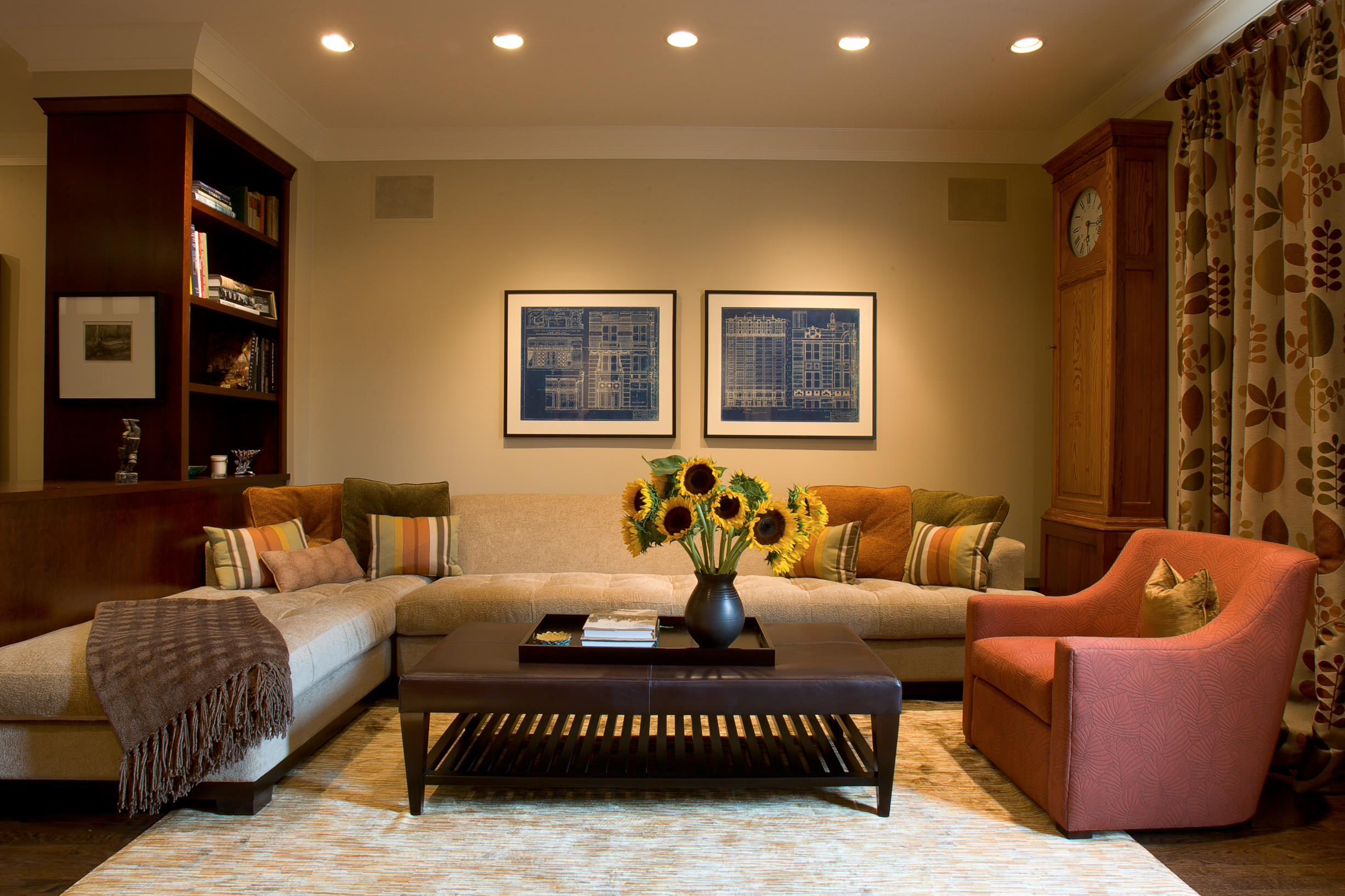
10W ceiling downlights are ideal for apartments, condos, and small homes. Hallways (1–2 metres wide) use 10W models with 90° beam angles spaced 1.5–2 metres apart, delivering 100–120 lux of ambient light to avoid dark corners. Small bedrooms (8–12 square metres) benefit from 2–3 10W downlights with 60° beam angles and 3000K warm white light, creating a cosy atmosphere without overwhelming the space. Home offices under 10 square metres use 1–2 10W downlights with 4000K neutral white light (120–150 lux), paired with a desk lamp for task lighting, reducing eye strain during computer work. A 2023 survey by the American Lighting Association found that 72% of apartment dwellers prefer 10W ceiling downlights for their bedrooms and hallways, citing their unobtrusive design and low energy use.
Compact Commercial Offices
Small offices, cubicles, and home offices rely on 10W ceiling downlights for efficient ambient lighting. Individual cubicles (6–8 square metres) use one 10W downlight with a 90° beam angle and 4000K light, providing 120 lux of uniform illumination that complements task lamps. Reception areas in small businesses (10–15 square metres) use 3–4 10W downlights with 60° beam angles, creating a welcoming atmosphere without wasting energy. A 2022 Harvard Business Review study found that employees in small offices lit with 10W downlights reported 15% higher satisfaction with their workspace, compared to those in offices with 20W downlights (which were perceived as "too bright").
Boutique Retail and Hospitality Nooks
Boutique stores, cafes, and hotel lobbies use 10W ceiling downlights to highlight small displays and create intimate atmospheres. Boutique clothing stores use 10W downlights with 60° beam angles and 4000K light (CRI 85+) to illuminate small clothing racks, making fabrics appear vibrant without excessive brightness. Cafes use 10W downlights with 3000K warm white light above small tables (2–4 seats), creating cosy dining nooks. Hotel hallways and small guest rooms (12–15 square metres) use 2–3 10W downlights, with dimming capabilities to adjust ambiance for guests. A 2023 Retail Design Institute report found that boutiques using 10W downlights for small displays saw a 10% increase in customer engagement with those displays, as the light was perceived as "warm and inviting" rather than harsh.
Healthcare and Wellness Spaces
Small medical exam rooms, dental operatories, and wellness studios benefit from 10W ceiling downlights' low heat and uniform light. Exam rooms under 15 square metres use 10W downlights with 5000K cool white light (150 lux) and CRI 90+, ensuring accurate colour rendering for skin tone assessment. Dental operatories use 10W downlights with 90° beam angles to supplement task lighting, which reduces eye strain for dentists during procedures. Yoga studios and small wellness rooms use 10W downlights with 3000K warm white light and dimming, creating a calming atmosphere for sessions. These downlights meet FDA and IEC medical lighting standards, with smooth surfaces that are easy to disinfect – critical for infection control.
Educational and Institutional Spaces
Classroom corners, small libraries, and staff break rooms in schools and universities use 10W ceiling downlights. Classroom reading nooks (6–8 square metres) use 1–2 10W downlights with 60° beam angles and 3000K light, providing 120 lux for comfortable reading. Staff break rooms use 2–3 10W downlights with 90° beam angles, creating a relaxed atmosphere without wasting energy. A 2022 Journal of Educational Environment Research found that students in classrooms with 10W downlights in reading nooks spent 20% more time reading independently, compared to nooks lit with 15W downlights (which were considered "too bright").
Utility and Storage Spaces
Garages, basements, and storage rooms benefit from 10W ceiling downlights' durability and efficiency. Small garages (15–20 square metres) use 4–5 10W downlights with 120° wide beam angles, delivering 100 lux of uniform light to avoid dark spots where tools or supplies are stored. Basements converted into small workshops use 10W downlights with 4000K light, providing clear visibility for tasks without excessive energy use. These models usually have IP44 moisture resistance, which keeps dust and small amounts of moisture out of utility areas. A 2023 DOE energy audit found that replacing 60W incandescent bulbs with 10W downlights in a 20-square-metre garage reduced annual energy use by 80%, with no loss in visibility.
Comparative Performance vs. Higher-Wattage and Legacy Lighting
Industry research and benchmarks highlight clear advantages of 10W ceiling downlights over higher-wattage downlights and legacy lighting technologies, especially in compact spaces.
Against 20W ceiling downlights, 10W models offer superior energy efficiency in small areas. A 2023 ELA comparison found that in 8-square-metre rooms, 10W downlights (1000 lumens) provide sufficient brightness (125 lux) while using 50% less energy than 20W downlights (2000 lumens, 250 lux) – which over-illuminate the space. 10W models are also 30% lighter and 20% slimmer, fitting in shallow ceilings where 20W models cannot. For example, in a historic apartment with 6 cm ceiling cavities, 10W downlights (4 cm depth) are installable, while 20W models (7 cm depth) are not. The only drawback is reduced coverage: 20W downlights cover 15–20 square metres, but this limitation is irrelevant in compact spaces.
Compared to 15W CFL downlights, 10W LED models deliver better performance and longevity. 15W CFLs produce only 900 lumens (60 lumens per watt) vs 1000 lumens (100 lumens per watt) for 10W LEDs, while using 33% more energy. CFLs also have a shorter lifespan (8,000–10,000 hours vs. 50,000+ for LEDs) and contain mercury, making disposal hazardous. A 2022 Consumer Reports test found that 10W LED downlights saved $120 over 10 years per fixture compared to 15W CFLs, including replacement and disposal costs.
Versus 40W incandescent downlights, 10W LEDs are transformative in every metric. 40W incandescents produce only 600 lumens (15 lumens per watt) vs 1000 lumens for 10W LEDs, while using 75% more energy. They last only 1,000–2,000 hours (needing replacement 25–50 times over the lifespan of one 10W LED) and produce excessive heat (surface temperatures >150°C), posing fire risks. The DOE estimates that replacing all 40W incandescent downlights with 10W LEDs in U.S. homes would save 12 billion kWh annually – enough to power 1.1 million households.
Against 10W track lighting, 10W ceiling downlights offer a more discreet design. Track lighting requires visible tracks on the ceiling, which can clutter small spaces, while ceiling downlights sit flush, maintaining a clean aesthetic. Track lighting also has higher installation costs (requiring track mounting vs. simple cutouts) and is less energy efficient (track systems waste 10–15% of energy in wiring losses). A 2023 NAHB survey found that 82% of interior designers prefer 10W ceiling downlights over track lighting for small rooms, citing their unobtrusive appearance.
Implementation Best Practices: Selection, Installation, and Maintenance
Guidelines from the IES, DOE, and electrical industry associations provide actionable steps to maximise the performance and lifespan of 10W ceiling downlights, ensuring optimal results in compact spaces.
Product Selection
First, match beam angle to room size: 60°–90° beam angles for most small spaces (6–12 square metres), as they balance coverage and brightness. For narrow hallways (≤1.5 metres wide), 120° wide beam angles are ideal, reducing the number of fixtures needed. Second, choose colour temperature based on function: 3000K warm white for living spaces (bedrooms, cafes); 4000K neutral white for workspaces (home offices, retail); and 5000K cool white for task-focused areas (exam rooms, workshops). Third, verify key ratings: IC-rating for insulated ceilings, ETL/UL-listing for safety, UGR <22 for glare control, and CRI 80+ (CRI 90+ for colour-critical spaces like retail or healthcare).
https://www.benweilight.com/lighting-tube-bulb/10w-ceiling-downlights.html
Together, we make it better.
Shenzhen Benwei Lighting Technology Co., Ltd.
Mobile/WhatsApp: (+86)18673599565
Email: bwzm15@benweilighting.com
Skype: benweilight88
Web: www.benweilight.com
Add: F Building, Yuanfen Industrial Zone, Longhua, Bao'an District, Shenzhen, China