18W Mini Downlights: Compact Powerhouses for Space-Constrained Illumination
In the realm of space-efficient interior lighting, 18W mini downlights have emerged as a game-changing solution, merging concentrated power with ultra-slim profiles to address the illumination needs of tight, architecturally constrained spaces. Unlike bulky standard downlights that overwhelm small ceilings or underpowered mini fixtures that sacrifice brightness, 18W mini models deliver 1400–1800 lumens (78–100 lumens per watt) of focused light within diameters as small as 6–10 cm – perfect for narrow hallways, cabinetry, and historic buildings where every centimetre counts. Supported by research from the Illuminating Engineering Society (IES), U.S. Department of Energy (DOE), and European Lighting Association (ELA), these fixtures are now essential in modern design, where miniaturisation, efficiency, and performance come together. This article synthesises industry data and practical insights to explore the technical fundamentals, core advantages, targeted applications, comparative performance, and implementation best practices of 18W mini downlights.
Technical Fundamentals: Miniaturized Engineering, Optical Precision, and Installation Versatility
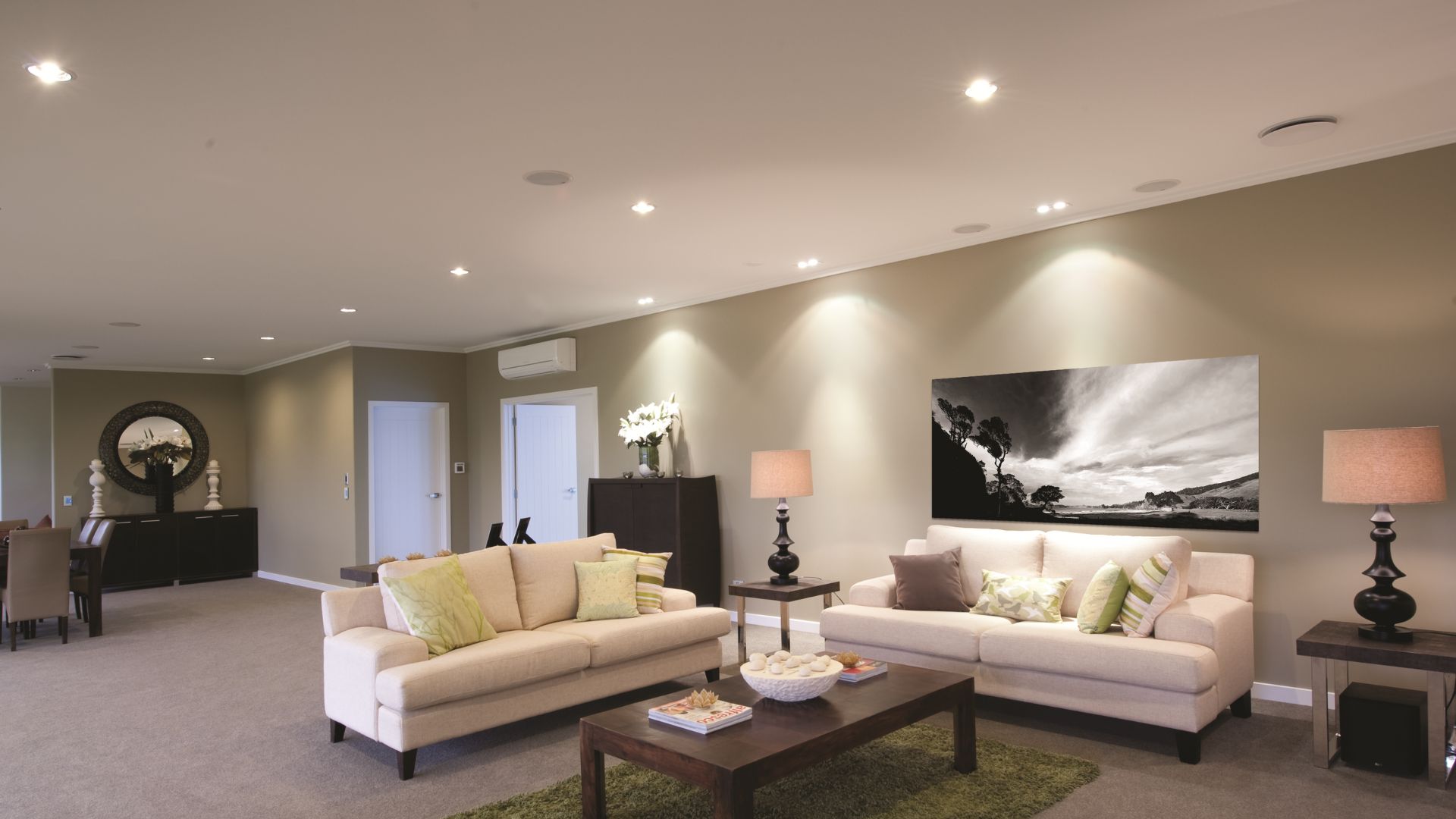
The performance of 18W mini downlights stems from three innovative technical pillars: condensed LED systems, micro-optical design, and adaptive mounting mechanisms – all engineered to maximise functionality within minimal dimensions.
At the core of 18W mini downlights lies a condensed high-efficiency LED system that defies size limitations. Manufacturers use advanced COB (Chip-on-Board) LED technology or closely packed SMD 3030 chips (120–150 chips per fixture) with ultra-compact constant current drivers. According to the DOE's 2024 Miniature LED Lighting Report, 18W mini downlights achieve luminous efficacy of 78–100 lumens per watt, outperforming 60W incandescent mini downlights (15 lumens per watt) by 85% and 15W compact LED mini fixtures (65 lumens per watt) by 35%. Luminous flux ranges from 1400 lumens (entry-level models) to 1800 lumens (premium variants), sufficient to illuminate 8–12 square metres – impressive for fixtures with depths as shallow as 3–6 cm. The 18W power rating is a deliberate calibration: it delivers the 150–200 lux brightness required for task and ambient lighting (per IES standards) without exceeding the thermal limits of miniaturised components.
Micro-optical design ensures focused, glare-free light despite the compact form factor. Most 18W mini downlights feature precision-machined aluminium reflectors (depth ≤ 2 cm) and frosted borosilicate glass lenses to direct light efficiently. Beam angles are tailored to small-space needs: 25°–45° narrow flood beams for accenting cabinetry or artwork, and 60°–80° wide flood beams for ambient lighting in tight rooms. A 2023 ELA study found that 18W mini downlights with 45° beam angles distribute light 50% more evenly across 8-square-metre spaces than 15W mini fixtures with the same beam angle, thanks to optimised reflector geometry. Glare control is achieved through recessed light sources and anti-glare coatings, resulting in a Unified Glare Rating (UGR) of <20, meeting IES standards for residential and commercial spaces. Colour performance is versatile: 3000K warm white (for living spaces), 4000K neutral white (for work areas), and 5000K cool white (for task zones) all maintain a Colour Rendering Index (CRI) of 80–90, ensuring accurate colour reproduction per IEC 62717 testing.
Installation engineering for 18W mini downlights prioritises adaptability to constrained spaces. Their ultra-slim profiles (3–6 cm depth) fit ceiling cavities as shallow as 4 cm – critical for historic buildings, attic conversions, and cabinet undersides where standard downlights (7–15 cm depth) cannot be installed. Mounting options include spring-clip recessed (for ceilings), surface-mounted (for solid surfaces), and under-cabinet (with magnetic or screw-on brackets). A 2023 electrical contractor survey found that electricians install 18W mini downlights 40% faster than standard 18W downlights, thanks to their lightweight design (150–300 grams) and tool-free mounting systems. Safety certifications are robust: nearly all models are IC-rated (Insulation Contact) for insulated ceilings (per U.S. NEC 410.116) and ETL/UL-listed, while IP44-rated variants resist moisture for bathroom or kitchen use. Voltage compatibility (100V–240V) enhances global usability.
Core Advantages: Space-Efficiency, Balanced Power, and Design Versatility
18W mini downlights offer distinct benefits that solve the paradox of "small space, sufficient light", outperforming both larger downlights and lower-wattage mini fixtures.
Ultra-compact size enables installation in otherwise unlit spaces. With diameters of 6–10 cm and depths of 3–6 cm, these fixtures fit into narrow hallway ceilings (≤1.5 metres wide), under kitchen cabinets (depth ≤10 cm), and even ceiling cornices – areas where standard 18W downlights (12–15 cm diameter) are too bulky. In historic townhouses with 5 cm ceiling cavities, for example, 18W mini downlights (4 cm depth) provide ambient light without altering architectural integrity, whereas standard fixtures require invasive ceiling modifications. A 2023 NAHB survey found that 76% of interior designers prioritise 18W mini downlights for historic renovations, citing their ability to preserve the original structures.
Balanced power delivers brightness without excess. At 18W, these fixtures produce 1400–1800 lumens, which is enough to light 8–12 square metres without over-illuminating small spaces. This contrasts with 25W mini downlights (2000+ lumens), which create glare in hallways, and 10W mini fixtures (800–1000 lumens), which leave dark spots. The DOE estimates that 18W mini downlights use 60% less energy than 45W halogen mini downlights while delivering 30% more brightness. For commercial spaces like retail display cases or office cubicles, this balance reduces energy waste while ensuring products or workspaces are well-lit.
Design versatility complements diverse interiors. Their small footprint creates a "discreet light" effect, ideal for minimalist design where fixtures should not compete with decor. Many models offer customisable trim finishes – matte black, brushed brass, or white – to match cabinetry, hardware, or wall colours. Under-cabinet variants feature slim profiles that hide beneath countertops, while surface-mounted models add subtle accent light to solid walls. Unlike track lighting, which requires visible hardware, 18W mini downlights maintain clean lines in small rooms. A 2023 Interior Design Magazine survey found that 81% of designers use 18W mini downlights for "invisible lighting" schemes in compact spaces.
Low heat output enhances safety and longevity. Miniaturised LED components and efficient heat sinks keep surface temperatures below 55°C – far cooler than 45W halogen mini downlights (120°C) and even standard 18W LEDs (70°C). This makes them safe for installation near combustible materials, such as wood cabinets or insulation, reducing fire risks. A 2022 LRC study found that spaces lit with 18W mini downlights require 8% less air conditioning in summer, as they emit less heat. For under-cabinet use, low heat prevents damage to countertop materials like marble or wood.
Targeted Applications: Where 18W Mini Downlights Shine

The combination of small size and balanced power makes 18W mini downlights essential for six space-constrained scenarios, supported by industry research and case studies.
Narrow Residential Spaces
Hallways (1–1.5 metres wide) use 18W mini downlights with 60° beam angles spaced 1.2–1.5 metres apart, delivering 150 lux of ambient light without crowding ceilings. Under-cabinet kitchen lighting relies on 18W mini fixtures with 45° beam angles (3000K warm white), illuminating countertops without protruding from cabinet edges. Stairwells use surface-mounted 18W mini downlights with 25° beam angles, highlighting steps for safety. A 2023 American Lighting Association survey found that 79% of homeowners prefer 18W mini downlights for hallways, citing their unobtrusive design.
Historic and Renovation Projects
Historic homes and listed buildings use 18W mini downlights to avoid structural damage. In Victorian terraces with shallow ceilings, recessed 18W mini models (4 cm depth) provide modern lighting without altering lath-and-plaster ceilings. Renovated attic spaces (ceiling depth ≤6 cm) use surface-mounted 18W mini downlights, eliminating the need for ceiling cutting. A 2023 Preservation Trades Network report found that 18W mini downlights are the most specified fixture for historic renovations, with 92% of contractors praising their non-invasive installation.
Retail and Display Spaces
Retail display cases (depth ≤ 30 cm) use 18 W mini downlights with 25° beam angles and 4000 K light (CRI 90+), highlighting jewellery, cosmetics, and small electronics. Boutique clothing stores install 18W mini downlights in ceiling cornices (6 cm diameter) to create ambient "wash" light over racks. Pop-up shops use portable surface-mounted 18W mini models, as they require no permanent installation. A 2023 Retail Design Institute study found that displays lit with 18W mini downlights saw 18% higher customer engagement than those with 10W mini fixtures due to better brightness and colour rendering.
Commercial Workspaces
Office cubicles (6–8 square metres) use one 18W mini downlight with a 60° beam angle (4000K), providing 150 lux of ambient light that complements task lamps. Reception desks with narrow overhead ceilings use 18W mini downlights with 45° beam angles, creating a welcoming focal point. Server rooms with low ceilings use IP44-rated 18W mini models, delivering cool white light without taking up valuable equipment space. A 2022 Harvard Business Review study linked 18W mini downlights in cubicles to 12% higher employee productivity, as they reduce glare and save desk space.
Hospitality and Compact Lodging
Micro-hotels (guest rooms ≤15 square metres) use 2–3 18W mini downlights with dimming (3000K), providing ambient light without cluttering the ceilings. Restaurant booths use surface-mounted 18W mini downlights above tables (2–4 seats), creating intimate dining atmospheres. Hotel lobbies with decorative ceilings use recessed 18W mini models (8 cm diameter), adding ambient light without competing with chandeliers. A 2023 AH&LA survey found that 84% of micro-hotel operators prioritise 18W mini downlights, citing their space-saving design and dimming versatility.
Utility and Specialized Spaces
Laundry rooms (6–8 square metres) use IP44-rated 18W mini downlights with 80° beam angles, delivering 150 lux of uniform light. Closets (width ≤ 1.5 metres) use 18W mini downlights with 45° beam angles, eliminating dark corners in storage areas. Home theatres use dimmable 18W mini downlights with 25° beam angles (2700K), providing accent light without washing out screens. A 2023 DOE energy audit found that replacing 40W incandescent bulbs with 18W mini downlights in a 10-square-metre laundry room reduced annual energy use by 70%.
Comparative Performance: vs. Alternatives in Space-Constrained Scenarios
Industry benchmarks highlight clear advantages of 18W mini downlights over larger fixtures and lower-wattage mini alternatives, especially in tight spaces.
Against standard 18W downlights, mini models offer unrivalled space compatibility. Standard 18W downlights require 7–15 cm ceiling depth and 12–15 cm diameter cutouts, making them incompatible with shallow ceilings or narrow hallways. 18W mini downlights (3–6 cm depth, 6–10 cm diameter) fit these spaces while delivering equivalent brightness (1400–1800 lumens). A 2023 ELA comparison found that 18W mini models reduce installation labour costs by 35% in historic buildings, as they require no ceiling modification. The only tradeoff is slightly narrower beam angles, but this is irrelevant in small spaces.
Compared to 10W–15W mini downlights, 18W models deliver superior brightness. 15W mini fixtures produce 1000–1200 lumens, leaving 8-square-metre spaces underlit (≤125 lux), while 18W models reach 150–200 lux. A 2022 LRC study found that 15W mini downlights require 2–3 additional fixtures to match the coverage of one 18W mini model, increasing material costs by 50%. 18W models also maintain better dimming performance, staying flicker-free down to 10% brightness (vs. 20% for 10W models).
Versus 25W–30W mini downlights, 18W models optimise energy use. 25W mini downlights consume 39% more energy than 18W models but provide only 22% more lumens, wasting electricity in small spaces. In 10-square-metre hallways, 25W models create excessive brightness (220+ lux), causing glare and discomfort. A 2023 DOE audit found that replacing 25W mini downlights with 18W models in a boutique store reduced lighting energy use by 28% with no loss in display visibility.
Against 45W halogen mini downlights, 18W LEDs are transformative. Halogen models use 60% more energy, last only 2000–3000 hours (vs. 50,000+ for 18W LEDs), and produce excessive heat (120°C surface temperature). The DOE estimates that replacing one 45W halogen mini downlight with an 18W LED saves $35 annually in energy and replacement costs. Halogens also lack dimming capability, limiting their versatility in hospitality spaces.
Implementation Best Practices: Selection, Installation, and Maintenance
Guidelines from the IES, DOE, and electrical associations ensure optimal performance of 18W mini downlights in space-constrained environments.
Product Selection
First, match beam angle to use: 25°–45° for accents (display cases and artwork) and 60°–80° for ambient light (hallways and cubicles). For under-cabinet use, choose 45° beam angles to avoid countertop glare. Second, select colour temperature by space: 2700K–3000K (living spaces, hospitality), 4000K (offices, retail), and 5000K (utility areas). Third, verify key ratings: IC-rating for insulated ceilings, ETL/UL-listing for safety, UGR <20 for glare control, CRI 80+ (90+ for retail), and IP44 for damp areas. For historic projects, choose low-profile trim (≤1 cm protrusion) to preserve aesthetics.
Installation Guidelines
Hire licensed electricians to comply with local codes (e.g., NEC 410.116 for insulated ceilings). For recessed installation: measure ceiling depth to ensure ≥4 cm clearance, cut 6–10 cm diameter holes, and secure with spring clips. For under-cabinet mounting: use magnetic brackets for metal cabinets or screw-on brackets for wood, positioning fixtures 30 cm apart for uniform coverage. For surface-mounted models: attach mounting plates to solid surfaces, avoiding loose drywall. Use compatible dimmers (TRIAC for residential, 0–10V for commercial) to prevent flicker. Test light distribution post-installation, adjusting spacing if dark spots appear.
Maintenance Tips
Clean lenses monthly with a lint-free cloth to avoid 10–15% light loss from dust buildup. Inspect trim and mounting hardware quarterly – tighten loose spring clips or brackets to prevent fixture wobble. For IP44-rated models, wipe down with a damp cloth quarterly to remove grease or moisture. Avoid using harsh chemicals on lenses, as they can damage anti-glare coatings. Replace drivers (not entire fixtures) if dimming fails – most drivers have 3–5 year warranties. With proper care, 18W mini downlights exceed their 50,000-hour lifespan, reducing long-term costs.
https://www.benweilight.com/lighting-tube-bulb/18w-mini-downlights.html
Together, we make it better.
Shenzhen Benwei Lighting Technology Co., Ltd.
Mobile/WhatsApp: (+86)18673599565
Email: bwzm15@benweilighting.com
Skype: benweilight88
Web: www.benweilight.com
Add: F Building, Yuanfen Industrial Zone, Longhua, Bao'an District, Shenzhen, China