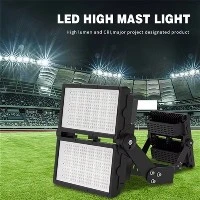
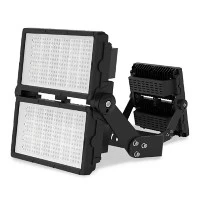
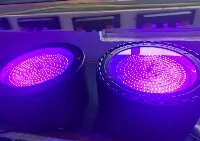
18W Grow Lights For Houseplants: Illuminate Your Green Space for Healthy Growth
Indoor gardening has become a beloved hobby for millions, offering a way to bring nature into homes, purify air, and add a touch of vitality to living spaces. However, one of the biggest challenges faced by indoor plant enthusiasts is providing adequate light-a critical factor for photosynthesis, growth, and flowering. Many homes lack sufficient natural sunlight, especially in rooms with small windows, north-facing exposures or during winter months. This is where 18W Grow Lights for Houseplants step in: compact, energy-efficient, and tailored to meet the unique light needs of indoor plants, they have become an essential tool for anyone looking to nurture thriving houseplants year-round. This article explores the science behind plant lighting, the key features of 18W grow lights, their benefits for different plant types, usage tips, and why they stand out as a top choice for indoor gardening.

The Science of Light for Indoor Plants: Why 18W Grow Lights Matter
Plants rely on light to convert carbon dioxide and water into energy through photosynthesis-a process that fuels growth, leaf development, flowering, and fruit production. Not all light is equal, though: plants primarily absorb light in the blue (400–500 nm) and red (600–700 nm) spectrums. Blue light stimulates vegetative growth (leaves and stems), while red light promotes flowering, fruiting, and root development. Natural sunlight contains a full spectrum of light, but indoor environments often lack the intensity or specific wavelengths needed for optimal plant health.
Traditional indoor lighting, such as incandescent or LED bulbs designed for human vision, emits too much green and yellow light (which plants use minimally) and insufficient blue and red light. This leads to common issues like leggy stems, pale leaves, stunted growth, and failure to bloom. 18W grow lights address this gap by emitting a targeted spectrum of blue and red light (often with a full-spectrum option that includes small amounts of other wavelengths for overall plant health) at an intensity that balances effectiveness and energy efficiency. The 18W power output is particularly well-suited for indoor plants: it provides enough light to support growth without generating excessive heat or consuming large amounts of electricity, making it ideal for small to medium-sized houseplants and compact growing spaces.
Key Features of 18W Grow Lights for Houseplants
18W Grow Lights are designed with indoor gardening needs in mind, combining functionality, durability, and user-friendliness. Below are their standout features:
Targeted Light Spectrum for Optimal Growth
The most important feature of 18W grow lights is their customised light spectrum. Most models offer either a "dual-spectrum" (blue + red) or "full-spectrum" design. Dual-spectrum lights typically have a ratio of 3:1 or 4:1 blue to red light-perfect for vegetative plants like pothos, spider plants, and ferns, as well as flowering plants during their growth phase. Full-spectrum lights mimic natural sunlight, including blue, red, green, and even small amounts of UV light, making them versatile for all plant growth stages (from seedling to flowering) and suitable for light-loving plants like succulents, orchids, and herbs.
Many 18W grow lights also allow users to adjust the spectrum ratio, giving gardeners control to tailor light to their plants' specific needs. For example, increasing blue light for a new seedling or boosting red light when a plant is ready to bloom.
Energy Efficiency and Low Heat Emission
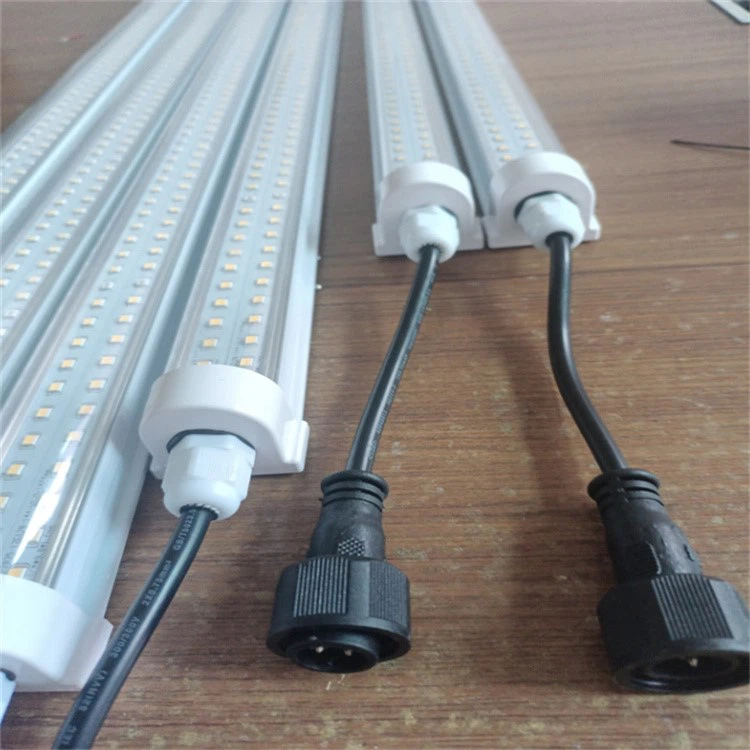
At just 18W, these grow lights are highly energy-efficient compared to traditional grow lights like high-pressure sodium (HPS) or metal halide (MH) bulbs, which can consume 250W or more. An 18W LED grow light uses up to 80% less energy than HPS lights, translating to lower electricity bills-even when used for 12–16 hours a day (the typical light cycle for indoor plants).
Unlike incandescent or HPS lights, which generate significant heat, 18W LED grow lights emit minimal heat. This is crucial for indoor plants, as excessive heat can dry out soil, damage leaves, and stress plants. The low heat output also means the lights can be placed close to plants (usually 6–12 inches away, depending on the plant type) without risk of burning, ensuring light reaches all parts of the plant evenly.
Compact, Versatile Design
18W Grow Lights are designed to fit seamlessly into indoor spaces. They come in various forms, including:
Clip-on lights: Compact and portable, these attach to shelves, plant stands, or pots, making them ideal for small plants or single pots.
Panel lights: Thin, flat panels that can be mounted on walls, ceilings, or placed on stands, suitable for covering multiple plants (e.g., a shelf of herbs or a windowsill garden).
Strip lights: Flexible strips that can be wrapped around plant cages or placed under shelves, perfect for trailing plants like pothos or philodendrons.
Most models are lightweight and easy to install, requiring no complex wiring-many plug directly into standard electrical outlets, and some even offer USB charging for added convenience (ideal for small clip-on models).
Durability and Long Lifespan
Indoor grow lights need to withstand continuous use, and 18W models are built to last. They feature durable materials like aluminum casings (for heat dissipation) and shatterproof polycarbonate lenses, protecting the internal LED chips from damage. LED technology also ensures a long lifespan: most 18W grow lights have an average lifespan of 30,000–50,000 hours, meaning they can last 3–5 years with daily use-far longer than incandescent (1,000 hours) or fluorescent (10,000 hours) grow lights. This reduces the need for frequent replacements, saving both time and money.
Additional Features for Convenience
Many 18W Grow Lights include user-friendly features to simplify indoor gardening:
Timer functions: Built-in timers allow users to set automatic light cycles (e.g., 12 hours on, 12 hours off for vegetative growth; 16 hours on, 8 hours off for flowering plants), eliminating the need to manually turn lights on and off.
Dimmable brightness: Adjustable brightness levels let gardeners reduce light intensity for sensitive plants (like ferns) or increase it for light-hungry plants (like succulents).
Waterproof or water-resistant design: Some models have an IP44 or higher rating, making them safe to use near plants that require frequent watering (e.g., ferns, calatheas) without risk of water damage.

Benefits of 18W Grow Lights for Different Houseplant Types
Not all houseplants have the same light needs-some thrive in low light, while others require bright, direct light. 18W Grow Lights are versatile enough to support a wide range of indoor plant species, providing tailored benefits for each:
Low-Light Plants (e.g., Pothos, Snake Plants, ZZ Plants)
Low-light plants can survive in dim indoor spaces but often struggle to grow or maintain vibrant foliage without additional light. 18W grow lights, set to low brightness or a balanced blue-red spectrum, provide just enough light to stimulate gentle growth without overwhelming the plants. This prevents issues like leggy stems (as plants stretch toward light) and keeps leaves lush and green. For example, a snake plant placed in a dark corner will develop stronger, thicker leaves when supplemented with 8–10 hours of 18W grow light daily.
Medium-Light Plants (e.g., Spider Plants, Philodendrons, Peace Lilies)
Medium-light plants need more light than low-light varieties but cannot tolerate direct sunlight (which can scorch their leaves). 18W grow lights, set to medium brightness or a full spectrum, mimic the filtered sunlight these plants would receive in their natural habitats (e.g., under tree canopies). This supports healthy leaf growth, encourages branching, and helps peace lilies produce their iconic white spathes. For a philodendron, 10–12 hours of 18W grow light daily will prevent leaf yellowing and promote new growth.
High-Light Plants (e.g., Succulents, Cacti, Herbs, Orchids)
High-light plants require intense light to thrive-many struggle indoors because even bright windows may not provide enough light, especially in winter. 18W grow lights, set to high brightness or a spectrum rich in red light, deliver the intensity needed for these plants. For succulents and cacti, the light prevents etiolation (stretching) and helps maintain their compact, fleshy appearance. For herbs like basil and mint, 12–16 hours of 18W grow light daily ensures robust growth, allowing for frequent harvesting. Orchids, which need specific light for blooming, benefit from a full-spectrum 18W light-this encourages flower spikes and prolongs blooming periods.
Seedlings and Young Plants
Starting seeds indoors or propagating cuttings requires consistent, gentle light to prevent leggy growth and build strong root systems. 18W grow lights are ideal for this: their low heat output allows them to be placed close to seedlings (6–8 inches away), and their blue-rich spectrum stimulates strong stem and leaf development. Unlike harsh sunlight, which can dry out or burn delicate seedlings, 18W grow lights provide a stable light source that supports healthy growth until the plants are ready to be transplanted outdoors or to larger pots.
How to Use 18W Grow Lights Effectively: Tips for Success
To get the most out of 18W Grow Lights for Houseplants, follow these practical tips to ensure optimal plant health:
Set the Right Light Cycle
Different plant growth stages require different light durations:
Vegetative growth (leaves/stems): 12–14 hours of light per day. This is suitable for most houseplants that are not in bloom.
Flowering/fruiting: 14–16 hours of light per day. Use this for plants like orchids, African violets, and tomato seedlings (grown indoors).
Low-light plants: 8–10 hours of light per day. Avoid overexposing low-light plants, as this can cause leaf burn or stress.
Use the built-in timer function (if available) to maintain a consistent cycle-plants thrive on routine, and irregular light can disrupt their growth.
Adjust the Distance Between Light and Plants
The distance between the 18W grow light and your plants depends on the plant type and light intensity:
Seedlings/sensitive plants: 6–8 inches away. This prevents heat stress while ensuring light reaches all parts of the young plants.
Medium-light plants: 8–10 inches away. This provides enough light without overwhelming the plants.
High-light plants: 10–12 inches away. The higher brightness of the light (when set to max) can be placed slightly farther to cover a wider area.
Check your plants regularly for signs of light stress: if leaves turn yellow or brown at the edges, move the light farther away; if stems become leggy, move the light closer.
Position the Light Correctly
Ensure the light covers all parts of the plant, not just the top leaves. For trailing plants like pothos, use a clip-on 18W grow light to illuminate the lower stems and leaves. For a shelf of plants, use a panel 18W grow light mounted above the shelf to provide even coverage. Avoid placing the light at an angle, as this can cause uneven growth (plants will lean toward the light source).
Combine with Natural Light When Possible
18W grow lights work best as a supplement to natural light, not a complete replacement (unless no natural light is available). Place your plants near a window (even a north-facing one) and use the grow light to extend the light period or boost intensity. This mimics the natural day-night cycle and helps plants maintain healthy growth rhythms.
Clean the Light Regularly
Dust and debris can accumulate on the surface of the grow light, reducing its brightness and effectiveness. Wipe the light's lens with a soft, dry cloth every 2–3 weeks to ensure maximum light output. This simple step can make a significant difference in plant growth over time.
Why 18W Grow Lights Are a Top Choice for Indoor Gardeners
In a market filled with grow lights of varying wattages (from 10W to 100W+), 18W models stand out for several reasons, making them a favourite among both beginner and experienced indoor gardeners:
Perfect Balance of Power and Size
18W is the sweet spot for most indoor plants: it provides enough light to support growth without being too large or powerful for small spaces. A 10W grow light may not be strong enough for high-light plants, while a 25W or higher model can be overkill for small plants and may generate more heat than needed. The compact size of 18W grow lights also makes them easy to integrate into any home decor-whether placed on a bookshelf, windowsill, or plant stand.
Cost-Effective
18W grow lights are affordable upfront (typically ranging from \(20–\)50) and have low operating costs. With an average electricity rate of $0.15 per kWh, running an 18W grow light for 12 hours a day costs just \)0.03 per day, or about $10.95 per year. This is far cheaper than running higher-wattage grow lights or replacing traditional bulbs frequently. Their long lifespan (30,000–50,000 hours) also means you won't have to buy a new light for years, saving even more money.
Easy to Use for Beginners
Unlike complex grow light systems (which require setup of reflectors, ballasts, or ventilation), 18W grow lights are plug-and-play. Most models come with clear instructions, and features like built-in timers and dimmable brightness make them easy to adjust for different plants. This makes them an excellent choice for beginners who are just starting their indoor gardening journey and don't want to invest in expensive, complicated equipment.
Eco-Friendly
18W LED grow lights are environmentally friendly: they consume less energy (reducing carbon emissions) and contain no toxic materials like mercury (unlike fluorescent grow lights). Their long lifespan also reduces waste, as fewer lights end up in landfills. For gardeners who want to reduce their environmental impact, 18W grow lights are a sustainable choice.
Conclusion
18W grow lights for houseplants have revolutionised indoor gardening, making it possible to grow healthy, vibrant plants even in spaces with limited natural light. By providing a targeted spectrum of blue and red light, they address the specific needs of indoor plants, supporting growth, flowering, and overall health. Their energy efficiency, low heat output, compact design, and affordability make them a top choice for all types of indoor gardeners-from beginners nurturing their first pothos to experienced growers tending to a collection of orchids or herbs.
Whether you're looking to revive a leggy snake plant, encourage your peace lily to bloom, or start a windowsill herb garden, 18W grow lights offer a simple, effective solution. With the right light cycle, distance, and positioning, you can transform your home into a thriving green space, enjoying the beauty and benefits of houseplants year-round. As indoor gardening continues to grow in popularity, 18W grow lights will remain an essential tool for anyone who wants to bring the joy of growing plants into their home-no matter how much natural light they have.
FAQ
Any question or wanna send an inquiry!
Q1. How soon is the lead time?
A: For sample order, 7-17 days if no stock. For bulk order, 15-30 days.
Q2. Can your products' label, packaging, design be customized?
A: Yes, we offer customization service on these.
Q3. How can we guarantee quality?
A: Always a pre-production sample before mass production; Always final Inspection before shipment.
Q4. How do you ship the goods and how long does it take to arrive?
A: We usually ship by DHL, UPS, FedEx or TNT. It usually takes 3-5 days to arrive. Airline and sea shipping also optional.
Q5. What is your payment way?
A: Paypal / Visa / Western Union / online transfer / apply pay / T/T all works for us for payment.
https://www.benweilight.com/lighting-tube-bulb/18w-grow-lights-for-houseplants.html
Shenzhen Benwei Lighting Technology Co.,Ltd
Telephone: +86 0755 27186329
Mobile(+86)18673599565
Whatsapp :19113306783
Email:bwzm15@benweilighting.com
Skype: benweilight88
Web: www.benweilight.com