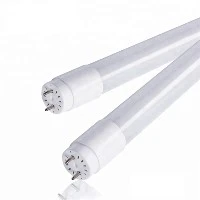
A Practical Guide to Choosing LED Batten Lights for Your Garage
 Transforming your garage from a dim storage area into a functional, well-lit space begins with proper lighting. While often overlooked, effective illumination is crucial for safety, functionality, and comfort. LED batten lights have emerged as the superior solution, replacing outdated fluorescent tubes and inadequate single bulbs that create shadows, flicker, and drive up energy costs.
Why LED Battens Excel in Garage Environments
Traditional garage lighting suffers from multiple limitations: uneven coverage, slow start-up times, buzzing operation, and high energy consumption. LED batten lights address all these issues while providing bright, consistent illumination across large areas. Their slim profile, instant operation, and exceptional efficiency make them ideally suited for garage applications ranging from vehicle parking to detailed workshop projects.
Key Selection Criteria for Optimal Performance
1. Brightness Requirements: Understanding Lumens
Forget watts as a brightness indicator-lumens measure actual light output. Garage spaces typically require higher illumination levels than residential rooms. Consider these guidelines:
Single-car garages: 13,000-14,000 total lumens
Double-car garages: 20,000+ total lumens
Distribute this total across multiple fixtures rather than relying on a single powerful unit. For optimal coverage:
Single garage: 2-4 fixtures
Double garage: 4-6 fixtures
This multi-fixture approach eliminates shadows and ensures even illumination throughout the space.
2. Color Quality: Temperature and Rendering
The color characteristics of your lighting significantly impact visibility and comfort:
Color Temperature (Kelvin):
2700K-3500K: Warm white, creates cozy atmosphere but less ideal for tasks
4000K-5000K: Natural white, optimal for garage applications
5000K-6500K: Cool white/daylight, maximum brightness for detailed work
Color Rendering Index (CRI):
CRI 80+: Standard for general garage use
CRI 90+: Essential for color-sensitive tasks (vehicle detailing, painting)
For most garages, 4000K-5000K with CRI 80+ provides the ideal balance of clarity and comfort.
3. Durability and Environmental Protection
Garages present challenging conditions including dust, moisture, and temperature fluctuations. Ingress Protection (IP) ratings indicate environmental resistance:
IP20: Basic protection for clean, dry interiors
IP44: Splash and dust resistance for enclosed garages
IP65: Fully dust-tight and water-resistant for damp or semi-exposed areas
IP67/IP68: Maximum protection for outdoor applications
For most garage environments, IP44 or IP65-rated fixtures provide adequate protection against typical conditions.
4. Physical Configuration and Mounting
LED battens come in various sizes to accommodate different space configurations:
600mm: Compact option for small or narrow garages
1200mm: Versatile choice for single-car garages
1500mm: Extended coverage for larger spaces
Slimline designs minimize visual intrusion in garages with lower ceilings. Most models support ceiling, wall, or under-shelf mounting, offering flexibility for specific lighting needs.
Advanced Features for Enhanced Functionality
Motion Sensors
Integrated motion detection provides hands-free operation, automatically illuminating the space when you enter and shutting off after a period of inactivity. This feature is particularly valuable when carrying items or returning after dark.
Dimming Capabilities
Dimmable battens allow adjustable brightness levels suited to different activities-full intensity for detailed work, reduced levels for general tasks or ambient lighting.
Smart Control Integration
Wi-Fi or Bluetooth connectivity enables control via smartphone apps or voice assistants. This allows for scheduling, automation, and integration with home security systems.
Installation Best Practices
Optimal Placement
Position fixtures parallel to vehicle bays or aligned with work areas. Avoid single central placement that leaves walls and corners under-lit. For standard ceiling heights (up to 3 meters), space fixtures 1-1.5 meters apart for even distribution.
Glare Reduction
Angle fixtures to minimize reflections on glossy surfaces like vehicle paint or metal tools. Offset placement from direct sightlines further reduces visual discomfort.
Electrical Safety
Always disconnect power before installation. Use appropriate IP-rated fittings for your environment. Consider separate circuits for different zones (workbench, parking area). When in doubt, consult a qualified electrician, particularly for complex installations or smart system integration.
Common Selection and Installation Errors
Insufficient Brightness: Garages require more lumens than typical rooms. When uncertain, err toward slightly brighter rather than dimmer solutions.
Shadow Creation: Poor fixture placement creates dark zones behind vehicles or storage units. Plan layout according to primary activity areas.
Inadequate Environmental Protection: Using IP20 fixtures in garages with humidity or dust exposure compromises longevity and safety.
Overlooking Smart Features: While basic fixtures cost less initially, motion sensors and smart controls deliver long-term energy savings and convenience benefits.
Poor Color Selection: Overly warm color temperatures (below 4000K) impair visual clarity for detailed tasks.

Conclusion
Properly selected and installed LED batten lighting can transform your garage into a safe, functional, and inviting space. By focusing on appropriate brightness levels, optimal color quality, sufficient environmental protection, and thoughtful placement, you can create an illumination scheme that serves both practical and aesthetic purposes. The combination of energy efficiency, long lifespan, and advanced control options makes LED batten lights the definitive choice for modern garage lighting solutions that deliver both immediate and long-term benefits.