Advantages and disadvantages of LED lamps and energy-saving lamps
1. The advantages and disadvantages of LED lamps and energy-saving lamps
1. Defects of energy-saving lamps
Because each energy-saving lamp tube contains an average of 0.5 mg of mercury. At present, there is no scientific way to recycle energy-saving lamps, because the raw materials are polluted and cannot be recycled, in order to prevent pollution. The deep burial method generally adopted today is seriously polluting the water source. In addition, the stroboscopic effect of energy-saving lamps is essentially light pollution, which is extremely harmful. According to statistics, the current increase in the rate of myopia among students is related to the serious flickering of fluorescent lights in the classroom.
2. Advantages of LED lamps
Compared with energy-saving lamps, LED lighting lamps have demonstrated many unique advantages, which are more in line with the concepts of "low carbon" and "energy saving", and as the technological progress and application of LED accelerate, it will greatly promote the global "low carbon" and "Energy saving" process. In the whole set of LED lamps, no matter it is the lamp housing, radiator, power supply or light source part, no materials that pollute the environment are added or added, so it is relatively easy to recycle. For LED lamps, especially indoor lighting has the well-known benefits of green lighting is to consider lighting energy saving and environmental protection.
Commonly used types of led lamps are
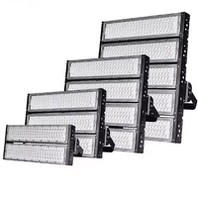
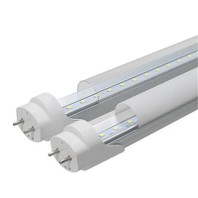
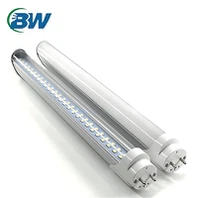
LED tube, T8 LED tube, T5 LED tube, LED downlight, LED panel light, LED ceiling light, LED flood light, LED flood light, LED street light, LED high bay light
2. Requirements for lighting energy saving
For the use of lighting sources, lamps and control systems, priority should be given to certified high-efficiency and energy-saving products. Encourage the use of solar road lighting, garden lighting and other green energy lighting. Actively promote high-pressure sodium lamps, metal halide lamps, semiconductor light-emitting diodes (LED), T8, T5 fluorescent lamps, compact fluorescent lamps (CFL), high-power compact fluorescent lamps and other high-efficiency lighting products.
At present, energy-saving lamps generally exist in energy-saving lamps "saving electricity without saving money", and they will be broken within a few months after they are bought. This is because manufacturers often make shoddy products in order to obtain high profits and use halogen powder as phosphors, so the luminous efficiency is not high. , Poor thermal stability, large light decay, rough product appearance, simple circuit, uneven light emission, and the service life of the halogen powder lamp is about 2000h. What's more, plastic parts are not flame-retardant and are dangerous when used. The above phenomenon not only does not save energy, but will cause misunderstanding of new lamps. Therefore, in order to save energy in lighting, the following points should be considered.
1. Energy saving in accordance with standards
Architectural lighting design standard GB 50034-2004 stipulates the LPE value of 108 commonly used rooms or places in seven types of buildings. CJJ 45-2006 also stipulates 12 LPD values of 4 types of urban roads, which are issued as mandatory provisions and must be strictly implemented. . LPD refers to lighting power density, which is the lighting installation power per unit area of a building room or place, in W/m2 (watts/square meter). The LPD value is the main indicator for evaluating building energy efficiency. The stipulation of the LPD limit is related to energy saving and environmental protection in the lighting field. It will prompt the lighting design to fully consider and take into account the illuminance level, lighting quality and lighting energy efficiency, and promote the promotion and application of more energy in the design. Efficient light sources, ballasts, lamps and other products. In practical applications, the regulation of LPD limits has become an important basis for the effective supervision and management of lighting design, installation, operation and maintenance by relevant competent authorities, energy-saving supervision and other departments.
2. Reasonable choice of lines and products
Choose the lighting circuit reasonably. The main factors of lighting circuit loss are the power supply mode and the cross-sectional area of the wire. Because most lighting voltages are 220V, the power supply mode of the lighting system is best TN-S; the selection of lamps must be considered comprehensively, both It must be beautiful, practical, and economical and energy-saving. The large number of applications of LED lamps in the lighting market has become a good option. LED is a high-efficiency, high-brightness, high-energy-saving lamp.
3. Adopt smart lighting system
For LED lamps, due to its low working voltage and easy dimming, it is the best choice for implementing smart lighting systems; and smart lighting systems need to detect and automatically adjust the dimming of the lamps.