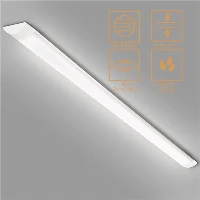
Aquarium Light Bar LED Fish Tank Slim Clip Lamp: Illuminating Aquatic Worlds with Precision and Versatility
For aquarium enthusiasts, lighting is more than just a way to see fish swim-it's the lifeblood of a thriving underwater ecosystem. A well-lit tank transforms murky water into a crystal-clear window into a vibrant world, where fish colors pop, plants photosynthesize, and every detail of the aquatic landscape shines. Yet for years, aquarium lighting options were limited: bulky fixtures that cluttered tank rims, inefficient bulbs that burned out quickly, or one-size-fits-all designs that failed to meet the unique needs of plants, fish, and invertebrates. Enter the Aquarium Light Bar LED Fish Tank Slim Clip Lamp-a compact, powerful solution that redefines aquatic lighting with its slim design, clip-on convenience, and tailored spectrum for both plant growth and visual appeal. This innovative light bar doesn't just illuminate tanks; it nurtures life, enhances beauty, and adapts to tanks of all sizes, making it a game-changer for hobbyists and beginners alike.
To understand the impact of the Aquarium Light Bar LED, we must first address the challenges of traditional aquarium lighting. Older incandescent or fluorescent fixtures were often large, heavy, and difficult to install, requiring permanent mounting or bulky brackets that detracted from the tank's aesthetic. Fluorescent bulbs, while once popular, had short lifespans (6–12 months) and emitted uneven light, creating dark spots where algae thrived or plants struggled. Many lights also lacked the right spectrum: some were too blue, washing out fish colors, while others were too warm, failing to support photosynthesis in aquatic plants. For planted tanks, this meant stunted growth, yellowing leaves, or the need for expensive CO2 systems to compensate for poor light. For fish-only tanks, it meant dull colors and a lack of the natural shimmer that makes aquariums so captivating. The slim clip-on LED light bar solves these issues by combining compact design with targeted light output, proving that effective aquarium lighting can be both functional and unobtrusive.
At the core of the Aquarium Light Bar LED's success is its advanced LED technology, engineered specifically for aquatic environments. Unlike traditional bulbs, LEDs emit very little heat, a critical feature for aquariums: excess heat can raise water temperatures, stressing fish and disrupting the tank's delicate balance. The slim design of this light bar minimizes heat output further, ensuring that even during extended use, water temperatures remain stable. LEDs also offer unparalleled energy efficiency, using up to 80% less electricity than incandescent bulbs. This not only reduces utility bills but also allows for longer daily light cycles-essential for planted tanks, where plants need 8–10 hours of light to thrive-without the guilt of wasted energy. With a lifespan of 25,000–50,000 hours, these LEDs outlast traditional bulbs by years, eliminating the hassle of frequent replacements and reducing long-term costs.
What truly sets the Aquarium Light Bar LED apart is its tailored spectrum, designed to support both plant growth and visual enjoyment. Aquatic plants, like their terrestrial counterparts, rely on specific wavelengths of light for photosynthesis. Chlorophyll, the pigment that drives this process, absorbs strongly in the blue (400–500 nm) and red (600–700 nm) parts of the spectrum. The light bar's LED chips are calibrated to emphasize these wavelengths, delivering a "plant-growth optimized" spectrum that fuels photosynthesis, encouraging lush, healthy growth in species like Java fern, Anubias, and Amazon sword plants. This targeted light reduces the need for expensive fertilizers or CO2 supplements, as plants can efficiently convert light into energy on their own. For low-light plants, the bar's dimmable settings (found in many models) allow users to dial back intensity, preventing algae blooms that thrive in excessive light.
Beyond plant health, the Aquarium Light Bar LED enhances the visual appeal of the tank with a balanced spectrum that makes fish and decorations look their best. Many models include a touch of white light (5000K–6500K) to mimic natural daylight, bringing out the true colors of fish-from the iridescent scales of bettas to the bold stripes of tetras-and highlighting details in driftwood, rocks, and substrate. Unlike harsh fluorescent lights that cast a flat, cool glow, this LED light bar creates depth, with subtle gradients that make the tank look more like a natural habitat than a glass box. Some advanced models even offer adjustable color modes, letting users switch between a "plant growth" spectrum (heavy on blue and red) and a "display" spectrum (rich in white light) for evening viewing, ensuring the tank looks stunning day and night.

The slim, clip-on design of the Aquarium Light Bar LED is a masterstroke of practicality, solving one of the biggest headaches of aquarium lighting: installation. Traditional fixtures often require drilling, permanent mounting, or bulky frames that fit only specific tank sizes, limiting flexibility for hobbyists who upgrade tanks or rearrange setups. The clip-on design eliminates this hassle: simply attach the slim bar to the rim of the tank using its sturdy, adjustable clip, which fits most glass or acrylic tanks up to 12mm thick. The slim profile-often just 1–2 inches in height-sits neatly above the tank, avoiding the cluttered look of older fixtures and leaving room for lids, filters, or other equipment. This design is ideal for small to medium tanks (5–50 gallons), from desktop betta tanks to community tanks, but larger models with extendable bars can accommodate bigger setups, proving that good things come in slim packages.
Durability and safety are paramount in aquatic environments, and the Aquarium Light Bar LED excels on both fronts. Unlike household lights, aquarium lights must withstand high humidity, occasional splashes, and the risk of water contact. These light bars are built with water-resistant casings (often rated IP65 or higher), ensuring that moisture from evaporation or splashing doesn't damage internal components. The LEDs themselves are encased in shatterproof materials, adding a layer of safety for homes with curious pets or children. Heat management is another key feature: the slim design includes built-in heat sinks that dissipate warmth away from the light bar, preventing overheating that could harm fish or warp tank lids. This durability means the light bar can run for 8–12 hours daily-essential for plant health-without performance issues, making it a reliable addition to any aquarium setup.
Versatility is another defining trait of the Aquarium Light Bar LED, as it caters to the diverse needs of different aquarium types. For planted tanks, the emphasis on blue and red wavelengths promotes robust growth, from carpeting plants like dwarf hairgrass to tall background plants like vallisneria. Many models include adjustable brightness, allowing users to increase intensity for high-light plants (like red ludwigia) or decrease it for low-light species (like java moss). For fish-only tanks, the balanced spectrum enhances coloration: cichlids appear more vibrant, guppies' fins shimmer, and even plain-looking catfish reveal subtle patterns under the light. Reef tanks, too, benefit from specialized versions of these light bars, which include UV and violet wavelengths to support coral growth and fluorescence, making corals glow with otherworldly hues.
When shopping for an Aquarium Light Bar LED, several key features ensure you choose the right model for your tank. First, consider the spectrum: look for lights labeled "full-spectrum" or "plant growth" to ensure they include both blue (400–500nm) and red (600–700nm) wavelengths for plants, plus white light (5000K–6500K) for visual clarity. Avoid lights with excessive green or yellow wavelengths, as these are less useful for plants and can make water look murky. Second, check the brightness, measured in lumens or PAR (Photosynthetically Active Radiation). For low-light plants, 20–50 PAR at the substrate is sufficient; high-light plants need 50–100 PAR. Most light bars list recommended tank sizes, which correlate to their brightness output. Third, prioritize adjustable features: dimmable brightness lets you fine-tune light levels, while timer functions (found in smart models) ensure consistent light cycles-critical for plant health, as irregular lighting can stress both plants and fish.
Installation and maintenance of the Aquarium Light Bar LED are refreshingly simple, even for beginners. Start by cleaning the tank rim to ensure the clip attaches securely, then position the light bar centered over the tank to distribute light evenly. For longer tanks, use multiple light bars spaced evenly to avoid dark spots. Once clipped on, plug the light into a nearby outlet (many models include a 6–10 foot cord for flexibility) and adjust the brightness to your desired level. Maintenance is minimal: wipe the light bar's surface occasionally with a dry cloth to remove dust or water spots, and replace the LED module only after 25,000+ hours of use-far less frequent than replacing fluorescent or incandescent bulbs. Smart models may connect to apps via Bluetooth or Wi-Fi, allowing you to schedule light cycles, adjust brightness remotely, or even simulate sunrise and sunset to reduce stress on fish during light transitions.
Like any aquarium equipment, the Aquarium Light Bar LED has common misconceptions that need clarifying. One myth is that "brighter is better," but excessive light can cause algae blooms, especially in tanks without enough plants to absorb nutrients. Matching brightness to your tank's needs (plants, fish, size) is key. Another misconception is that LED lights are too expensive, but their long lifespan and energy efficiency make them cheaper over time than replacing fluorescent bulbs every 6 months. Finally, some hobbyists worry that clip-on lights are unstable, but modern designs use rubberized clips that grip tightly without scratching tank rims, ensuring the light stays in place even during water changes or tank moves.
The future of aquarium lighting is bright, and the Aquarium Light Bar LED is leading the way with ongoing innovations. Manufacturers are developing models with customizable spectrums, allowing users to adjust blue, red, and white wavelengths individually to match specific plant species or fish types. Integration with smart home systems is also advancing, with lights that sync with water parameters (like pH or temperature) to adjust intensity, or voice control via assistants like Google Home or Alexa ("Hey Google, turn on the aquarium light"). Research into plant-specific spectrums is unlocking new possibilities, with LEDs that mimic the light conditions of the Amazon, Southeast Asian rivers, or coral reefs, allowing hobbyists to recreate biotopes with unprecedented accuracy.
In the end, the Aquarium Light Bar LED Fish Tank Slim Clip Lamp is more than a lighting fixture-it's a tool that fosters connection between enthusiasts and their aquatic worlds. It turns a simple tank into a living, breathing ecosystem where plants grow lush, fish thrive, and every glance into the water brings joy. Whether you're a seasoned hobbyist seeking to optimize plant growth or a beginner looking to showcase your first betta, this light bar delivers the precision, convenience, and beauty that modern aquarium keeping demands. After all, a well-lit aquarium isn't just a display-it's a testament to the care and passion that goes into nurturing life, one photon at a time.