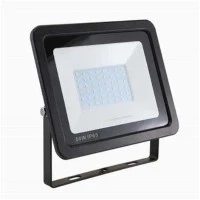
Are LED lights safe for human health?
3. RISKS TO HEALTH
3.1. Does exposure to LED screens in toys, phones, tablets, computers, and TV sets pose any risks to the general public?
The short answer is no, as studies reveal that screen radiance is less than 10% of the maximum amount that would be safe to still protect the retina from photochemically induced damage. When LED screens are used normally, there is no risk of optical radiation exposure causing eye injury to the general population. The lengthier answer, however, is that because there are so many factors to consider, assessing the risk is more complicated than it may appear. Blue light is present in the type of LED light used in screens, toys, and automobile lighting. The integrated radiance of the retinal image from the light source-the reflected glow of the light source seen in the eye itself-or the flux of radiant energy per unit area per unit solid angle must be taken into account when assessing the risk of blue light harming the retina. This varies depending on whether the light is viewed momentarily, with the eye staring at it directly for a short period of time, or over an extended period of time when the retinal image is dispersed over an ever-larger area of the retina because the eye will not stay stationary and stare at it. Due to the eye's natural tendency to wander and blink, which lowers the amount of radiant energy that reaches every area of the retina, prolonged light exposure does not actually increase risk.
While the infrared emission from LED lights will be significantly diminished or nonexistent, the blue light component of their optical emission is comparable to that of an incandescent bulb. This is currently being studied and may affect the human body's natural bioprocesses.
3.2. Does the use of LED lighting in cars and streetlights raise any particular issues?
Due in large part to its energy efficiency, LED lighting is now widely used in street lights and other street fixtures. However, subpar LED lighting can create glare or dispersion effects, or it can look harsh. LED street lights should give gentle lighting for safety and security rather than being so bright as to mimic daylight. Lighting brightness should be matched to its intended purpose. Additionally, motorways may need greater lighting than residential roads. The correlated color temperature (CCT) of an optical radiation source, such as LEDs, is frequently used to determine how blue it is. It seems harsher and brighter with a higher CCT, and it is more blue-rich. However, for certain LED sources, this statistic may yield inaccurate results.
High brightness LED lights should be diffused or protected from direct sunlight as part of good lighting practices to prevent glare. Certain LED street lights feature exposed LED components that drivers can see while they are looking ahead or in their regular field of vision. If the light source is too bright or the viewers have trouble seeing the area next to it, they may automatically turn their heads away.
Automobile LED lights can cause glare, especially headlights and daylight running lights. In foggy conditions, they may also cause extra glare. Light sources that emit significant amounts of blue light are more likely to cause glare, which is the result of light being scattered in the eye. For elderly eyes in particular, this can make it hard to see objects close to the light source. Disabling glare is the term used to describe glare that is so severe that it totally impairs eyesight.
3.3. Is there a higher danger for vulnerable populations, such as children and the elderly?
Young children may find the light from blue-emitting LEDs to be quite dazzling, even though the emissions may not be dangerous, because they are more sensitive to blue light. Particularly for toddlers under three years old, certain LED emission spectra have the potential to cause light-induced retinal damage. Nonetheless, a European regulation for electronic toys restricts the amount of optical radiation that toys can emit.
While using their phones, tablets, and laptops, adolescents and teens in general are exposed to LED light sources for extended periods of time. They may also be exposed to novel LED light sources, such as virtual reality headsets, which place the screen very near to the eyes. However, the light source in virtual reality headsets has a very low brightness, and it is unlikely that the exposure restrictions will be surpassed. Manufacturers provide guidelines for the maximum amount of time that these headsets can be used. There may be other impacts, such as disturbing regular sleep and waking habits, which may be more significant for this age group, even though the scientific research does not indicate any greater risk to the eyes.
People may have more problems with blue light sources as they get older. Certain pulsating LED lights produce phantom pictures when a person turns their head or moves their eye rapidly. When lights are utilized on destination displays on the front of buses, for instance, older eyes may find the lights blurry, which could be problematic. These effects can also be distracting. Additionally, younger people appear to experience flicker more frequently than their elders, whereas older people tend to experience glare more frequently.
3.4. Does nighttime LED light exposure interfere with a person's natural sleep cycles?
Every type of light has an impact on the circadian rhythm, sometimes referred to as the sleep/wake cycle, the body's internal 24-hour clock that alternates between alertness and drowsiness at regular intervals. The majority of individuals automatically switch off or dim the lights when they go to sleep since darkness signals the body and brain to relax.
LEDs have only recently become widely used. As a result, very little research has examined how LEDs affect circadian cycles in comparison to conventional light sources. It is crucial to remember that LEDs do not belong to a single homogenous class; rather, their unique characteristics determine how they affect the circadian system.
The circadian system, which influences the quality of sleep, may be impacted by regular usage of LEDs or screens lit by LEDs in the evening, according to some research. Nevertheless, it is still unclear how various light wavelengths affect the circadian system. Additionally, what is done on phones, tablets, and laptops also matters. For instance, viewing a thrilling movie or reading a suspenseful book could make it harder for someone to go to sleep.
3.5. Is the skin impacted by optical radiation from LED lights?
Certain LEDs, known as UV LEDs, emit a concentrated, narrow band of light in the ultraviolet or UV spectrum. Although the general public does not use UV-LEDs for their UV output, the cosmetic industry does, both for nail salons and for personal use. Due to their efficiency, UV LED gel lamps are becoming more and more popular over UV gel discharge lamps. The risk of non-melanoma skin cancer does not seem to be considerably increased by any type of nail light. The harm to skilled operators' eyes and the potential for accelerated skin aging, however, are not well documented. The Scientific Committee on Emerging and Newly Identified Health Risks (SCENIHR) prepared the 2012 Opinion 'Health Effects of Artificial Light', which reviews this subject.
Shenzhen Benwei Lighting Technology Co.,Ltd
Telephone: +86 0755 27186329
Mobile(+86)18673599565
Whatsapp :19113306783
Email:bwzm15@benweilighting.com
Skype: benweilight88
Web: www.benweilight.com