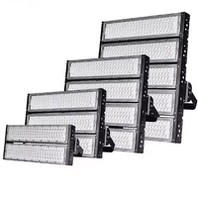
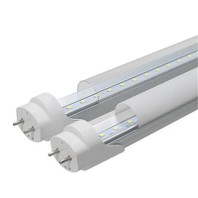
Are there any safety hazards in LED light sources?
At present, the light efficiency and lamp efficiency of white LEDs for general lighting have exceeded that of traditional light sources, and can achieve high color rendering and high stability, which can meet the needs of intelligent lighting for dimming. The key to the use of LEDs depends on whether the lamps can meet the requirements of lighting indicators and related lighting devices.
Regarding the photobiological safety of LED, you can refer to the white paper "General Lighting LED and Blue Light" jointly released by the International Semiconductor Lighting Alliance, the National Semiconductor Lighting Engineering R&D and Industry Alliance and the China Lighting Society in July 2013. The white paper clearly mentions that the correct use of qualified white LED products for general lighting is completely safe for human eyes.
At present, public opinion has many concerns about blue light, but we cannot blindly deny it.
On the one hand, blue light is an important component of white light, which not only plays an important role in ensuring color rendering, but also regulates the circadian rhythm. Outdoor sunlight can satisfy the function of synchronizing the regulation of human circadian rhythm (or biological clock), and the blue light exposure received indoors is far less than the dose received by outdoor activities. Blue light and cool white light sources can be used to establish a suitable light environment to help people obtain the required daily dose of blue light to ensure that their circadian rhythms are in harmony with their natural circadian rhythms.
On the other hand, the "blue light hazard" we usually hear refers to the fact that if the radiant brightness of the 400-500nm blue light band of the light source is too high, the eyes may cause photochemical damage to the retina after looking directly at the light source for a long time. The blue light problem is essentially the combined effect of radiance, blue light weighting function and time. From a spectral point of view, the proportion of blue light in the LED spectrum increases when the color temperature increases, but there is nothing special compared with the blue light in the fluorescent lamp spectrum. At the same time, the blue light safe brightness limit of LED is similar to that of fluorescent lamp.
There is a unified rating specification GB/T 20145-2006/IEC62471 for blue light retinal hazards at home and abroad. The LED lamps for daily general lighting belong to class 0 or class 1 and belong to the safety category.