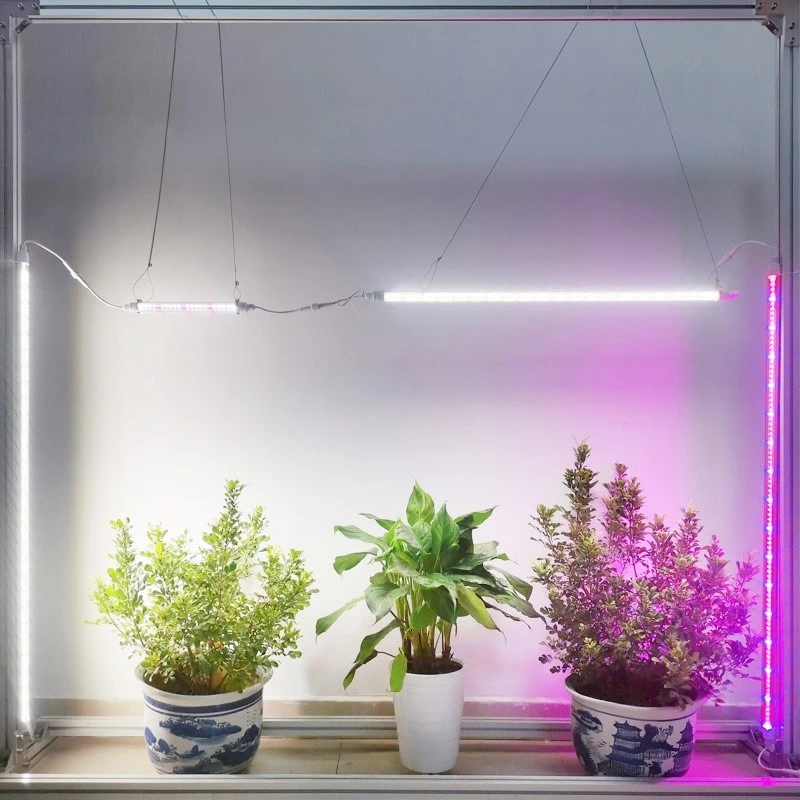
For those involved in controlled-environment agriculture or home gardening, the question of whether year-round cultivation is feasible is unavoidable-especially in regions with unstable lighting conditions or in indoor spaces lacking natural light entirely (such as basements, container farms, or converted warehouse grow rooms). This article examines-from a product perspective-whether LED grow lights can truly support year-round indoor cultivation and highlights key details to consider during actual use.
Why lighting is the core variable in year-round cultivation
Plant growth relies on photosynthesis, a process that demands specific light intensity, spectral composition, and duration. Natural light fluctuates across the seasons in all three of these aspects; in high-latitude regions, for instance, winter daylight hours may be less than half of those in summer. Traditional greenhouses relying on natural light often see a significant drop in winter yields, which is a primary reason growers seek to introduce artificial lighting.
How LED grow lights replace seasonal natural light
The core function of LED grow lights is to transform lighting from a variable dependent on the elements into a controllable parameter. With a stable power supply, indoor environments can maintain the precise light levels plants require year-round, regardless of season, weather, or latitude. This is why cultivation models that rely entirely on artificial light-such as vertical farms and plant factories-design their entire systems around LED light sources.
Tunable spectrums to match different growth stages
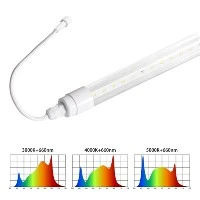
Compared to traditional HPS or fluorescent lamps, a distinct advantage of LEDs is their ability to deliver a highly precise light spectrum. Blue-rich light during the seedling stage fosters robust growth; increasing the red light ratio during flowering and fruiting promotes bud differentiation; and full-spectrum light meets the general needs of most growth stages. This tunability allows a single lighting system to cover the crop's entire lifecycle-from seed to harvest-without the need for frequent equipment changes.
Stable output: Eliminating seasonal fluctuations in natural light
Beyond seasonal intensity changes, natural light is subject to short-term fluctuations caused by overcast skies or smog-uncertainties that can disrupt precision cultivation. By combining LED light sources with timers and dimming systems, growers can standardize daily light duration and intensity. This minimizes growth inconsistencies caused by uncontrollable environmental factors-a crucial advantage for commercial operations aiming for stable yields and consistent quality.
Energy Consumption and Heat Dissipation in Long-Term Operation
Year-round operation implies significantly longer usage hours compared to standard household lighting, raising two unavoidable issues: energy costs and heat dissipation. Higher luminous efficacy (specifically PPF/W) means lower power consumption for the same output; conversely, fixtures with poor thermal design are prone to accelerated light degradation and a shortened lifespan during prolonged use. Therefore, when selecting a light, one should look beyond wattage and price to consider actual efficacy data and the heat dissipation structure.
Key Parameters for Selection
For year-round cultivation, we recommend focusing on the following: the uniformity of PPFD (Photosynthetic Photon Flux Density) coverage across the growing area; whether the spectrum is adjustable or matched to the target crop; the waterproof and dustproof ratings (given the typically high humidity of indoor growing environments); and the heat dissipation method and overall fixture lifespan. These factors largely determine whether the light can reliably support year-round cultivation needs over the long term.
Conclusion
LED grow lights are indeed capable of supporting indoor year-round cultivation. The key lies in transforming lighting from a "seasonal variable" into a "controllable parameter"-intensity, spectrum, and duration can all be tailored to crop needs, eliminating dependence on natural seasonal light fluctuations. However, achieving stable year-round yields requires a balance of high efficacy, effective heat dissipation, and spectral suitability; it is worth taking the time to compare these aspects when making a selection.
If you are selecting LED grow lights for an indoor cultivation project or wish to learn which spectral solutions suit specific crop growth stages, please contact our technical team. We can provide tailored lighting recommendations and product solutions based on your growing area, crop type, and budget.
https://www.benweilight.com/professional-lighting/led-grow-light/led-grow-light-for-plants-ip67.html